Read Our Pharmacy Prescription Policy Update!


How to Help Your Pet Recover Comfortably After Orthopedic Surgery
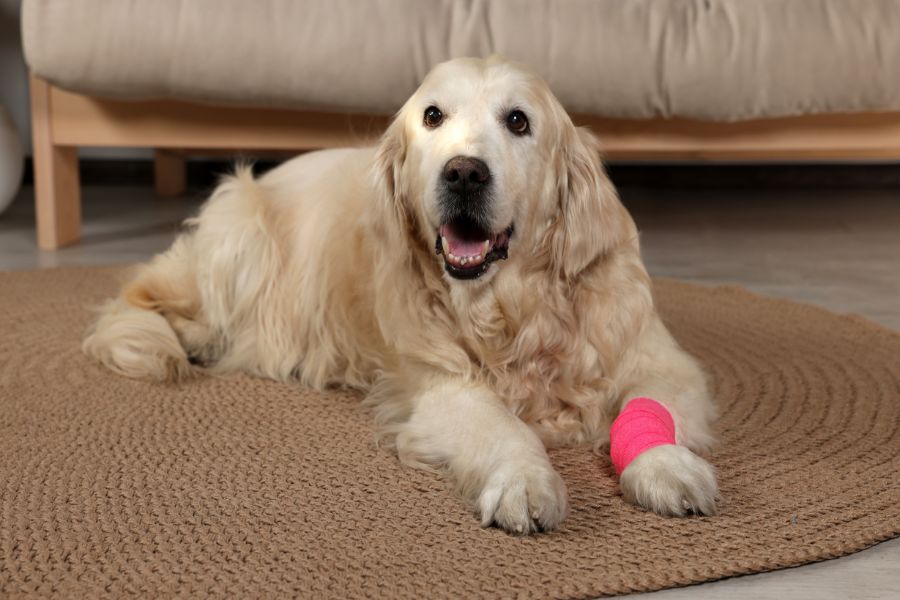
Your pet just had orthopedic surgery, and now the hardest part begins at home. Pet orthopedic surgery recovery takes patience, consistency, and the right guidance. In Walnut Creek, CA, we see many active dogs and cats who need joint or bone procedures, especially as they age or after an injury. The weeks following surgery are critical. What you do at home directly affects how well your pet heals. Too much activity too soon can undo the surgeon’s work. Too little monitoring can allow complications to go unnoticed. This guide walks you through exactly what to expect, what to do, and when to call your vet. Whether your pet had a torn ligament repair, a fracture fix, or a hip procedure, these steps will help them feel safe and heal well.
What Orthopedic Surgery Means for Your Pet’s Body
Orthopedic surgery addresses bones, joints, ligaments, and tendons. Common procedures include TPLO surgery for torn cruciate ligaments, fracture repairs, femoral head osteotomies, and luxating patella corrections. These are major procedures. The body needs significant time and rest to rebuild tissue and stabilize the surgical site.
An estimated 1 in 5 dogs will develop some form of musculoskeletal condition in their lifetime. Many of those dogs will require surgical intervention at some point. Recovery from orthopedic procedures is not just about physical healing. It also involves managing discomfort, preventing infection, and restoring normal movement through controlled rehabilitation.
Pet owners are often surprised by how restricted their dog’s activity needs to be after surgery. It can feel counterintuitive to limit a dog who seems eager to run and play. But that eagerness can be deceiving, especially in the first two weeks.
How to Manage Your Pet’s Pain and Comfort at Home
Dog pain management after surgery starts with following your vet’s medication plan precisely. Your veterinarian will send your pet home with a specific pain management protocol. This may include non-steroidal anti-inflammatory medications, nerve pain medications, or other prescribed options. Never adjust doses or stop medications early without consulting your vet first.
Never give your pet human pain medications such as ibuprofen or acetaminophen. These are toxic to dogs and cats. Your vet will determine the correct medication and dosage based on your pet’s weight, age, and health history.
Watch for signs that pain is not well-controlled. These include restlessness, whimpering, refusing to bear weight, or loss of appetite. Pet owners often tell us that subtle changes in behavior, like a dog who stops wagging or a cat who hides more than usual, are often the first signs that something needs attention. Contact your vet right away if you notice any of these changes.
Signs your pet may need a pain medication adjustment:
- Whimpering or vocalizing when touched near the surgical site
- Refusal to lie down or constant position changes
- Not eating or drinking for more than 12 hours after returning home
- Excessive panting unrelated to heat or exertion
- Visible swelling, heat, or discharge at the incision
Setting Up a Safe Recovery Space
Post-surgery care at home begins with the environment. Your pet needs a clean, quiet, and confined space to rest and heal. A small room or a comfortable crate works well. Keep the space away from stairs, slippery floors, and other pets who may encourage rough play.
Use non-slip mats or rugs on hardwood or tile floors. A supportive orthopedic pet bed can reduce pressure on healing joints and improve comfort. Keep food, water, and a litter box within easy reach, so your pet does not have to navigate far.
Limit access to furniture. Even small jumps on and off a couch can stress surgical repairs. Use a ramp if your pet is accustomed to sleeping on a bed with you, and only allow this with your vet’s explicit approval.
Leash walks should be the only outdoor time allowed in the early recovery phase. Keep them short, controlled, and purposeful. Eliminate all off-leash time until your veterinarian clears your pet for expanded activity.
What to Watch for During Pet Recovery After Bone Surgery
Pet recovery after bone surgery involves close daily monitoring. Check the incision site every morning and evening. A healing wound should look clean and show gradual closure over time. Some mild swelling and bruising in the first 48 to 72 hours is normal. What is not normal includes increased swelling, a bad odor, discharge that is yellow or green, or a wound that appears to be opening.
The AVMA recommends that pet owners follow all post-operative instructions carefully and contact their veterinarian immediately if they notice any signs of complications. Do not wait to see if something resolves on its own.
One of the most common questions we get from pet owners is whether the pet is limping too much during recovery. Some limping is expected after orthopedic surgery, especially in the first few weeks. However, a sudden increase in lameness or refusal to use a limb that was previously improving should prompt a call to your vet right away.
Prevent licking and chewing at the surgical site. Use the e-collar your vet sends home with your pet and keep it on at all times, including during sleep. A pet can damage a healing incision in seconds, and this is one of the most preventable complications we see.
Vet Recommended Recovery Tips for Long-Term Healing
Following vet-recommended recovery tips beyond the first two weeks is just as important as early care. Many pet owners assume the hard part is over once the incision closes. But internal healing, including bone remodeling and ligament strength, takes weeks to months longer.
Physical rehabilitation can significantly improve long-term outcomes after orthopedic surgery. Ask your veterinarian whether formal rehabilitation therapy is appropriate for your pet. Controlled exercise programs, hydrotherapy, and therapeutic massage can all support stronger recovery when introduced at the right time.
We frequently remind our clients in Walnut Creek that consistency is the most important factor in a successful outcome. Stick to the recheck schedule your vet provides. Even when your pet seems fully healed, follow-up X-rays and exams allow the veterinary team to confirm internal healing before returning to full activity.
At Animal Care Hospital of Walnut Creek, our team supports you and your pet at every stage of recovery, from the surgical procedure through full rehabilitation.
Conclusion
Helping your pet recover after orthopedic surgery is one of the most important things you can do for their long-term health and mobility. Pet orthopedic surgery recovery is a process that requires daily attention, careful monitoring, and close communication with your veterinary team. The effort you put in during the recovery period directly shapes how your pet moves and feels for the rest of their life. Keep activity restricted, follow all medication instructions, monitor the incision daily, and never hesitate to call your vet with questions. Your pet cannot tell you when something is wrong, but you can learn to read the signs. Trust your instincts, follow your vet’s guidance, and give your pet the time and care they deserve. Book an appointment today.
Frequently Asked Questions
How long does it take for a dog to recover from orthopedic surgery?
Ans: Recovery timelines vary depending on the procedure and the individual pet. Most dogs require 8 to 16 weeks of restricted activity before returning to normal exercise. Your veterinarian will use follow-up exams and imaging to confirm when full activity is safe.
Can my pet sleep in my bed during orthopedic surgery recovery?
Ans: Jumping on and off furniture puts stress on healing bones and joints. Most veterinarians recommend keeping your pet on the floor during recovery. If your pet normally sleeps with you, ask your vet when and how to safely reintroduce this with a ramp or other support.
What are the signs of infection after orthopedic surgery in pets?
Ans: Signs of infection include swelling that increases after the first few days, warmth around the incision, yellow or green discharge, a foul odor, or a wound that appears to be reopening. Contact your veterinarian immediately if you notice any of these signs.
Should I let my pet lick the surgical site?
Ans: No. Licking introduces bacteria and can quickly damage a healing incision. Keep the e-collar on at all times, even during sleep. If your pet manages to get the collar off, contact your vet for a better-fitting option.
When can my dog go back to walking normally after orthopedic surgery?
Ans: Most dogs begin bearing some weight on the affected limb within the first few weeks, but normal walking and activity are not usually cleared until 8 to 16 weeks post-surgery. Your veterinarian will evaluate your pet’s progress at scheduled rechecks and advise on safe activity levels.