Read Our Pharmacy Prescription Policy Update!


Perfect Daily Routine for Your Pet’s Recovery
Neutering is a significant milestone in your pet’s life. Whether it’s a cat or a dog, proper post-operative care ensures a smoother, quicker recovery and reduces complications. But once the procedure is over, the real work begins—setting up a consistent, healing-focused daily routine.
With the right steps and structure, you can help your furry companion bounce back to full health comfortably and confidently.
The First 24 Hours: Rest is Best
Immediately after surgery, your pet may seem groggy or disoriented. That’s completely normal. Anesthesia takes time to wear off, so ensure a quiet, cozy space away from other pets and children. Limit movement as much as possible. This is not the time for walks or playtime.
Daily Tip:
Keep lights dim, voices soft, and activity levels low. Offer small amounts of water and food based on your vet’s instructions. Most pets regain their appetite within 24 hours.
Day 2–3: Establishing the Healing Routine
Once your pet has rested, it’s time to build structure. Begin with short, supervised bathroom breaks. Avoid stairs, jumping, or any rough movement. Gentle leash walks for potty breaks are enough.
Morning:
- Check the incision site for swelling, redness, or discharge.
- Offer a small portion of food and fresh water.
- Give any prescribed medication exactly as instructed.
Afternoon:
- Calm interaction or quiet time with you can ease anxiety.
- Monitor their energy. If they seem restless, provide a soft chew toy—no roughhousing!
Evening:
- Repeat the incision check.
- Maintain a predictable feeding schedule.
- Guide them to bed early to promote rest.
Week 1: The Golden Window of Recovery
This week is critical. Pets often feel better and become more active—don’t let that fool you. Internal healing takes longer than visible recovery.
Activity Control:
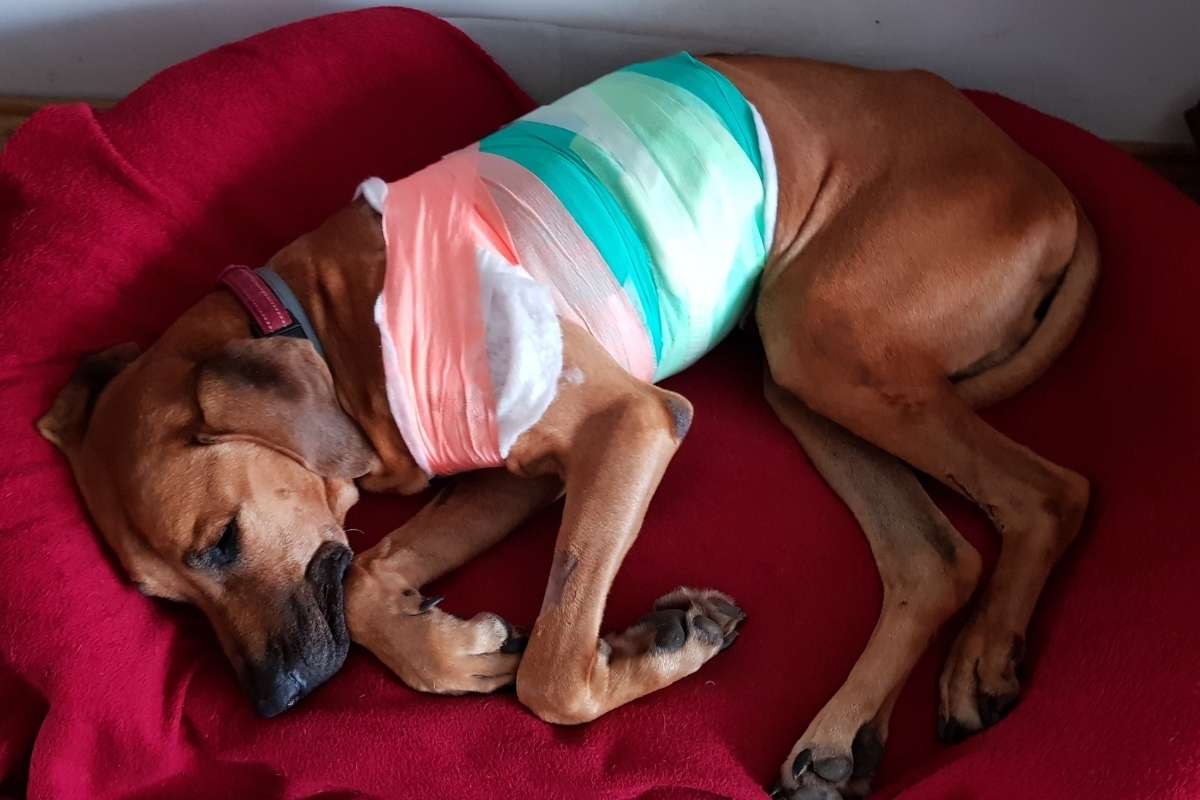
Keep your pet in a crate or a small room when unattended. Use an Elizabethan collar (E-collar) or recovery suit to prevent licking or biting at the incision. It may seem uncomfortable, but it’s essential.
Daily Walks:
Limit walks to 5–10 minutes on a leash. Avoid dog parks or busy streets. Always supervise them outdoors to prevent sudden running or jumping.
Nutrition and Hydration: Fueling Recovery Right
Feeding your pet the right way speeds up healing. Stick to their regular diet unless your vet suggests otherwise. Don’t overfeed—reduced activity means fewer calories are needed.
Pro Tip:
Elevate their bowl slightly to reduce neck strain, especially in larger dogs. Keep clean, fresh water accessible at all times. Hydration helps with tissue repair and overall wellness.
Emotional Care: Calm Hearts Heal Faster
Your pet might feel confused or anxious. Maintain a calm atmosphere. Your presence matters—sit nearby, speak softly, and reward calm behavior.
Helpful Routine Addition:
Set aside 10–15 minutes a day just for bonding. This could be brushing, gentle petting, or reading aloud near them. Routine affection fosters emotional well-being and trust.
Warning Signs to Watch For
While most pets recover smoothly, complications can arise. Contact your veterinarian or visit your local animal hospital in Walnut Creek, trust if you notice:
- Persistent vomiting or diarrhea
- Excessive swelling, redness, or pus
- Unwillingness to eat for more than 24 hours
- Lethargy beyond 48 hours post-op
- Bleeding from the incision
Remember, timely intervention can prevent minor issues from becoming serious.
Transitioning Back to Normal
By the 10–14 day mark, most pets begin resuming normal activities. But don’t rush. Confirm with your vet before removing any activity restrictions. Once stitches (if any) are removed and the incision is fully healed, you can gradually reintroduce playtime and longer walks.
At this point, your pet will feel more like their old self, but with one big difference: they’ve taken a step toward a healthier, longer life. Spay and neuter surgeries are essential not just for population control but also for reducing the risk of certain cancers and behavioral issues.
Routine Recap: Your Daily Post-Neuter Checklist
To make things easier, here’s a quick routine summary you can follow daily:
✅ Morning
- Check the incision site
- Offer food and water
- Administer medications
- Short potty break
✅ Afternoon
- Monitor energy and behavior
- Calm interaction time
- Hydration check
✅ Evening
- Final incision check
- Quietly winding down
- Safe, cozy sleeping space
Post-neuter care is not just about protecting stitches—it’s about nurturing your pet’s whole well-being. By sticking to a gentle but structured routine, you’re laying the foundation for a safe recovery and a stronger bond.
If you ever feel unsure, don’t hesitate to consult a clinic that specializes in spay and neuter surgeries, Walnut Creek pet parents’ trust. Your veterinarian will always be your best partner in care.
With love, patience, and a little structure, your pet will be back on their paws in no time!