Read Our Pharmacy Prescription Policy Update!


How Long Should I Keep My Pet Quiet After Surgery?
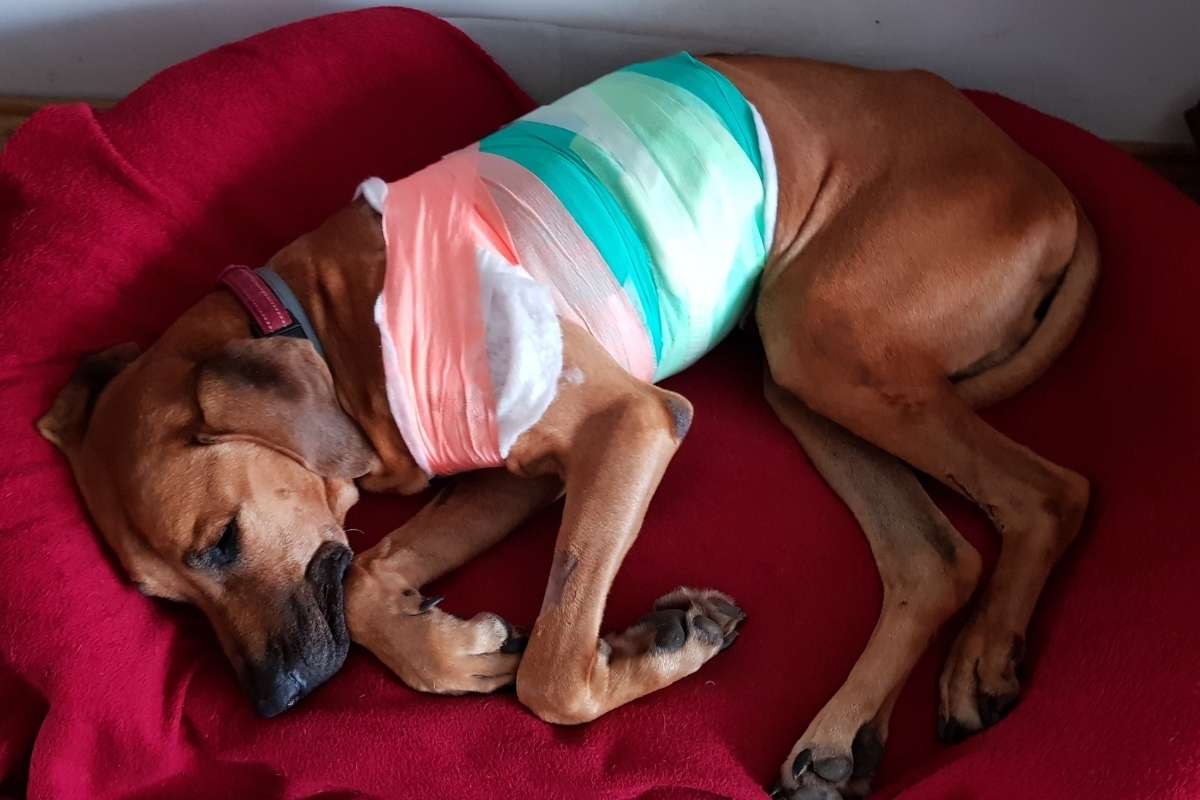
Watching your pet recover after surgery can feel stressful. You want them comfortable, happy, and back to normal as quickly as possible. However, rest is one of the most important parts of healing. Many pet owners worry they are either restricting activity too much or not enough.
So, how long should you actually keep your pet quiet after surgery?
The honest answer: longer than your pet thinks they need. Most pets feel better before their bodies have truly healed. Dogs especially want to run, jump, and play within days, while cats often act completely normal within 24–48 hours. Unfortunately, internal tissues heal far more slowly than behavior suggests.
Understanding proper recovery time prevents complications, reduces pain, and helps your pet heal safely. This guide explains exactly what to expect and how to manage activity after surgery. If you live near our community, this information is especially helpful for pet families at Animal Care Hospital of Walnut Creek, serving Walnut Creek, CA.
Why Quiet Rest Is So Important After Surgery
After surgery, your pet’s body immediately begins repairing tissue. The skin incision you see is only part of the healing process. Underneath the surface, muscles, fat layers, and sometimes organs are also recovering.
If your pet becomes too active too soon, several problems can occur:
- Internal bleeding
- Swelling or fluid buildup
- Torn sutures or staples
- Infection
- Reopened incisions
- Delayed healing
Even simple activities such as jumping off the couch can place significant pressure on surgical sites. Therefore, controlled rest is not optional — it is medical treatment.
Typical Recovery Timeline
While each procedure differs, most pets follow a general healing pattern.
First 24–72 Hours
This is the most critical period.
Your pet may:
- Feel groggy
- Sleep more than usual
- Eat less
- Move slowly
During this time, keep activity extremely limited. Take dogs outside only for bathroom breaks on a leash. Keep cats in a quiet room or a large crate.
Days 4–10
Your pet will likely feel much better. In fact, this is when owners often become concerned because the pet wants to run and play.
However, this is also when sutures are most likely to tear.
You should still:
- Prevent running
- Avoid jumping
- Stop rough play
- Use a cone or recovery collar if needed
Days 10–14
Most external incisions close around this time. Your veterinarian will usually recheck the site and may remove sutures or staples.
Even then, gradual activity is necessary. Internal healing is still happening.
Weeks 2–6
Major veterinary surgeries (orthopedic, abdominal, or ligament repair) require strict rest for several weeks. Your veterinarian will slowly allow controlled activity, such as short leash walks.
How to Keep a Pet Quiet (The Hard Part)
Keeping an energetic pet calm is often the biggest challenge. Fortunately, several strategies help.
1. Use Crate Rest
Crate rest is the safest option for many dogs. A properly sized crate allows them to stand and turn around but not jump or pace.
For cats, a large kennel or quiet room works best.
2. Leash at All Times
Even indoors, keep dogs on a leash during early recovery. This prevents sudden sprints toward doors, squirrels, or toys.
3. Block Furniture
Jumping is the number one cause of surgical complications. Block access to:
- Beds
- Couches
- Stairs
Pet gates are extremely helpful.
4. Provide Mental Stimulation
A bored pet becomes an active pet. Instead of physical exercise, provide mental activity:
- Food puzzle toys
- Frozen lick mats
- Snuffle mats
- Gentle training games
Mental stimulation reduces frustration and helps keep pets calm.
Warning Signs Your Pet Is Doing Too Much
Even careful owners may accidentally allow too much activity. Watch closely for these warning signs:
- Redness around the incision
- Swelling
- Bleeding or discharge
- Missing sutures
- Excessive licking
- Sudden lethargy
- Pain when touched
If you notice any of these, contact your veterinarian immediately. Early treatment prevents serious complications.
Special Considerations for Different Surgeries
Not all surgeries require the same recovery time.
Spay/Neuter:
Usually, 10–14 days of restricted activity.
Dental Surgery:
Normal activity may return quickly, but avoid hard toys and chewing.
Orthopedic Surgery (ACL, fracture repair):
Strict rest for 6–8 weeks or longer.
Abdominal Surgery:
Minimum 2–3 weeks of very limited activity.
Always follow your veterinarian’s specific instructions rather than comparing with another pet.
Should I Remove the Cone?
Many pet owners feel bad about the recovery cones. However, licking is one of the most dangerous behaviors after surgery. A single night without protection can undo an entire procedure.
Keep the cone on unless your veterinarian instructs otherwise. Alternatives such as recovery suits or inflatable collars may work for some pets, but supervision remains essential.
Gradually Returning to Normal Activity
After your veterinarian clears your pet:
- Start with short leash walks.
- Slowly increase duration.
- Introduce gentle play.
- Resume full activity only when advised.
Do not allow sudden full exercise. Gradual movement strengthens healing tissue safely.
Recovery after surgery requires patience, consistency, and supervision. Although your pet may act normal within a few days, true healing takes weeks. Restricting activity now prevents pain, complications, and additional procedures later.
If you’re in Walnut Creek, CA, and searching for a trusted veterinarian nearby, schedule a visit with Animal Care Hospital of Walnut Creek, so our team can guide your pet through a safe and comfortable recovery.
FAQs
Q1. Can I walk my dog after surgery?
Ans. Yes, but only short leash walks for bathroom breaks unless your veterinarian approves longer activity.
Q2. How long should my dog wear a cone?
Ans. Usually 10–14 days, or until the incision fully heals and sutures are removed.
Q3. My cat seems fine. Can she play?
Ans. No. Cats hide pain very well. Even if she feels normal, internal healing is still happening.
Q4. What if my pet licks the incision once?
Ans. Monitor the area closely. However, repeated licking can cause infection or reopen stitches, so prevent it immediately.
Q5. Is sleeping more after surgery normal?
Ans. Yes. Anesthesia, medication, and healing all increase sleep needs during recovery.
Q6. When can my pet jump and run again?
Ans. Only after your veterinarian confirms healing is complete. This usually occurs after the recheck appointment.