Read Our Pharmacy Prescription Policy Update!


TPLO vs. TTA vs. Traditional ACL Surgery for Dogs: Complete Comparison Guide
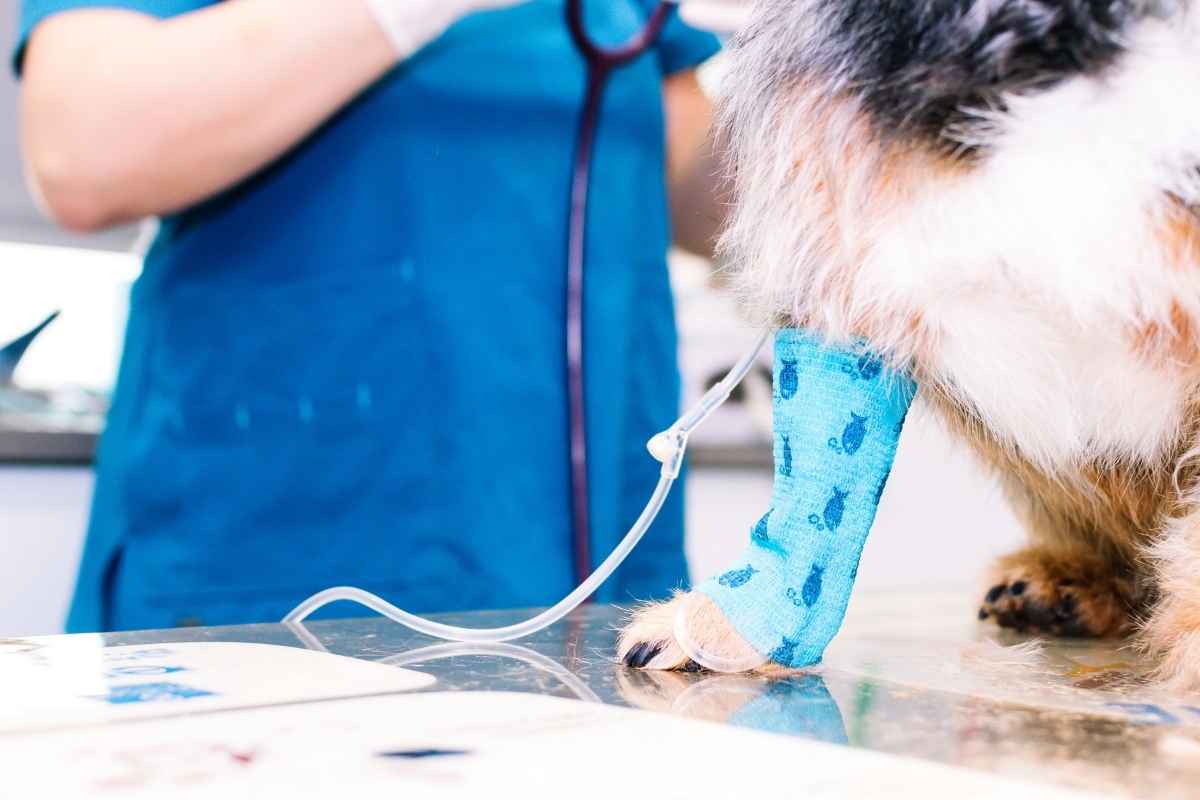
When your dog has an ACL tear, it’s essential to select the appropriate surgery for a smooth recovery. There are three standard options: TPLO, TTA, and traditional ACL surgery. Each has its own advantages, risks, and recovery periods. This guide will help you understand what each procedure entails so you can make a well-informed decision about how best to care for your pet.
Understanding ACL Surgery Options for Dogs
A torn ACL, or cranial cruciate ligament injury, is a common orthopedic problem in dogs. There are three main surgical options to treat this condition: TPLO (Tibial Plateau Leveling Osteotomy), TTA (Tibial Tuberosity Advancement), and traditional ACL surgery, such as the lateral suture technique. Each approach has its own benefits and considerations. The goal of any of these procedures is to restore your dog’s mobility, reduce pain, and promote a smooth, full recovery. Let’s look at each method to help determine which might be the best fit for your dog’s specific needs.
TPLO Surgery: A Popular Option
TPLO surgery is a standard procedure for treating ACL tears in dogs, especially active or larger breeds. It involves cutting and repositioning the tibia to alter the joint’s angle, helping to restore stability and function. This helps stabilize the knee without relying on the cruciate ligament. Here’s a breakdown of TPLO:
- Procedure: The tibia is surgically cut and rotated to level the tibial plateau, which stabilizes the joint during movement.
- Recovery: Recovery usually lasts 8–12 weeks, and most dogs can resume normal activities within 6 months. Physical therapy is frequently advised to facilitate faster healing.
- Pros: TPLO is suitable for larger, more active dogs as it offers excellent stability. It typically results in faster recovery and improved long-term results for many dogs.
- Cons: TPLO is a more invasive, costly procedure that requires specialized training and significant bone healing.
TTA Surgery: A Growing Alternative
TTA is a surgical option for ACL tears involving cutting and advancing the tibial tuberosity to improve knee stability. It’s gaining popularity, especially among medium- to large-breed dogs.
- Procedure: The tibial tuberosity is repositioned to change the mechanics of the knee, reducing the strain on the torn ligament.
- Recovery: TTA typically takes 8–12 weeks, and physical therapy can help speed recovery.
- Pros: TTA can be a good option for dogs with moderate to severe ACL tears. It provides stability and support for the joint, often resulting in less joint wear over time. The recovery time is generally quicker than TPLO.
- Cons: The surgery requires a more extensive incision, and there is a risk of complications such as infection or poor bone healing. TTA is not always suitable for very large or highly active dogs.
TTA is an excellent option for dogs that need a less invasive method than TPLO but still require solid knee stability after surgery.
Traditional ACL Surgery: Lateral Suture Technique
The lateral suture technique is a traditional method for repairing torn anterior cruciate ligaments (ACLs) in dogs. It involves wrapping a synthetic thread around the knee to help stabilize the joint and limit excessive movement. This approach can work well for some dogs, but it is usually not suitable for larger, more active animals.
- Procedure: A suture is placed around the knee joint to mimic the function of the ACL, stabilizing the joint.
- Recovery: Recovery typically takes 8–12 weeks. Post-surgical rehabilitation, including restricted activity and gradual exercise, is vital to avoid re-injury.
- Pros: The lateral suture technique is less expensive than TPLO or TTA and has a more straightforward recovery process. It is a good option for smaller dogs or less active pets.
- Cons: This method is less effective for larger dogs or very active dogs. Over time, the suture may wear out, leading to instability and the potential for re-injury.
While traditional ACL surgery is an option for some pets, it’s generally better suited to smaller, less active dogs.
Which Surgery Is Right for Your Dog?
Choosing the best surgical option for your dog depends on several factors, including their size, activity level, and overall health. Here’s how you can decide:
- Large or active dogs: TPLO is often the best choice because it provides the most stability and a quick recovery time.
- Medium-sized dogs: TTA is a great middle ground, offering solid stability with a potentially quicker recovery than TPLO.
- Smaller or less active dogs: Traditional ACL surgery may be sufficient for smaller dogs or those who are less active and don’t require high levels of knee stability post-surgery.
Make the Right Decision for Your Pet
Choosing between TPLO, TTA, and traditional ACL surgery for your dog is an important decision that should be made with your veterinarian’s guidance. All of these surgical options have their own advantages and disadvantages, but their main goal is to get your pet back on its feet and reduce its pain. Depending on your dog’s size, activity level, and recovery needs, you can select the best option to keep your dog comfortable and support long-term health.
If you are considering pet surgery for an ACL injury, Animal Care Hospital of Walnut Creek is conveniently situated in Walnut Creek, CA, to help the residents and those from nearby areas through the procedure and provide your pet with the best treatment available. We will also guide you on the most appropriate surgical procedure to ensure the pet has a successful and prompt recovery.
Schedule your appointment at Animal Care Hospital of Walnut Creek today to discuss the best ACL surgery option for your dog and receive expert guidance for a smooth, successful recovery.
FAQs
Q1. Which surgery is best for active dogs?
Ans. For active or large dogs, TPLO surgery is often the best choice due to its stability and quicker recovery time compared to TTA and traditional methods.
Q2. What are the recovery times for TPLO, TTA, and traditional ACL surgery?
Ans. Recovery for TPLO and TTA typically takes 8–12 weeks, while traditional ACL surgery may also take 8–12 weeks, but generally involves a slower recovery for more active dogs.
Q3. Is TPLO surgery more expensive than TTA?
Ans. Yes, TPLO surgery tends to be more expensive due to its complexity and specialized equipment requirements, but it offers long-term benefits, especially for larger dogs.
Q4. Can my dog be fully active after ACL surgery?
Ans. With proper recovery, most dogs can return to full activity. Physical therapy and gradual reintroduction to exercise help ensure the knee remains stable.
Q5. What are the common complications after ACL surgery?
Ans. Common complications include infection, swelling, or poor bone healing. These can typically be managed with prompt veterinary care.