Read Our Pharmacy Prescription Policy Update!


How Dental Care Keeps Your Pet Healthy and Happy
As loving pet owners, we strive to provide the best possible care for our furry, feathered, or scaled companions. We ensure they have nutritious food, plenty of exercise, regular vet check-ups, and an abundance of love. But how often do we consider their dental health? Just as in humans, proper dental care is crucial to a pet’s overall well-being, directly affecting their health, happiness, and even their lifespan.
The Silent Threat: Periodontal Disease
One of the most common health issues affecting pets today is periodontal disease. This insidious condition starts with plaque and tartar buildup on the teeth. Plaque, a sticky film of bacteria, hardens into tartar if not removed. This tartar then irritates the gums, leading to gingivitis – an inflammation of the gums. If left untreated, gingivitis progresses to periodontitis, where the infection spreads below the gum line, attacking the supporting structures of the teeth, including the bone.
The frightening reality is that by the age of three, most dogs and cats show some signs of periodontal disease. What makes it a silent threat is that pets often don’t display obvious signs of pain until the disease is quite advanced. This means your beloved companion could be suffering in silence.
Beyond the Mouth: Systemic Health Impacts
The consequences of poor dental hygiene extend far beyond just bad breath and sore gums. The bacteria present in a pet’s mouth can enter the bloodstream through inflamed gum tissue. Once in the bloodstream, these bacteria can travel to vital organs, including the heart, kidneys, and liver, potentially causing severe and even life-threatening conditions.
For example, bacterial endocarditis, an infection of the heart valves, can be directly linked to oral bacteria. Kidney and liver disease can also be exacerbated by chronic infections originating in the mouth. This systemic impact underscores why dental health isn’t just about a pretty smile; it’s about safeguarding your pet’s entire internal system.
Recognizing the Signs of Dental Problems
Being vigilant about your pet’s oral health is crucial. While professional veterinary dental check-ups are essential, you can also look for warning signs at home:
- Bad Breath (Halitosis): This is often the first and most obvious sign. While “doggy breath” is common, an unusually foul odor could indicate infection.
- Difficulty Eating: Your pet might shy away from hard food, drop food from their mouth, or show signs of pain when chewing.
- Excessive Drooling: Increased salivation, sometimes tinged with blood, can be a symptom.
- Red, Swollen, or Bleeding Gums: These are clear indicators of inflammation and infection.
- Loose or Missing Teeth: In advanced stages of periodontal disease, teeth can become unstable or fall out.
- Pawing at the Mouth or Face: This could be a sign of discomfort or pain.
- Changes in Behavior: Your pet might become lethargic, irritable, or less playful due to chronic pain.
Proactive Steps for Optimal Oral Health
The good news is that many dental problems are preventable or manageable with proactive care. Here’s how you can keep your pet’s pearly whites healthy:
- Regular Veterinary Dental Check-ups: This is the cornerstone of good dental health. Your veterinarian can assess your pet’s oral cavity, recommend professional cleanings, and address any existing issues. If you’re in the area, a good pet dentist in Walnut Creek can provide comprehensive care.
- Professional Dental Cleanings: Just like humans need their teeth cleaned by a hygienist, pets benefit from professional cleanings under anesthesia. This allows the vet to thoroughly clean below the gumline, where most periodontal disease originates, and perform necessary extractions or other treatments.
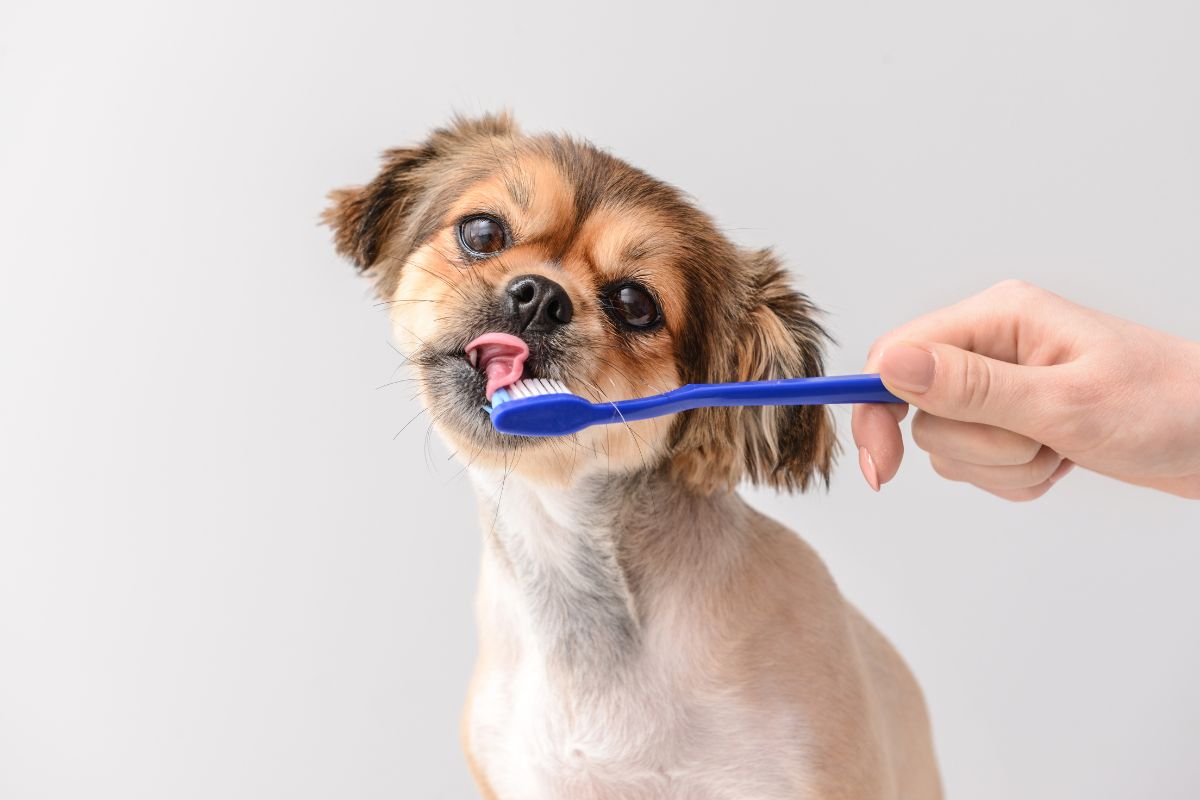
- At-Home Dental Care: Brushing your pet’s teeth daily is the gold standard. Use a pet-specific toothbrush and toothpaste (never human toothpaste, as it contains ingredients toxic to pets). Start slowly and make it a positive experience with rewards.
- Dental Chews and Diets: There are various dental chews and prescription diets specifically formulated to help reduce plaque and tartar buildup. Look for products approved by organizations like the Veterinary Oral Health Council (VOHC).
- Toys Designed for Dental Health: Certain chew toys can help mechanically remove some plaque as your pet chews on them.
A Healthy Mouth, a Happy Pet
Investing in your pet’s dental health is an investment in their overall well-being. A healthy mouth translates to a healthy body, preventing systemic infections and allowing your pet to eat comfortably and live a pain-free life. By understanding the importance of dental care, recognizing the signs of problems, and taking proactive steps, you can ensure your beloved companion enjoys a longer, healthier, and much happier life by your side. If you’re seeking expert care, a good pet dentist in Walnut Creek can provide the specialized attention your furry friend deserves. After all, a bright smile isn’t just for show; it’s a window to a happy and healthy pet.