Read Our Pharmacy Prescription Policy Update!


Dental Radiographs for Pets: Why They Matter for Oral Health
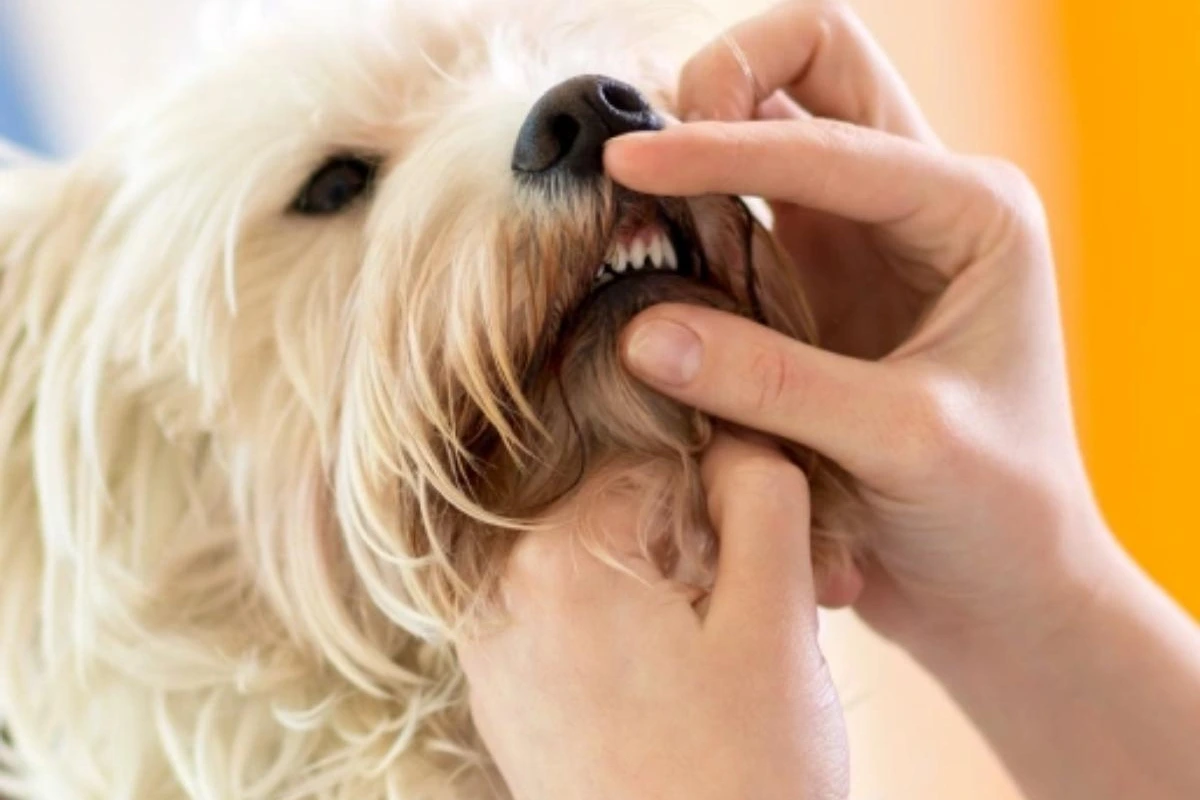
Your pet’s smile may look healthy on the surface, but what’s happening beneath the gums often tells a very different story. Dental disease can progress quietly, causing pain and infection long before visible symptoms appear. That’s why modern diagnostics play such a critical role in protecting your pet’s comfort and long-term health. At Animal Care Hospital of Walnut Creek, families trust advanced tools like dental X-rays to uncover hidden oral issues early. While pets can’t tell us when something hurts, dental radiographs help veterinarians identify problems before they become serious—especially for pet owners in Walnut Creek who want proactive, preventive care. Understanding how these images work empowers you to make informed decisions for your pet’s well-being.
Understanding Dental Radiographs for Pets
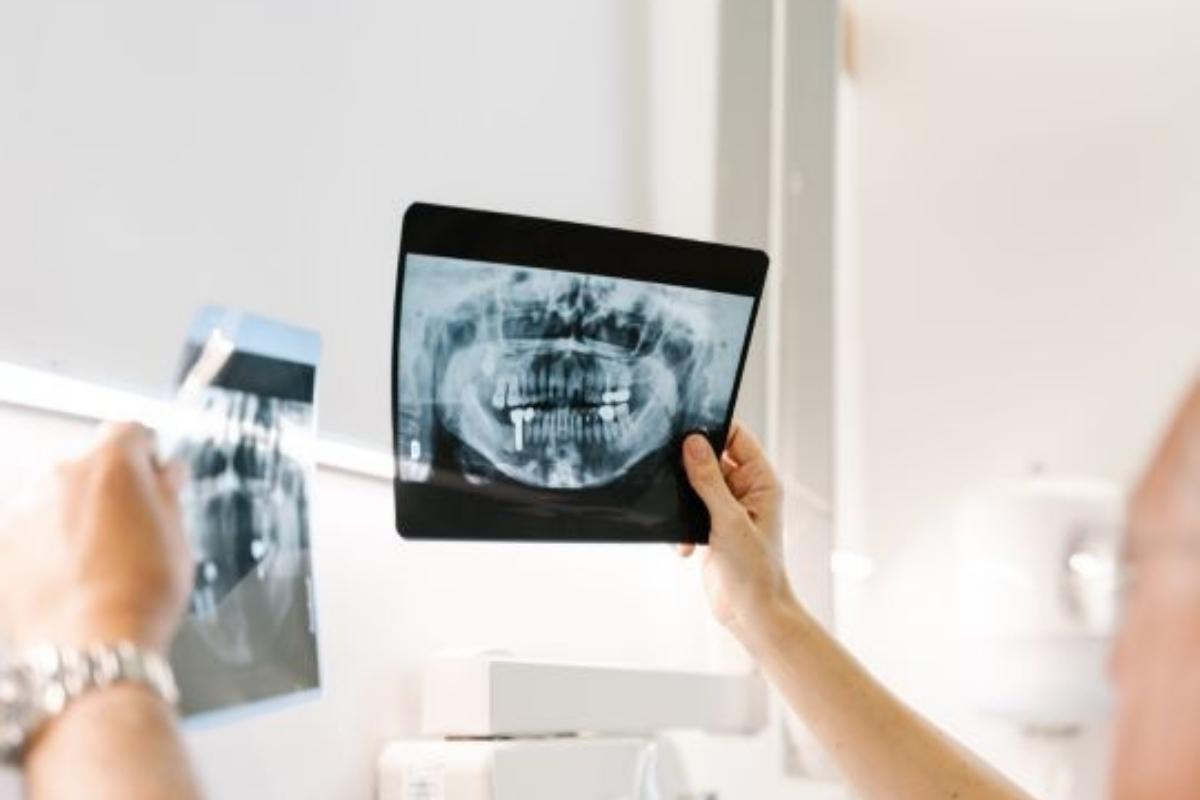
Dental radiographs are specialized X-rays designed to capture detailed images of your pet’s teeth, roots, and jawbone. Unlike visual exams, these images reveal what lies below the gumline—where most dental disease develops.
In fact, nearly 60% of a tooth’s structure is hidden from view. Without radiographs, serious issues like root infections or bone loss can go undetected, even during routine cleanings.
Why Dental Problems Often Go Unnoticed
Pets are experts at hiding pain. By the time they show signs like drooling or difficulty eating, dental disease is often advanced.
Common hidden problems include:
- Tooth root abscesses
- Bone deterioration
- Fractured teeth below the gumline
- Impacted or retained teeth
Because these issues are invisible externally, dental radiographs are essential for early diagnosis and effective treatment planning.
How Dental Radiographs Protect Oral Health
Dental radiographs allow veterinarians to treat the cause of dental disease—not just the symptoms. They provide clarity and precision, ensuring no underlying issue is overlooked.
Benefits include:
- Accurate diagnosis of oral disease
- Targeted treatment recommendations
- Reduced risk of chronic pain or infection
- Better long-term outcomes
When combined with routine cleanings, radiographs significantly elevate the standard of pet dental care.
What Happens During a Dental Radiograph Procedure?
Dental X-rays are performed while your pet is safely under anesthesia. This ensures comfort, accuracy, and minimal stress.
The process typically includes:
- A full oral examination
- Digital dental imaging
- Evaluation of tooth roots and jawbone
- Customized treatment planning
Digital radiographs are fast, low-radiation, and highly detailed, making them safe and effective for pets of all ages.
Which Pets Benefit Most from Dental Radiographs?
While all pets can benefit, dental radiographs are especially important for:
- Senior pets
- Small-breed dogs are prone to dental disease
- Pets with bad breath or missing teeth
- Cats, who often hide oral pain
Early imaging helps prevent unnecessary tooth loss and improves overall veterinary care outcomes.
How Often Are Dental Radiographs Needed?
Most pets benefit from dental radiographs during routine professional cleanings. However, frequency depends on age, breed, and oral health history.
Your veterinarian may recommend more frequent imaging if your pet has:
- Previous dental disease
- Ongoing oral discomfort
- A history of extractions
Why Dental Radiographs Are a Preventive Investment
Ignoring dental health can lead to infections that affect the heart, kidneys, and liver. Dental radiographs help stop disease at its source, saving your pet from pain—and you from costly treatments later.
Proactive diagnostics support not only oral health but also your pet’s overall wellness.
When to Contact a Veterinarian
If you notice any of the following signs, it’s time to seek professional evaluation:
- Persistent bad breath
- Pawing at the mouth
- Decreased appetite
- Facial swelling
Dental radiographs provide clarity when symptoms are subtle or unexplained.
Dental health is about far more than fresh breath—it’s a vital part of your pet’s overall comfort and longevity. Dental radiographs for pets provide invaluable insight into hidden oral issues, allowing early intervention and more effective treatment. By staying proactive, you protect your pet from unnecessary pain and long-term complications. If you’re ready to prioritize your pet’s oral health, schedule your appointment at Animal Care Hospital of Walnut Creek and give your pet the comprehensive dental evaluation they deserve—right here in Walnut Creek.
Frequently Asked Questions:
Q1: Are dental radiographs safe for pets?
Ans: Yes. Digital dental radiographs use minimal radiation and are considered very safe when performed by trained veterinary professionals.
Q2: Can dental disease exist without visible signs?
Ans: Absolutely. Many dental issues develop below the gumline and are only detectable through radiographs.
Q3: Do pets feel pain during dental X-rays?
Ans: No. Radiographs are taken under anesthesia, ensuring your pet is comfortable and stress-free.
Q4: Are dental radiographs necessary for every cleaning?
Ans: While not always required, they are strongly recommended to ensure no hidden disease is present.
Q5: Can dental radiographs prevent tooth extractions?
Ans: In many cases, early detection allows for treatment before extraction becomes necessary.
Q6: How long does the procedure take?
Ans: Dental radiographs are typically completed within minutes as part of a comprehensive dental procedure.