Read Our Pharmacy Prescription Policy Update!


Chew Toys That Actually Protect Your Dog’s Teeth
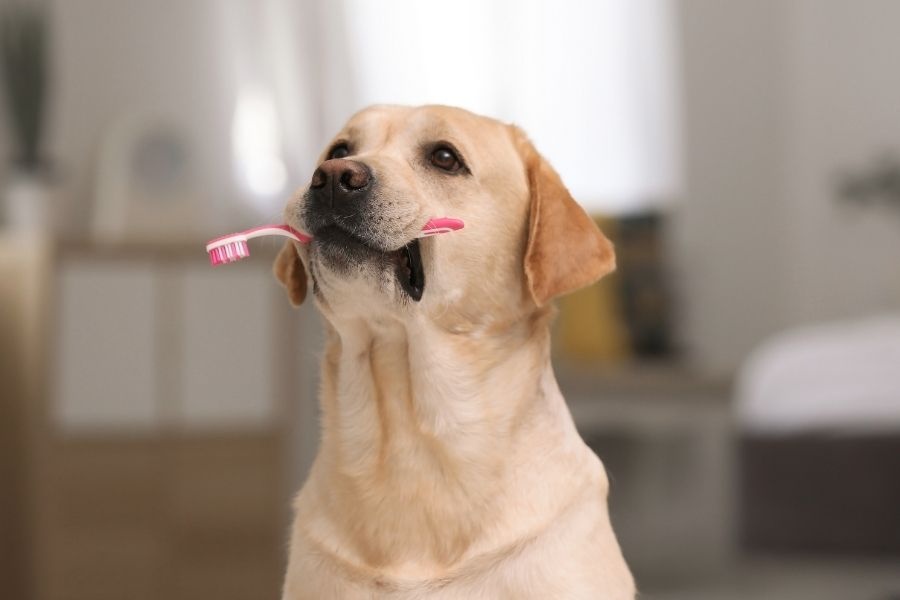
Your dog chews on everything. But not everything your dog chews on is good for their teeth. Many pet owners assume that any chew toy keeps teeth clean. The reality is more specific. The right dog dental chew toys can reduce plaque buildup, massage gum tissue, and slow the progression of dental disease. The wrong ones can crack teeth, cause gum injuries, or do nothing useful at all. Dental disease affects an estimated 80% of dogs by age three, and a lot of that damage starts with habits formed early. Knowing which chews to offer and which to skip is one of the simplest ways to protect your dog’s long-term oral health. This guide covers what to look for, what to avoid, and how to use chew toys as part of a complete dental care routine for your dog.
What Chew Toys Actually Do for Your Dog’s Teeth
Dog dental chew toys work by creating friction against the tooth surface as your dog gnaws. That friction scrapes away soft plaque before it hardens into tartar. Tartar cannot be removed at home once it forms. Only a professional dental cleaning can address it.
The best chews also stimulate saliva production. Saliva contains natural enzymes that slow bacterial growth in the mouth. More saliva means a cleaner oral environment between brushings.
Gum tissue also benefits. Gentle, repetitive chewing increases circulation to the gums, which helps maintain healthy tissue and can reduce mild inflammation. This matters because gum disease is the most common dental condition we see in dogs.
Chews do not replace brushing or professional cleanings. Think of them as daily maintenance that extends the time between professional visits and reduces the rate of buildup.
What Makes a Chew Toy Vet-Approved?
Which chew toys are actually safe and effective for dogs? Look for products that carry the Veterinary Oral Health Council (VOHC) seal. This seal means the product has been tested and shown to reduce plaque or tartar by at least 10%. That may sound modest, but consistent daily use compounds over time.
Beyond the VOHC seal, here are key criteria for the best chews for dog teeth:
- Appropriate hardness. A good rule: if you press your thumbnail into the chew and it does not give slightly, it is too hard. Chews that do not flex at all can fracture teeth, including molars.
- Size match. A chew that is too small becomes a choking hazard. A chew that is too large goes unused. Match the chew to your dog’s weight and jaw size.
- Digestibility. If your dog swallows pieces, those pieces should break down safely. Avoid chews that splinter or form sharp fragments.
- No artificial dyes or excessive additives. Simpler ingredient lists are generally safer for long-term use.
Rubber chew toys with ridged surfaces also qualify as vet-approved dog chews when sized and used correctly. They provide good friction and last much longer than edible chews.
Signs Your Dog May Already Have Dental Problems
Many pet owners tell us their dog’s bad breath is just normal. It is not. Persistent bad breath is one of the most reliable early signs that bacteria are active in your dog’s mouth. By the time it is obvious, dog dental disease is often already progressing.
Watch for these signs of dog tooth decay and gum disease:
- Yellow or brown deposits near the gumline. This is tartar, and it cannot be brushed off.
- Red, swollen, or bleeding gums. Healthy gums are pink and firm.
- Reluctance to chew on one side. Dogs often compensate for a painful tooth by avoiding it.
- Dropping food or chewing slowly. This can signal mouth pain.
- Visible tooth damage. Chips, cracks, or missing teeth need immediate veterinary attention.
In our experience, dogs showing signs of dog tooth decay often have been dealing with discomfort for weeks before their owner notices. Dogs are good at hiding pain. Regular home checks and annual dental exams catch problems early, before they require more involved treatment.
How to Use Chew Toys as Part of a Daily Dental Routine
Dog teeth cleaning at home works best as a layered approach. No single product does everything. But combining a few habits creates a genuinely effective routine.
Here is a practical daily routine to follow:
- Offer a vet-approved chew once daily. Ten to fifteen minutes of active chewing provides meaningful plaque reduction. Longer sessions are fine but monitor for wear on the chew.
- Follow up with a dental wipe or finger brush. These tools reach surfaces a chew toy misses, especially the back molars and along the gumline.
- Brush with pet-safe toothpaste two to three times per week. Dog teeth cleaning at home reaches its highest effectiveness when brushing is part of the routine. Never use human toothpaste, which contains ingredients that are toxic to dogs.
- Inspect the mouth weekly. Look for color changes, swelling, or anything unusual. A one-minute check each week builds a baseline so you notice changes quickly.
- Provide fresh water at all times. Hydration supports saliva production and rinses food particles from the mouth after meals.
Consistency matters more than perfection. Three or four days per week of this routine is far better than doing it intensely for a week and then stopping.
Chews to Avoid and Common Mistakes Pet Owners Make
Not every popular chew belongs in your dog’s routine. In California, we frequently see dogs with cracked teeth traced back to hard chews that seemed tough but harmless. Some of the most common culprits are products sold specifically as dog chews.
Avoid these:
- Antlers, hooves, and hard bones. These are among the top causes of fractured teeth. They do not flex, and a dog chewing hard will eventually crack a tooth.
- Ice cubes as chews. Some owners offer these in warm months. Ice is hard enough to fracture teeth, especially in aggressive chewers.
- Very small chews for large dogs. These become choking hazards quickly and disappear before they do any dental work.
- Products without digestibility data. If the manufacturer does not address what happens when the dog swallows pieces, that is a gap worth taking seriously.
We frequently remind our clients in Walnut Creek that a cracked tooth often requires extraction. Prevention is much simpler and more comfortable for your dog than treatment. If you are unsure whether a specific product is appropriate for your dog’s size, breed, or chewing intensity, the vet team at Animal Care Hospital of Walnut Creek can give you a personalized recommendation based on your dog’s dental history and chewing behavior.
Keeping Your Dog’s Teeth Healthy Long-Term
The right dog dental chew toys make a real difference. They reduce plaque, support gum health, and give your dog a satisfying outlet for natural chewing behavior. But chew toys work best as part of a complete routine that includes home brushing, regular dental checks, and professional cleanings when needed. Dental disease does not develop overnight, and it does not reverse on its own. The habits you build now protect your dog from pain, tooth loss, and the systemic effects of chronic oral infection later. Your dog depends on you to make these choices for them. Animal Care Hospital of Walnut Creek is here to help you build a dental care plan that fits your dog’s needs at every life stage. Book an appointment today.
Frequently Asked Questions
Q: What are the best chew toys for dog dental health?
Ans: Look for products that carry the Veterinary Oral Health Council (VOHC) seal, which confirms they have been tested for plaque or tartar reduction. Rubber chews with ridged surfaces and appropriately sized dental chews are good options for most dogs. Your veterinarian can help you choose based on your dog’s size and chewing habits.
Q: Can chew toys replace brushing my dog’s teeth?
Ans: No. Chew toys reduce plaque buildup but do not reach all tooth surfaces the way brushing does. The most effective approach combines daily or near-daily brushing with regular chew toy use and professional dental cleanings.
Q: How do I know if a chew toy is too hard for my dog?
Ans: Press your thumbnail firmly into the chew. If it does not give slightly, the chew is too hard and could crack your dog’s teeth. Antlers, hooves, and hard nylon bones fail this test and should be avoided.
Q: How often should my dog get a professional dental cleaning?
Ans: Most dogs benefit from a professional cleaning once a year, though some breeds or dogs with faster tartar buildup may need more frequent visits. Your veterinarian will assess your dog’s mouth during wellness exams and recommend a schedule that fits their needs.
Q: What are the early signs of dental disease in dogs?
Ans: Bad breath, yellow or brown deposits near the gumline, red or swollen gums, and reluctance to chew are common early signs. If you notice any of these, schedule a dental exam with your veterinarian promptly.