Read Our Pharmacy Prescription Policy Update!


Why Regular Dental Cleanings Are Important for Your Dog’s Health
Keeping your dog’s mouth healthy is one of the most important—and often overlooked—parts of routine pet care. While most pet parents stay consistent with vaccinations, grooming, and wellness visits, dental care sometimes gets pushed aside. Unfortunately, neglecting oral health can lead to discomfort, infection, and serious long-term complications. Regular dental cleanings do far more than freshen breath; they protect your dog’s heart, kidneys, immune system, and overall quality of life.
Below, you’ll discover why routine dental checkups matter, how professional cleanings work, and simple ways to keep your dog’s teeth healthy at home.
Understanding Why Dental Care Matters for Dogs
Dogs depend on their teeth for everyday comfort, from chewing food to playing with toys. When plaque and bacteria accumulate along the gumline, they can cause gingivitis, decay, and painful periodontal disease. Because dogs naturally hide discomfort, many owners never realize their pet is suffering until the condition becomes advanced.
Regular dental cleanings allow veterinarians to detect problems early, address infection before it spreads, and prevent expensive or invasive procedures in the future.
The Hidden Dangers of Untreated Dental Disease
Dental disease doesn’t stay confined to your dog’s mouth. Harmful bacteria from infected gums can enter the bloodstream, affecting major organs and causing preventable health complications. Common issues linked to poor dental hygiene include:
- Heart problems – Oral bacteria can contribute to heart valve inflammation.
- Kidney and liver stress – Chronic infection can strain vital organs.
- Persistent oral pain – Dogs may experience aching teeth, inflamed gums, or difficulty eating.
- Tooth loss – Severe periodontal disease destroys bone and soft tissue support.
- Weakened immunity – Ongoing infection can impact overall health.
Because these issues often develop silently, routine cleanings are essential for early detection and prevention.
What Happens During a Professional Dental Cleaning?
A veterinary dental cleaning is far more thorough than what can be done at home. During the procedure, your veterinarian performs:
1. A Complete Oral Examination
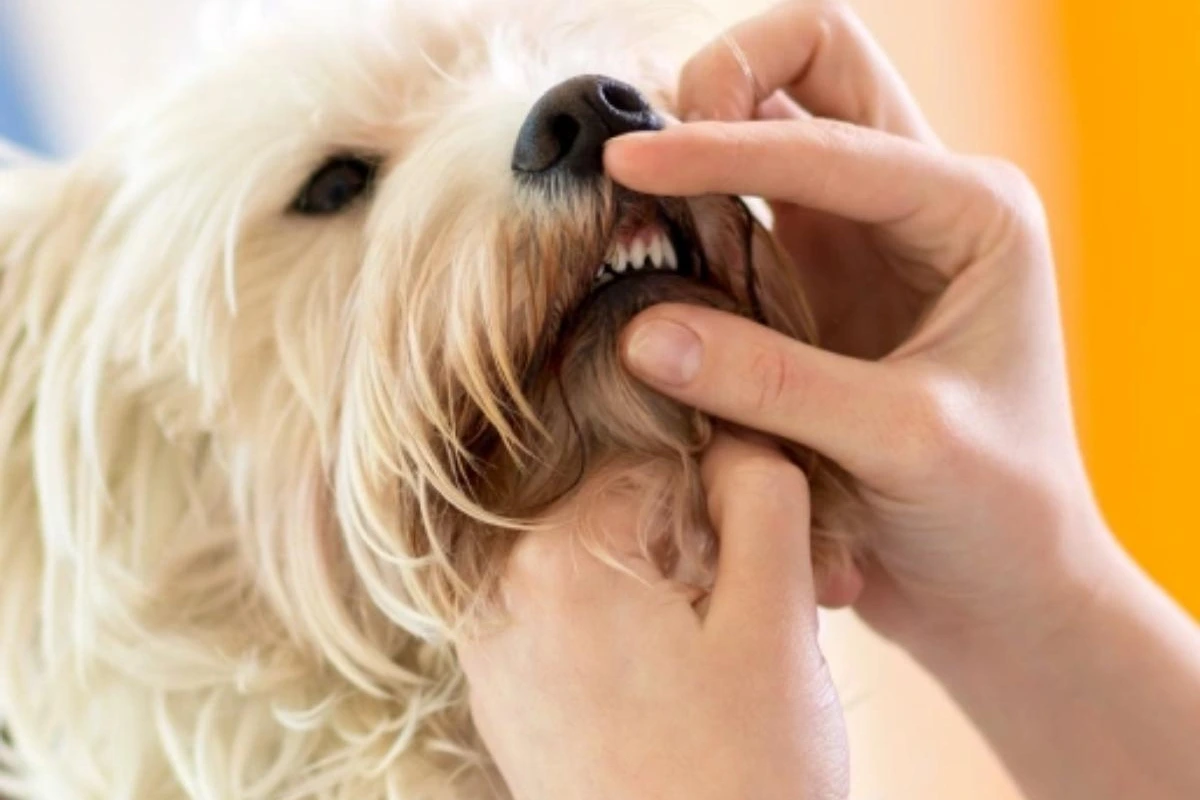
Your dog’s teeth, gums, tongue, and oral tissues are evaluated for signs of disease, loose teeth, or hidden abnormalities.
2. Safe, Comfortable Anesthesia
General anesthesia allows the veterinary team to clean under the gumline and around each tooth safely and without stress for your dog.
3. Scaling and Polishing
Plaque and tartar are gently removed, even from hard-to-reach areas. Polishing helps smooth the enamel to prevent future buildup.
4. Dental X-rays (If Needed)
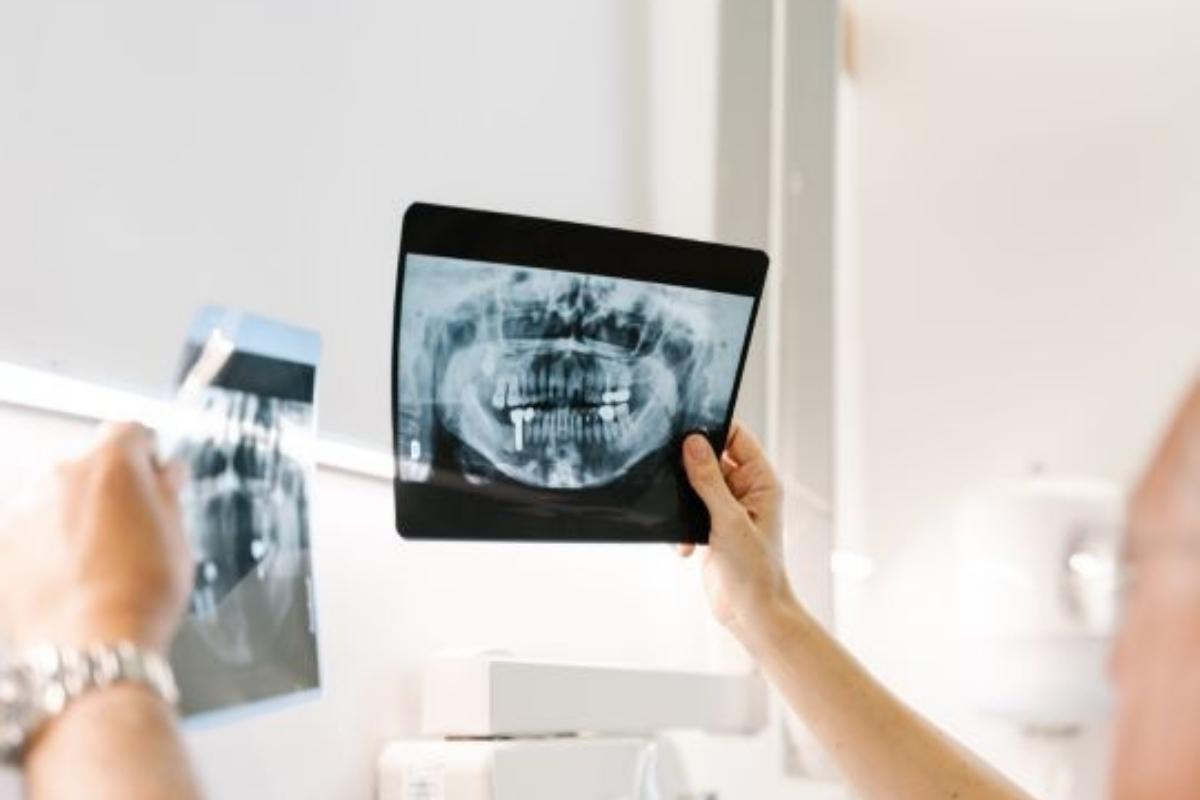
X-rays reveal root infections, fractures, or bone loss that cannot be seen during a surface exam.
5. Treatment Recommendations
If extractions, medications, or additional care are needed, your veterinarian will discuss next steps and create a personalized plan.
If you’re searching for a dependable pet dentist Walnut Creek, routine professional cleanings are an excellent way to maintain your dog’s long-term oral health.
Signs Your Dog May Need a Dental Cleaning Sooner
Most dogs benefit from yearly dental cleanings, but some may require more frequent care. Watch for:
- Persistent bad breath
- Red, inflamed, or bleeding gums
- Excessive drooling
- Dropping food or chewing on one side
- Yellow or brown tartar buildup
- Pawing at the mouth
- Swelling around the jaw or face
These symptoms often indicate developing dental disease and should be evaluated promptly.
If you’re looking for trusted veterinary support, Animal Care Hospital of Walnut Creek provides gentle, thorough dental care tailored to your dog’s specific needs.
How to Support Your Dog’s Dental Health at Home
Professional cleanings are essential, but daily home care helps maintain your dog’s oral health between visits. Here are simple, effective ways to support your dog’s dental hygiene:
Daily Tooth Brushing
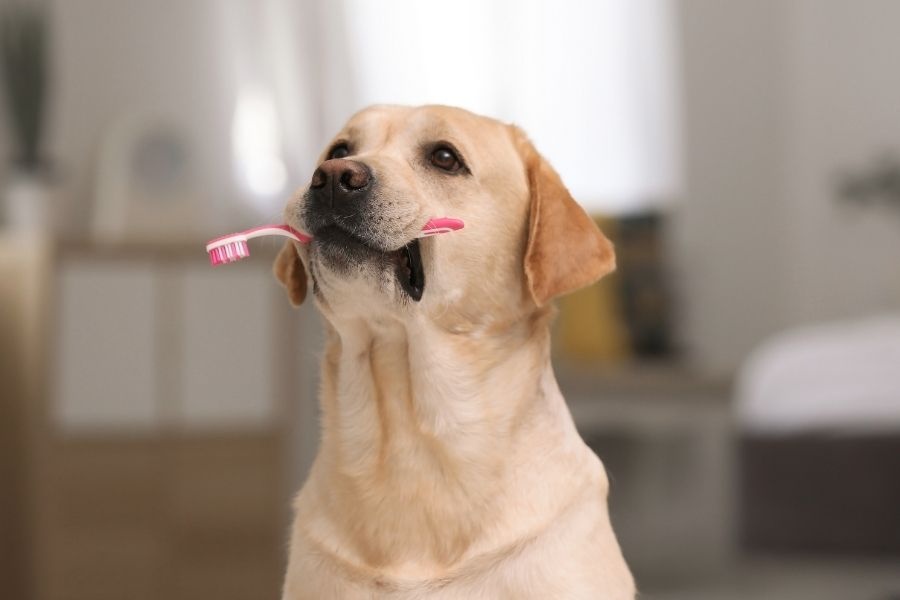
Use a pet-safe toothpaste and soft brush. Brushing is the most effective way to prevent plaque buildup.
Dental Chews and Treats
Choose treats approved by the Veterinary Oral Health Council (VOHC). These can help reduce tartar and keep your dog engaged.
Safe Chew Toys
Rubber or textured toys promote healthier teeth and gums. Avoid hard bones or antlers, which increase fracture risk.
Dental Diets or Additives
Some diets or water additives are designed to reduce plaque. Your vet can recommend trusted options.
Routine Wellness Exams
Your veterinarian can monitor dental changes early, helping prevent disease progression.
When to Schedule Your Dog’s Next Dental Cleaning
Most dogs should begin annual dental cleanings around age three, depending on breed, size, and oral health history. Small breeds, brachycephalic breeds, and dogs prone to periodontal issues may need more frequent care.
You should schedule a cleaning if:
- Your dog has never had a dental cleaning
- You notice odor, buildup, or discomfort
- Your veterinarian identifies early signs of disease
- Your dog is at higher risk for dental issues
Early care helps protect both oral and overall health—saving your dog from discomfort and preventing costly treatments later.
Regular dental cleanings are one of the most powerful ways to support your dog’s long-term health. By staying proactive, you can prevent painful infections, reduce risk to major organs, and help your dog enjoy a happier, healthier life. If it’s been more than a year since your dog’s last cleaning, now is the perfect time to schedule an exam and prioritize their oral wellness.
A healthy mouth means a happier dog—starting with a clean, comfortable smile.