Read Our Pharmacy Prescription Policy Update!


Signs Your Dog May Need a Tooth Extraction (and What to Do Next)
Your dog’s smile says a lot about their health — but what if hidden dental pain is making every bite uncomfortable? Dental disease is one of the most common conditions in dogs, and sometimes, a tooth extraction becomes the most effective solution to ease discomfort and stop oral infections from worsening.
In this guide, we’ll explore the key signs your dog may need a tooth extraction, what happens during the procedure, and how you can help your furry friend recover comfortably.
Why Dog Tooth Extractions Are Sometimes Necessary
A dog tooth extraction might sound serious, but in many cases, it’s the best way to restore your pet’s oral health. Broken, infected, or decayed teeth can cause severe pain and lead to long-term issues if left untreated.
Some of the most frequent situations that require tooth removal are:
- Severe gum inflammation and periodontal damage
- Cracked, chipped, or damaged teeth
- Painful abscesses or deep-rooted oral infections
- Retained baby teeth
- Extensive decay that compromises the tooth’s structure
Actionable Tip: Regular dental exams can help your veterinarian identify potential problems early — before extraction becomes necessary.
1. Ongoing or Unusually Strong Bad Breath
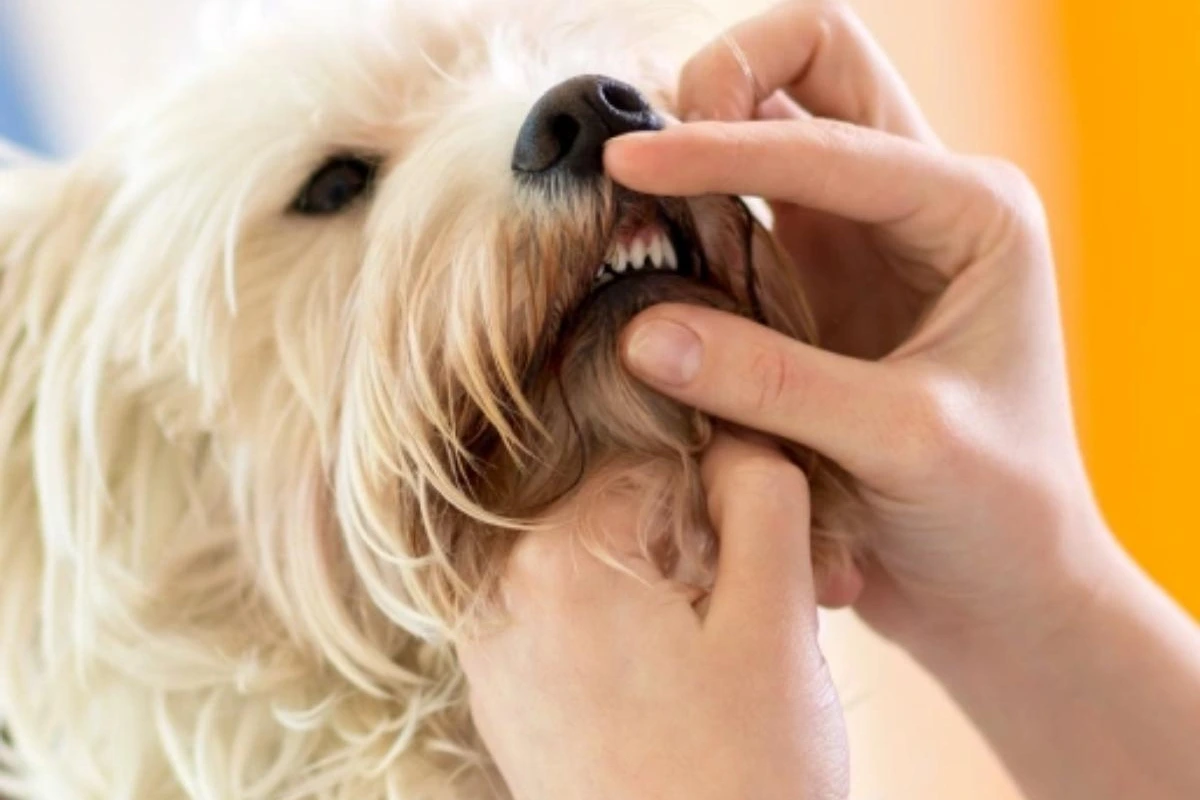
While dog breath isn’t always pleasant, strong, foul odors may indicate bacterial buildup or tooth decay. If brushing and dental chews don’t help, your dog may have a diseased or infected tooth.
What to do next: Schedule a dental exam immediately. Your vet can identify whether the odor is due to gum disease, infection, or a damaged tooth that requires removal.
2. Trouble Chewing or Avoiding Food
If your dog suddenly starts dropping food, chewing on one side, or refusing dry kibble, it might be due to dental pain. Dogs often hide discomfort, so changes in eating behavior can be an early warning sign.
What to do next: Try offering soft food until your vet can examine them. Pain when eating could point to loose or damaged teeth that need extraction.
3. Swelling or Bleeding Around the Mouth
Swelling on the face or around the jaw often signals infection below the gumline. You may also notice bleeding gums or drooling tinged with blood.
What to do next: Avoid touching the swollen area and contact your veterinarian immediately. Infections from diseased teeth can spread to other organs if untreated.
4. Loose, Discolored, or Broken Teeth
Loose or darkened teeth are often a sign of advanced dental disease. A broken tooth exposes the inner pulp, causing intense pain and potential infection.
What to do next: Never attempt to wiggle or remove a loose tooth at home. Only a professional extraction under anesthesia is safe for your dog.
5. Pawing at the Mouth or Changes in Behavior
When dogs experience oral pain, they might paw at their mouth, whine, or suddenly become irritable. Some dogs even stop playing or grooming because of discomfort.
What to do next: Behavioral changes should always prompt a dental check-up. Pain relief and timely treatment can restore your dog’s quality of life quickly.
Step-by-Step Overview of a Canine Tooth Extraction
Tooth extractions for dogs are performed under anesthesia to ensure a pain-free experience. Here’s what typically happens:
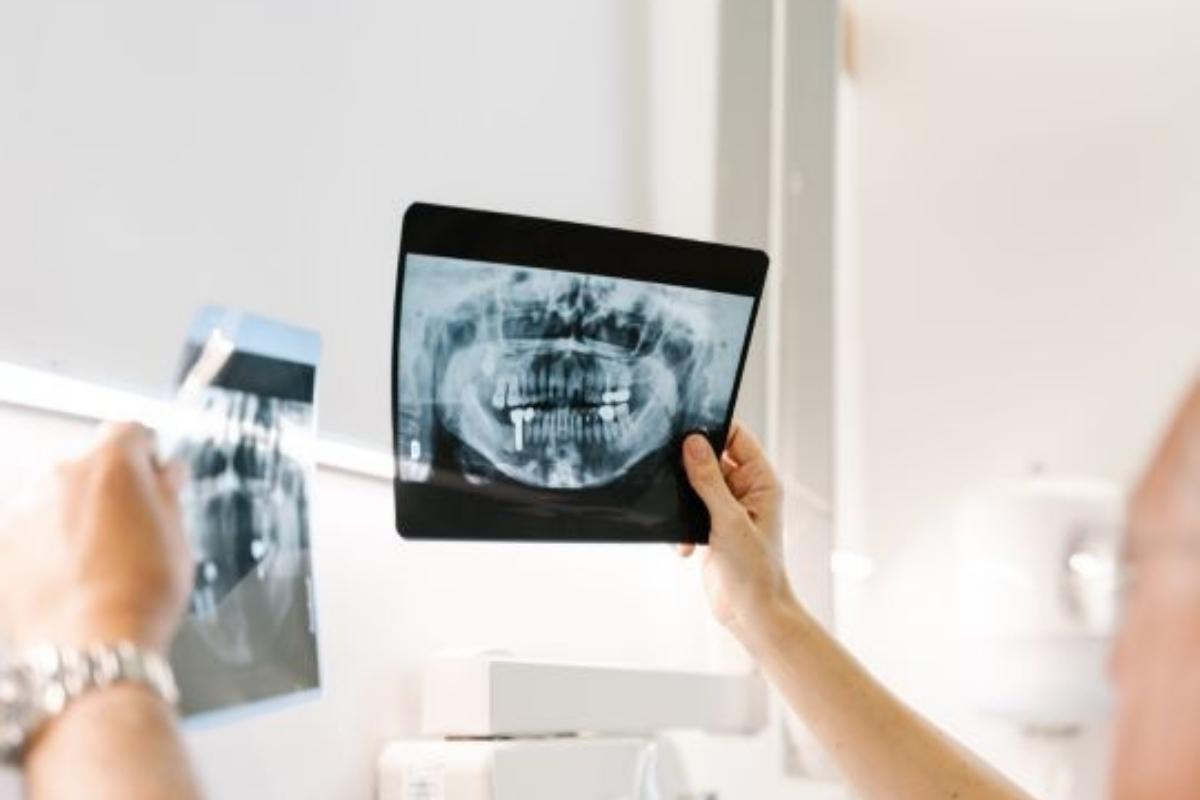
- Pre-Procedure Exam: Your vet performs a full oral evaluation and may recommend dental X-rays to assess the tooth roots.
- Anesthesia & Monitoring: Your dog is carefully sedated and monitored for safety throughout the procedure.
- Extraction: The affected tooth is gently removed, and the area is cleaned to prevent infection.
- Recovery: Your vet provides pain relief and post-operative care instructions to support healing.
If multiple teeth are removed, your dog may need a modified diet or soft food during recovery.
How to Help Your Dog Recover After a Tooth Extraction
- Follow your vet’s medication schedule: Pain relief and antibiotics are crucial for healing.
- Feed soft food: Avoid crunchy kibble until your vet gives approval.
- Keep the mouth clean: Follow your vet’s cleaning instructions carefully.
- Monitor for complications: Watch for swelling, loss of appetite, or bleeding, and contact your vet if these occur.
Pro Tip: Most dogs feel much better within a few days and can return to normal eating within a week or two.
Recognizing early signs that your dog may need a tooth extraction can make a world of difference in their comfort and long-term health. From foul breath to difficulty eating, every symptom deserves attention. With timely veterinary care and proper aftercare, your dog can enjoy a pain-free, healthy smile again.
At Animal Care Hospital of Walnut, we’re proud to provide gentle, expert dental care to pets across Walnut Creek, CA — helping every tail wag a little brighter.
Conveniently located in Walnut Creek, CA, and if you are looking for dog dental care near me, then Animal Care Hospital of Walnut is the best choice for you if you are looking for dog dental care near me. Our compassionate veterinary team offers professional dental cleanings, extractions, and preventive care to help your dog maintain a healthy, pain-free smile. Learn more on our Dental Care Services page.
FAQs
Q1. How do I know if my dog needs a tooth extraction?
Ans. Persistent bad breath, difficulty chewing, or bleeding gums are strong indicators that your dog may need an extraction.
Q2. Are dog tooth extractions painful?
Ans. No. Extractions are performed under anesthesia, and your vet provides pain medication to keep your dog comfortable during recovery.
Q3. How long does recovery take after a tooth extraction?
Ans. Most dogs recover in 5–10 days, though larger or multiple extractions may take longer.
Q4. Can dental problems affect my dog’s overall health?
Ans. Yes. Untreated dental disease can lead to heart, liver, or kidney complications if bacteria enter the bloodstream.
Q5. How can I prevent future extractions?
Ans. Regular dental checkups, professional cleanings, and at-home brushing help prevent decay and infection.
Q6. What should I feed my dog after a tooth extraction?
Ans. Soft, easy-to-chew food is best for the first few days. Avoid hard treats or toys until your vet advises otherwise.