Read Our Pharmacy Prescription Policy Update!


How Pet Dental Cleanings Are Done and Why They Matter

Most pet owners notice their dog or cat has bad breath and assume it is just normal. It is not. Persistent odor from your pet’s mouth is often the first signal that something more serious is happening beneath the gum line. A professional pet dental cleaning is one of the most important preventive steps you can take for your companion’s long-term health. Dental disease is estimated to affect up to 80% of dogs and 70% of cats by age three, yet it remains one of the most overlooked conditions in routine pet care. Skipping dental cleanings does not just mean yellow teeth. It can lead to painful infections, tooth loss, and bacteria that travel to the heart, kidneys, and liver. Understanding what a dental cleaning involves and why it matters helps you make confident decisions for your pet’s well-being.
Why Your Pet’s Oral Health Affects More Than Their Mouth
Dental disease in dogs and cats is not a cosmetic problem. It is a systemic one. When plaque and tartar build up along the gum line, bacteria multiply rapidly in a warm, moist environment that is nearly impossible to clean at home once hardening begins. That bacterial load does not stay localized. Research suggests that periodontal disease in pets is linked to increased risk of kidney, liver, and heart conditions because bacteria enter the bloodstream through inflamed gum tissue.
Cats are particularly vulnerable. Studies indicate that feline dental disease is the most common health condition diagnosed in domestic cats during routine exams, often progressing silently with few obvious symptoms until significant damage has occurred. Dogs fare similarly, especially smaller breeds, where crowded teeth create more pockets for tartar to accumulate.
Consistent professional cleanings break this cycle. They remove hardened deposits that brushing cannot reach, allow a veterinarian to examine each tooth individually, and catch early-stage disease before it becomes painful or costly to treat.
Signs Your Dog or Cat Is Overdue for a Dental Exam
Many pets are skilled at hiding discomfort, which makes recognizing dental symptoms at home an essential skill for any pet owner.
- Persistent bad breath: Pet bad breath causes range from food residue to active gum infection. Odor that does not go away after eating is a warning sign worth investigating.
- Yellow or brown buildup on teeth: Visible tartar, especially along the back molars and near the gum line, means plaque has already mineralized and requires professional removal.
- Red, swollen, or bleeding gums: Healthy gums should be pink and firm. Inflammation or bleeding when your pet chews signals gingivitis or periodontal disease.
- Pawing at the mouth or face: This behavior often indicates tooth pain or a foreign object lodged in the gum tissue.
- Dropping food or reluctance to eat: Chewing becomes painful with advanced dental disease, causing pets to eat less or favor one side of the mouth.
Dr. Yuka Nakamura, a veterinary dentistry expert at Animal Care Hospital of Walnut Creek, notes that many pets she examines have been showing subtle dental symptoms for months before their owners connect the signs to an oral health issue. “Bad breath is almost never just bad breath,” she says. “By the time it is noticeable to the owner, we often find moderate to advanced tartar buildup and some degree of gum inflammation already present.”
If you observe any of these signs in your dog or cat, contact your nearest veterinarian promptly.
What Happens Step by Step During a Professional Dental Cleaning
A professional pet dental cleaning is a thorough, multi-stage procedure performed under general anesthesia to ensure complete safety and a stress-free experience for your pet.
- Pre-anesthetic evaluation: Before the procedure begins, your veterinarian reviews your pet’s health history and conducts a physical exam. Blood work is typically recommended, especially for older pets, to confirm they are healthy enough for anesthesia.
- Anesthesia administration: General anesthesia is required for a complete dental cleaning. It allows the veterinarian to safely examine every tooth surface, probe below the gum line, and take dental X-rays without causing pain or distress.
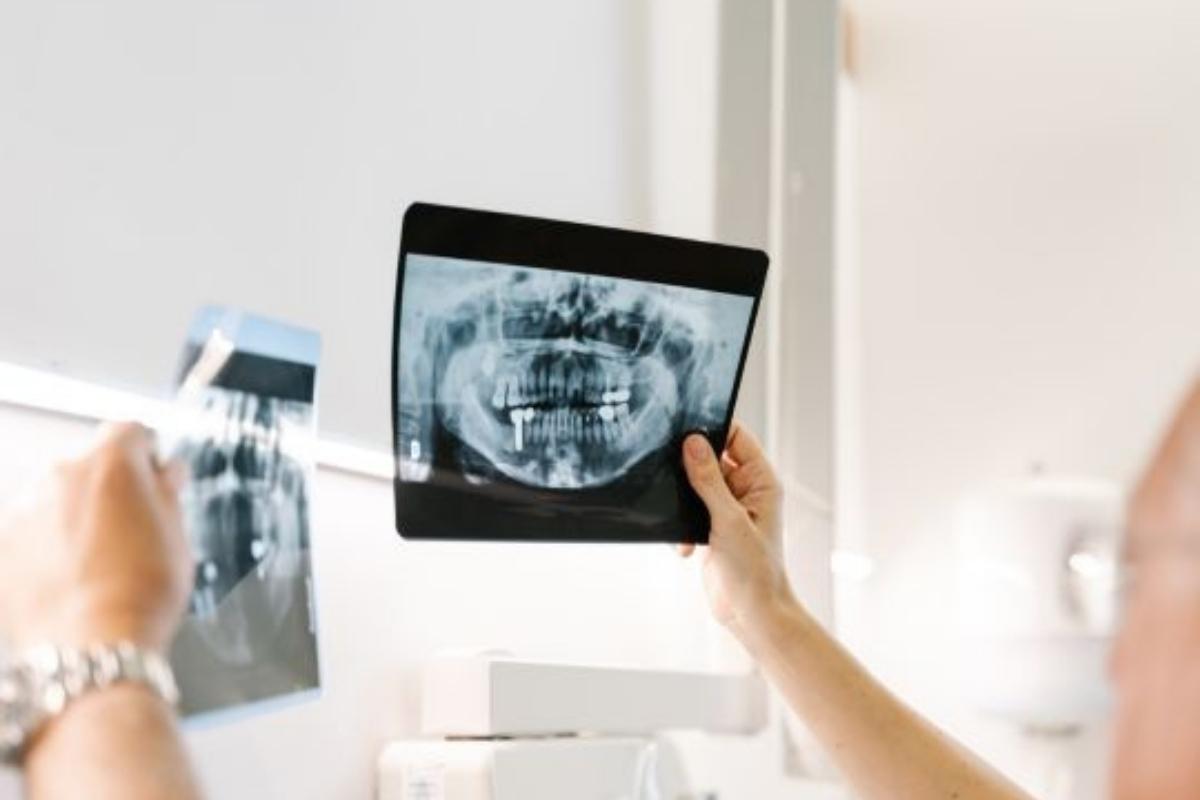
- Dental X-rays: Full-mouth radiographs reveal what is happening beneath the visible surface. Up to 60% of dental disease in pets occurs below the gum line and cannot be detected by visual exam alone.
- Scaling: The pet teeth scaling procedure begins with an ultrasonic scaler that breaks down hardened tartar on the crown of each tooth. Hand scalers are then used to clean below the gum line where periodontal disease starts.
- Polishing: After scaling, teeth are polished to smooth the enamel surface. This reduces the roughness that allows plaque to re-adhere quickly after a cleaning.
- Oral exam and charting: Each tooth is individually probed and documented. Loose teeth, pockets, fractures, or lesions are recorded and addressed.
- Recovery: Your pet wakes up in a monitored recovery area with trained staff present throughout the process. Most pets go home the same day feeling comfortable and alert.
In Walnut Creek, CA, pet owners at Animal Care Hospital of Walnut Creek benefit from this structured, thorough approach to dental care for both dogs and cats.
The Misconception That Anesthesia-Free Cleanings Are Equivalent
One of the most common beliefs among pet owners is that anesthesia-free dental cleanings offer the same benefit as a full professional procedure. They do not.
Anesthesia-free cleanings remove surface staining from the visible parts of the crown, but they cannot reach below the gum line, which is where periodontal disease actually begins. They also stress most animals significantly, preventing the thorough examination that a complete cleaning requires. The American Veterinary Dental College does not recommend anesthesia-free dentals as a substitute for professional veterinary dental care.
Dr. Nakamura, who graduated from veterinary school in Tokyo in 1996 and has spent decades focusing on veterinary dentistry, emphasizes the importance of the subgingival work that only an anesthetized patient allows. “Scaling above the gum line makes teeth look cleaner, but the disease lives below it,” she explains. “Without being able to safely probe and clean each pocket, we are treating the appearance, not the problem.”
For dogs with crowded dentition and cats showing cat dental cleaning signs like drooling or reluctance to chew, this distinction is especially important.
How Often Should Pets Have Their Teeth Professionally Cleaned
There is no single universal schedule for pet dental cleanings. Frequency depends on the individual animal, their breed, age, diet, and home care routine.
Small and toy dog breeds typically need professional cleanings more frequently, often every six to twelve months, because their teeth are crowded closer together in a smaller jaw. Large breed dogs with good oral hygiene and consistent at-home brushing may do well with annual cleanings. Cats with a history of resorptive lesions or cat dental cleaning signs may also need more frequent monitoring.
What remains consistent is this: your veterinarian is the right person to set your pet’s cleaning schedule after a thorough oral exam. During routine wellness visits in Walnut Creek, your vet can assess the current state of your pet’s teeth and gums and give you a personalized recommendation for dog teeth cleaning vet visits going forward.
Home care between appointments still matters. Daily brushing with a pet-safe toothpaste, dental chews approved by the Veterinary Oral Health Council, and regular water additives designed for oral health can all slow tartar accumulation between professional cleanings. These tools support but do not replace professional dental care.
Conclusion
Dental disease is progressive. The longer it goes unaddressed, the more difficult and involved the treatment becomes. A professional pet dental cleaning, done on a schedule tailored to your individual pet, is one of the most effective tools available for protecting their comfort and longevity. At Animal Care Hospital of Walnut Creek, our team provides pet dental care for both dogs and cats, guided by the expertise of Dr. Yuka Nakamura and a team committed to complete, compassionate oral health treatment. Your pet deserves a healthy mouth, and you deserve the peace of mind that comes with knowing their dental health is in good hands. Book an appointment today.
Frequently Asked Questions
Q: Is anesthesia safe for my pet during a dental cleaning?
Ans: Yes, for the vast majority of pets, anesthesia is very safe when performed with proper pre-anesthetic screening and monitoring. Your veterinarian will review blood work and evaluate your pet’s overall health before the procedure to confirm they are a good candidate. The risk of untreated dental disease typically far outweighs the risk of a routine anesthetic procedure.
Q: How do I know if my cat needs a dental cleaning?
Ans: Common cat dental cleaning signs include bad breath, drooling more than usual, dropping food while eating, pawing at the face, and visible brown or yellow buildup on the teeth. Because cats hide pain well, a dental exam during a routine wellness visit is the most reliable way to assess their oral health even if no symptoms are obvious.
Q: Can I just brush my dog’s teeth instead of getting a professional cleaning?
Ans: Brushing at home is excellent for slowing plaque buildup, but it cannot remove tartar that has already hardened onto the tooth surface. Once mineralization occurs, professional scaling is the only way to safely remove the deposit. Think of home brushing as maintenance between professional cleanings, not a replacement for them.
Q: What does a dog teeth cleaning vet appointment involve for my pet on the day of the procedure?
Ans: Your pet will typically fast from food the night before. At the clinic, they will receive a pre-anesthetic exam, be placed under general anesthesia, undergo full-mouth X-rays, scaling, and polishing, then recover in a monitored area before going home. Most dogs and cats return home the same day and resume normal activity within 24 hours.
Q: How do I know how often my pet should have a dental cleaning?
Ans: Your veterinarian will recommend a cleaning schedule based on your pet’s breed, age, current oral health, and how quickly tartar accumulates for that individual animal. Some pets need cleanings every six months, while others do well annually. A dental exam at your next wellness visit is the best starting point for building a personalized schedule.