Read Our Pharmacy Prescription Policy Update!


How to Tell If Your Cat Is in Pain After Surgery
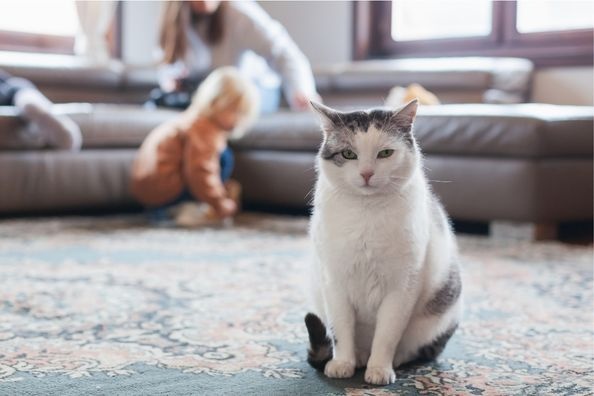
Your cat just came home from surgery. She is quiet, moving slowly, and not quite herself. You are wondering if this is normal recovery or if she is hurting. Recognizing cat pain after surgery is one of the most important skills a pet owner can have, and it is not always obvious. Cats are wired to hide discomfort. In the wild, showing weakness attracts predators, so your cat’s instincts work against you during recovery. This article explains exactly what to look for in the hours and days after a surgical procedure, why certain behaviors signal pain rather than simple grooming or fatigue, and when to call your veterinarian right away. Knowing these signs can make the difference between a smooth recovery and a complication that gets out of hand.
How Can You Tell If Your Cat Is in Pain After Surgery?
A cat in pain after surgery will usually show a combination of behavioral and physical changes. She may guard the surgical site by flinching, turning away, or biting when you touch the area. Her breathing may be faster or shallower than normal. She may sit hunched with her back rounded and her head held low, which is a classic feline pain posture. You may also notice that her third eyelid is partially visible, her pupils are dilated, or her facial muscles look tight around the eyes and muzzle. No single sign confirms pain, but when two or three appear together, contact your veterinarian promptly.
Warning Signs That Your Cat Is Uncomfortable After the Procedure
Pet owners often tell us they assumed their cat was just sleepy, when the cat was actually signaling significant discomfort. Cats do not cry out the way dogs do. Instead, they go quiet and withdraw.
Watch for these signs of cat pain in the first 24 to 72 hours post-surgery:
- Guarding the incision site: Your cat turns away, tucks inward, or tries to bite when you approach the area.
- Labored or rapid breathing: Pain elevates respiration. Count breaths per minute. More than 30 breaths per minute at rest is a concern.
- Hunched posture: A cat sitting with her spine curved and belly tucked up is in classic pain posture, not just resting.
- Dilated pupils or a glazed stare: Pain activates the nervous system and keeps the pupils wide even in a lit room.
- Teeth grinding or excessive salivation: Less common, but a clear signal something is wrong.
- Vocalizing when touched: Even a low growl or a hiss near the surgical site is meaningful in a cat that is normally quiet.
If you notice any of these signs, contact your veterinarian promptly. Do not wait to see if the cat “snaps out of it.”
What Cat Hiding After Surgery Is Really Telling You
Many people assume a hiding cat is just adjusting. In our experience, a cat that retreats under a bed or into a closet and refuses to come out for food or interaction within the first 24 hours of returning home deserves attention.
Cat hiding after surgery can mean two different things. Some cats hide as a stress response to the clinic environment and the car ride home. That fades within a few hours. But a cat that stays hidden, refuses food, and does not reappear for water by the 12-hour mark is more likely in pain or experiencing a reaction to anesthesia.
Cat hiding after surgery becomes a red flag when it is paired with any of the warning signs above. A cat that is simply decompressing will usually come out to eat, use the litter box, and accept gentle affection within a few hours. A cat that does neither is telling you something is wrong.
Why Cats Stop Eating After Surgery and When to Worry
A mild loss of appetite in the first 12 hours after anesthesia is normal. Anesthetic drugs linger in the system and can cause nausea. Most cats return to eating within 24 hours of a routine procedure.
A cat not eating after surgery beyond the 24-hour mark is a different situation. Pain is a primary driver. When a cat hurts, her digestive system slows and food becomes unappealing. Post-surgical inflammation can also contribute. If your cat turns away from her regular food, offer a small amount of something highly palatable such as plain boiled chicken or a teaspoon of wet food warmed slightly. A cat that still refuses after 48 hours needs to be seen.
One misconception we correct regularly: some owners believe a cat not eating after surgery is just being stubborn or picky. In reality, a healthy cat motivated by hunger will always eat within a reasonable window. Refusal that stretches past 48 hours after pet surgery is a clinical concern, not a personality trait.
In Walnut Creek, CA, we see cats recovering from spay, neuter, dental extractions, and soft tissue procedures on a regular basis. Regardless of procedure type, the eating pattern post-surgery is one of the most reliable early indicators of how well pain is being managed.
How to Support Your Cat’s Recovery at Home
Post-surgical comfort is something you can actively manage at home. These steps reduce the risk of pain going undetected and help your cat recover faster.
- Set up a quiet, enclosed recovery space. A small room or a large crate limits movement and prevents jumping, which can strain the incision. Keep the space dim and away from household noise.
- Check the incision site twice daily. Look for redness that is spreading, swelling that is growing, discharge that is not clear, or edges that are separating. These are signs of infection or wound breakdown, both of which cause pain.
- Keep the e-collar on as directed. Cats that lick or chew at an incision are usually responding to localized pain or irritation. The collar is not optional.
- Track food and water intake. Write it down for the first 72 hours. A written log is far more accurate than memory and gives your vet useful data during a follow-up call.
- Never give human pain medications. Acetaminophen is fatal to cats. Ibuprofen causes rapid kidney failure. Only use pain medications prescribed by your veterinarian at the dose and frequency specified.
We frequently remind our clients that the recovery environment at home matters as much as the procedure itself. A calm, confined, monitored space supports cat recovery after surgery better than free roam of the house.
Animal Care Hospital of Walnut Creek is available to answer questions between visits. If you are unsure whether what you are observing is normal, call rather than wait.
Conclusion
Recognizing cat pain after surgery requires paying attention to subtle behavioral changes, not just obvious distress. Watch for hiding, appetite changes, posture shifts, and incision guarding. Trust your instincts as an owner: if something looks wrong, it usually is. Track food intake, check the incision site regularly, and keep your cat confined and calm during the recovery window. When pain signals appear together or persist beyond 24 to 48 hours, reach out to your veterinarian rather than waiting. The team at Animal Care Hospital of Walnut Creek is here to support your cat through every stage of recovery. Book an appointment today.
Frequently Asked Questions
Q: How long is a cat in pain after surgery?
Ans: Most cats experience the most discomfort in the first 24 to 72 hours after a procedure. With proper pain management prescribed by your veterinarian, discomfort should decrease steadily each day. If your cat still seems uncomfortable after 72 hours, contact your vet.
Q: Is my cat in pain or just tired after surgery?
Ans: Tiredness from anesthesia typically improves within 12 to 24 hours. Pain, by contrast, comes with physical signs like hunched posture, guarding the incision, refusing food past 24 hours, or rapid breathing. If your cat is showing these signs alongside fatigue, contact your veterinarian.
Q: What does a cat in pain look like after being spayed or neutered?
Ans: A cat in pain after spay or neuter may sit hunched, avoid jumping, flinch when touched near the abdomen, refuse food, or hide and not come out. Vocalization when touched near the surgical site is also a clear pain indicator.
Q: Should I let my cat lick the incision after surgery?
Ans: No. Licking introduces bacteria and can open the incision. Keep the e-collar on as directed by your veterinarian until the incision is fully healed, typically 10 to 14 days depending on the procedure.
Q: When should I call the vet after my cat’s surgery?
Ans: Call your veterinarian if your cat refuses food past 24 to 48 hours, has a fever, shows redness or discharge at the incision site, is breathing rapidly at rest, or is still lethargic after 24 hours. When in doubt, call rather than wait.