Read Our Pharmacy Prescription Policy Update!


Signs of Anxiety in Dogs and What You Can Do to Help
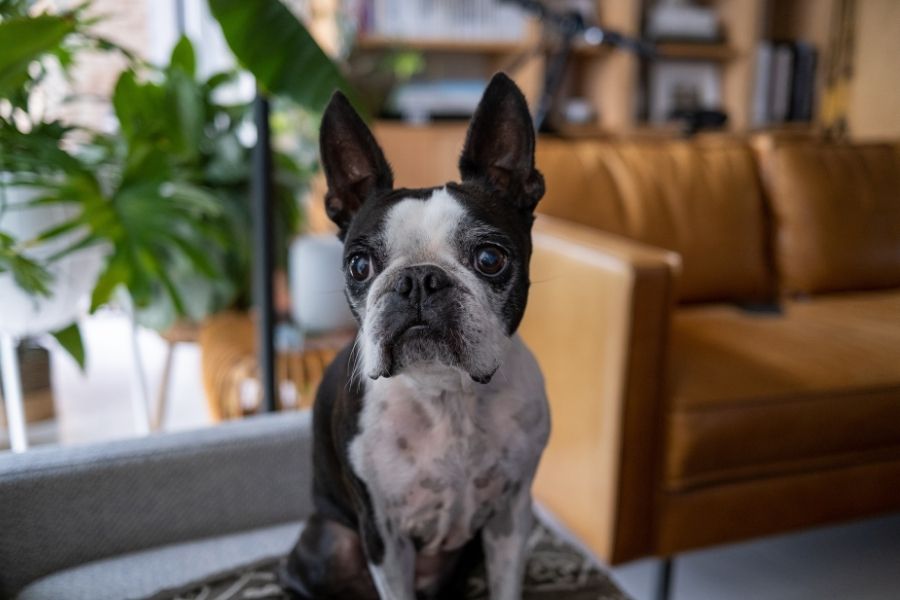
Your dog won’t stop pacing. He’s chewing the baseboards again. She hides under the bed every time the doorbell rings. These behaviors can feel frustrating and confusing, but they are often clear signs of anxiety in dogs. Anxiety is one of the most common behavioral concerns we hear about from pet owners, and it deserves more than a quick fix. Understanding what your dog is experiencing is the first step toward helping them feel safe. This guide will walk you through the most recognizable anxiety symptoms, what causes them, how a veterinarian can help, and what you can do at home to support your dog’s mental well-being. Your dog cannot tell you when something is wrong. But their behavior always will.
What Are the Signs of Anxiety in Dogs?
Anxiety in dogs shows up differently depending on the dog. Some become destructive or vocal. Others shut down completely. The signs of anxiety in dogs can be subtle at first, so knowing what to look for helps you act early.
Watch for these symptoms:
- Excessive panting or yawning — often a sign of stress, not heat or tiredness
- Destructive chewing — targeting furniture, doors, or personal items when left alone
- Trembling or shaking — particularly during loud events like thunderstorms or fireworks
- Hiding or withdrawing — avoiding contact with people or retreating to small spaces
- Excessive barking or whining — especially when the dog is alone or in a new environment
- Accidents in the house — even in dogs that are fully housetrained
In our experience, many dog owners assume these behaviors are simply bad manners. In reality, they are often a dog’s way of communicating that something feels very wrong. If you notice any of these signs, contact your veterinarian promptly.
Common Stress Triggers in Dogs
Understanding what sets off your dog’s anxiety can make a big difference in how you manage it. Stress triggers in dogs vary widely, but some patterns show up again and again.
Separation is one of the most frequent causes. Dogs are social animals and many struggle when left alone for long periods. Loud noises are another major trigger. Thunderstorms, construction sounds, and fireworks can send even a calm dog into a panic. Major life changes, like moving to a new home, welcoming a new baby, or adding another pet to the household, can also unsettle a dog’s sense of security.
In California, where wildfire season brings months of distant booms, low-flying aircraft, and smoky air, we see stress triggers in dogs spike significantly during late summer and fall. Some dogs develop generalized anxiety over time, meaning they seem nervous even without a clear cause.
Age and health also play a role. Older dogs experiencing cognitive decline may show new anxiety symptoms that were never present before. A sudden behavior change in an adult dog is always worth a veterinary conversation.
How to Calm an Anxious Dog at Home
There is a lot pet owners can do between vet visits to support a dog struggling with anxiety. Learning how to calm anxious dogs takes consistency, but small changes add up quickly.
Here are four approaches that help:
- Create a safe space. Designate a quiet area with familiar bedding and a few favorite toys. Let your dog retreat there without interruption. A covered crate can work well for dogs who feel safer in small, den-like spaces.
- Keep routines predictable. Anxious dogs thrive on structure. Feeding, walks, and bedtime at consistent times signal safety and reduce uncertainty.
- Avoid inadvertent reinforcement. Comforting a dog while they are in the middle of a fear response can sometimes reinforce the anxious behavior. Instead, stay calm yourself. Your body language and tone communicate directly to your dog.
- Use counterconditioning. Pair anxiety-inducing triggers with something positive. If your dog fears car rides, start with sitting in a parked car with a treat and build slowly from there.
Pet owners often tell us that once they committed to a predictable routine, their dog’s dog anxiety symptoms at home improved noticeably within a few weeks. Knowing how to calm anxious dogs starts with understanding their need for consistency and safety.
How Veterinarians Diagnose and Treat Dog Anxiety
If your dog’s anxiety is interfering with daily life, a veterinary visit is the right next step. Diagnosing anxiety involves ruling out underlying medical conditions first. Pain, thyroid disorders, and neurological changes can all mimic anxiety symptoms. Your vet will start with a physical exam and may recommend bloodwork to rule those out.
Once a behavioral diagnosis is confirmed, treatment is tailored to the individual dog. A common approach includes:
- Behavioral modification plan developed with or recommended by a veterinary professional
- Environmental adjustments to reduce known triggers
- Anti-anxiety medications when anxiety is severe or persistent. Your vet will determine whether medication is appropriate based on your dog’s history and health profile.
- Referral to a veterinary behaviorist for complex cases that do not respond to standard interventions
Many dogs we see for anxiety show significant improvement with a combination of behavioral support and, when needed, short-term or long-term medication. The goal is always to help your dog feel comfortable and safe in their own environment.
At Animal Care Hospital of Walnut Creek, our team provides comprehensive veterinary care for dogs experiencing anxiety and behavioral challenges. We take time to understand your dog’s full history so we can build a care plan that actually fits your life. If your dog has been showing signs of distress, we are here to help. Veterinary care for dogs with anxiety should be supportive, thorough, and compassionate, and that is exactly what we aim to deliver.
Can Dog Anxiety Be Prevented?
Not all anxiety can be prevented, but early socialization and consistent training go a long way. Dogs that are exposed to a wide variety of people, sounds, and environments during their first few months of life tend to develop more resilient nervous systems.
One misconception we frequently hear is that anxious dogs just need more exercise. While physical activity is important for overall health, exercise alone rarely resolves true anxiety. A dog with separation anxiety will still panic when left alone, whether they ran two miles that morning or not.
Other prevention strategies that help:
- Socialize puppies early and often, in positive, low-pressure settings
- Avoid punishing fearful behavior, which can deepen anxiety over time
- Monitor your dog’s body language so you can identify early dog anxiety symptoms at home before they escalate
- Schedule regular wellness visits so any emerging behavioral concerns are caught and addressed early
Dogs that receive ongoing support from a trusted veterinary team are better positioned to manage anxiety throughout their lives.
Conclusion
Anxiety in dogs is real, common, and treatable. Recognizing the signs of anxiety in dogs early gives you the best chance of helping your dog feel better before the problem becomes severe. Pay attention to behavioral shifts, identify patterns in your dog’s stress triggers, and take action. Home strategies help, but a veterinary evaluation is essential when anxiety is persistent or intense.
Animal Care Hospital of Walnut Creek is here to support you and your dog every step of the way. Our compassionate team is experienced in helping dogs with anxiety live calmer, happier lives. Do not wait until the situation reaches a breaking point. Book an appointment today.
Frequently Asked Questions
Q: What are the signs of anxiety in dogs?
Ans: Common signs include excessive panting, destructive chewing, trembling, hiding, constant barking, and house accidents in otherwise housetrained dogs. These behaviors often indicate your dog is experiencing stress or fear, not disobedience.
Q: How do I know if my dog has separation anxiety?
Ans: Dogs with separation anxiety typically show distress immediately before or after you leave. Signs include frantic pacing, vocalization, destruction near exits, and loss of appetite when alone. A veterinarian can help confirm the diagnosis.
Q: Can dog anxiety get worse over time?
Ans: Yes. Without intervention, anxiety in dogs often escalates. Early identification and a consistent management plan, ideally developed with veterinary guidance, give your dog the best chance of improvement.
Q: What triggers anxiety in dogs most often?
Ans: The most common triggers include separation from owners, loud noises like thunderstorms or fireworks, major household changes, unfamiliar environments, and negative past experiences. Identifying your dog’s specific triggers is key to managing their anxiety.
Q: When should I take my anxious dog to the vet?
Ans: If your dog’s anxiety symptoms are frequent, intense, or interfering with normal daily life, schedule a veterinary visit. A vet can rule out medical causes, recommend a behavioral plan, and determine whether medication may help.