Read Our Pharmacy Prescription Policy Update!


How to Be a 10/10 Ragdoll Cat Owner: Everything You Need to Know
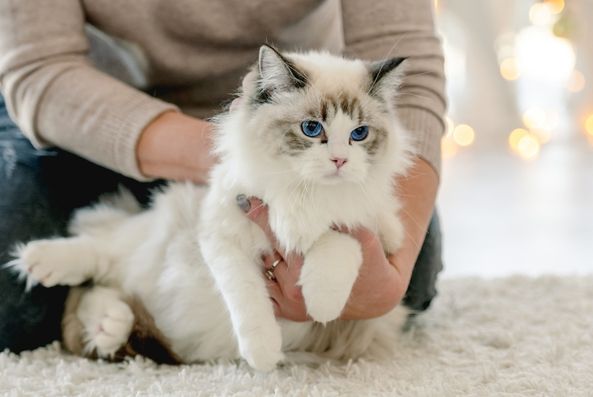
You brought home a Ragdoll kitten, and you want to do everything right. That is a great place to start. Ragdolls are gentle, affectionate cats with specific needs that differ from most other breeds. They tend to follow their owners from room to room, go limp when picked up, and bond deeply with their families. These traits make them wonderful companions, but they also mean Ragdolls rely on their owners more than the average cat. Understanding ragdoll cat care tips early will set your cat up for a long, healthy life. From coat maintenance to vet visits to indoor enrichment, this guide covers everything you need to give your Ragdoll the attentive, loving care this breed truly thrives on.
What Makes Ragdoll Cats So Different from Other Breeds
Ragdoll cats are one of the largest domestic cat breeds. Adult males often reach 15 to 20 pounds, and females are usually between 10 and 15 pounds. They have silky semi-long fur, blue eyes, and a calm, docile temperament that sets them apart.
One of the most common questions we get from pet owners is whether Ragdolls can handle being left alone. The honest answer is: not well. This breed is highly social and can develop anxiety or depression when isolated for long periods. If you work long hours, consider getting two cats so they can keep each other company.
Ragdolls are also slow to mature. They do not reach full physical and emotional development until around age four. That means you are raising an oversized kitten for longer than you might expect, which makes early training and socialization especially important.
Ragdoll Cat Health Problems Every Owner Should Know About
Ragdolls are generally healthy cats, but they do carry a genetic predisposition to a few serious conditions. Knowing the risks helps you catch problems early.
Hypertrophic cardiomyopathy, or HCM, is the most significant ragdoll cat health problem to be aware of. It is a thickening of the heart muscle that can lead to heart failure if left undetected. Reputable breeders screen for the gene mutation linked to HCM, but no screening eliminates the risk entirely.
Watch for these signs and contact your vet promptly if you notice any:
- Rapid or labored breathing — especially while resting
- Lethargy or sudden drop in energy — more than typical cat laziness
- Loss of appetite lasting more than 24 hours — a consistent red flag in cats
- Hind limb weakness or paralysis — can indicate a blood clot, a known HCM complication
- Open-mouth breathing — never normal in cats, always warrants urgent care
In our experience, owners who schedule regular cardiac screenings catch ragdoll cat health problems far earlier than those who wait for visible symptoms to appear. Ask your vet whether an echocardiogram makes sense for your cat’s age and health history.
Polycystic kidney disease, or PKD, is another condition seen in the breed. Annual bloodwork is the best tool for catching early kidney changes before they become serious.
How Long Do Ragdoll Cats Live?
Ragdoll cats typically live between 12 and 17 years with proper care. Some healthy, well-managed Ragdolls reach their late teens. Lifespan depends heavily on genetics, diet, indoor living conditions, and consistent veterinary oversight. Cats that receive routine checkups and early disease screening consistently outlive those seen only when sick.
Building an Indoor Cat Grooming Routine That Works
Ragdolls have a semi-long, silky coat that mats less than some long-haired breeds, but they still need regular grooming. A solid indoor cat grooming routine prevents tangles, reduces hairballs, and keeps shedding manageable.
Brush your Ragdoll two to three times per week using a stainless-steel comb or a slicker brush. Pay extra attention to the chest, underarms, and behind the ears. These areas mat first.
During spring and fall, Ragdolls shed more heavily. Increase brushing to daily during these seasons. Many owners find that a deshedding brush during these periods reduces hairballs significantly.
Beyond coat care, your indoor cat grooming routine should include:
- Nail trimming every two to three weeks
- Ear checks weekly for wax buildup or redness
- Dental brushing or dental treats at least three times per week
- Eye corner cleaning with a damp cloth to remove discharge
Pet owners often tell us they skip dental care because their cats resist it. Start slowly. Use cat-specific toothpaste and a finger brush. Even partial compliance is better than none. Dental disease affects an estimated 70% of cats over age three, and it compounds into serious health problems if ignored.
What a Cat Wellness Checkup Schedule Should Look Like for Ragdolls
Ragdolls need more proactive vet oversight than the average mixed-breed indoor cat. A consistent cat wellness checkup schedule is non-negotiable for this breed.
For kittens under one year: schedule visits every three to four months. This covers vaccinations, weight monitoring, parasite prevention, and developmental checks.
For adult Ragdolls aged one to seven, annual wellness exams are the baseline. Given the breed’s cardiac risks, many vets recommend adding a cardiac screening every one to two years starting around age two.
For senior Ragdolls age seven and older: move to twice-yearly exams. Bloodwork, urinalysis, and blood pressure checks should be part of every senior visit. Senior cats can decline quickly, and twice-yearly checkups allow your vet to track changes over time.
We frequently remind our clients that a cat wellness checkup schedule is not just about vaccines. It is your best early warning system for conditions like HCM, kidney disease, hyperthyroidism, and dental disease, all of which are manageable when caught early and serious when caught late.
Animal Care Hospital of Walnut Creek provides comprehensive wellness care for Ragdolls at every life stage. Preventive visits are the most effective investment you can make in your cat’s long-term health.
Enrichment, Diet, and the Veterinary Care for Cats That Ragdolls Need Daily
Ragdolls are indoor-only cats. They lack the street instincts of cats that were raised with outdoor access. Keeping them inside protects them from traffic, predators, infectious disease, and injury.
But indoor living requires active enrichment. A Ragdoll without stimulation becomes bored, and bored Ragdolls overeat. Obesity is a significant health risk in this breed. Excess weight accelerates joint strain, worsens heart disease, and shortens lifespan.
Here are four daily enrichment habits that keep Ragdolls physically and mentally healthy:
- Two play sessions per day using wand toys or laser pointers 10 to 15 minutes each
- Puzzle feeders instead of free-feeding to slow eating and stimulate problem-solving
- Window perches at multiple heights for environmental stimulation
- Cardboard scratchers and cat trees to encourage natural movement and stretching
On nutrition: Ragdolls do best on a high-protein, moderate-fat diet. Wet food supports hydration, which benefits kidney health. Avoid foods with fillers like corn or wheat as primary ingredients. Consult your vet before switching foods or adding supplements.
Veterinary care for cats in this breed also extends to parasite prevention. Even strictly indoor cats need monthly flea prevention and regular deworming. Parasites can enter the home on clothing, shoes, or other pets.
One misconception we correct often: owners assume indoor cats do not need veterinary care as frequently as outdoor ones. Indoor living reduces exposure risks, but it does not eliminate the need for routine oversight. Internal conditions like HCM, kidney disease, and hyperthyroidism have nothing to do with whether a cat goes outside.
Ragdoll cats reward attentive ownership generously. They are loyal, calm, and deeply affectionate when their needs are met consistently.
Raising a Ragdoll Takes Commitment
Ragdoll cats are not low-maintenance pets. They need regular grooming, consistent vet oversight, daily enrichment, and an owner who pays close attention to changes in behavior or health. The ragdoll cat care tips in this guide give you a clear foundation to build on. Start with a strong wellness routine, know the breed’s health risks, and build grooming and enrichment into your daily schedule. Cats that receive this level of care live longer, healthier, and more contented lives. At Animal Care Hospital of Walnut Creek, we love helping Ragdoll owners give their cats exactly that. Book an appointment today.
Frequently Asked Questions
Q: Are Ragdoll cats good for first-time cat owners?
Ans: Yes. Ragdolls are calm, affectionate, and easy to handle, which makes them a good fit for first-time owners. They do require consistent grooming and regular vet visits, so owners should be prepared for that commitment.
Q: How often should a Ragdoll cat see the vet?
Ans: Kittens should be seen every three to four months. Adult Ragdolls need annual wellness exams. Senior cats age seven and older benefit from twice-yearly checkups due to higher risk for heart and kidney disease.
Q: Do Ragdoll cats need to be groomed professionally?
Ans: Not necessarily. Most Ragdoll owners can manage coat care at home with regular brushing two to three times per week. Professional grooming can be helpful during heavy shedding seasons or if mats develop.
Q: What health problems are Ragdoll cats prone to?
Ans: Ragdolls have a genetic predisposition to hypertrophic cardiomyopathy and polycystic kidney disease. Regular cardiac screenings and annual bloodwork are the best tools for early detection of both conditions.
Q: How do I keep my indoor Ragdoll from getting bored?
Ans: Provide daily play sessions, puzzle feeders, window perches, and vertical climbing structures. Two ten-minute interactive play sessions per day are enough to keep most Ragdolls mentally stimulated and physically active.