Read Our Pharmacy Prescription Policy Update!


Senior Dogs and Storm Anxiety: Why It Gets Worse With Age
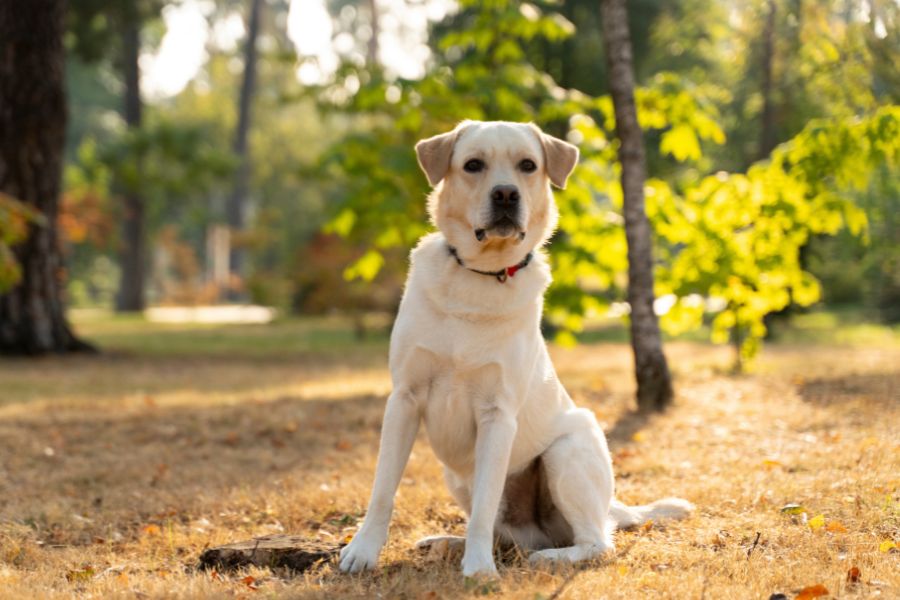
Your old dog used to sleep right through a thunderstorm. Now he paces, pants, and hides in the closet the moment the sky darkens. This shift is common, and it is not just in your imagination. Senior dog storm anxiety often develops or intensifies later in life, even in dogs who were once calm during bad weather. Aging changes the brain, the senses, and the body in ways that make loud noise and pressure changes much harder to cope with. Understanding why this happens is the first step toward helping your dog feel safe again. In this article, we will cover why storm fear worsens with age, the signs to watch for, what causes it, and practical ways to help your senior dog through the next thunderstorm season.
Understanding Storm Anxiety in Aging Dogs
Storm anxiety is a fear response triggered by thunder, lightning, wind, and the barometric pressure drop that comes before a storm. It is estimated that roughly one in three dogs shows some form of noise sensitivity, and that number climbs noticeably in dogs over age seven. Aging affects the nervous system’s ability to regulate fear responses, which means a startle reaction that used to fade quickly now lingers much longer. Many dogs we see for behavior concerns are older pets whose owners assumed the anxiety would stay the same over time. Instead, it often builds year after year, especially once other age-related conditions come into play.
What Are the Signs of Storm Anxiety in Senior Dogs?
Senior dogs with storm anxiety typically pace, pant heavily, drool, tremble, or try to hide before and during a storm. Some also become clingy, vocalize more than usual, or lose control of their bladder despite being fully house trained. These signs often appear earlier in the storm cycle in older dogs because their hearing and pressure sensitivity can sharpen with certain age-related changes.
Watch for these dog noise phobia symptoms in your senior pet:
- Pacing or restlessness that starts before you hear thunder
- Heavy panting or drooling unrelated to heat or exercise
- Hiding in closets, bathrooms, or under furniture
- Trembling or whole-body shaking
- Accidents in the house from an otherwise reliable dog
If you notice several of these signs together, it is worth discussing them with your veterinarian rather than waiting to see if they pass. Pet owners often tell us they assumed their dog would simply outgrow the fear, but in senior dogs the pattern usually moves in the opposite direction.
Why Dogs Fear Storms More as They Age
Several overlapping factors explain why dogs fear storms more intensely later in life. Cognitive decline is one of the biggest contributors, since aging brains process fear and memory differently and can struggle to distinguish a one-time scare from ongoing danger. Joint pain and arthritis also play a role, since a storm’s pressure changes can worsen physical discomfort, adding a layer of stress to the fear itself. Hearing changes are another piece of the puzzle. Some senior dogs lose the ability to localize where a sound is coming from, which can make thunder feel unpredictable and more threatening. In our experience, dogs with underlying arthritis or vision loss tend to show stronger storm reactions than healthy dogs of the same age, likely because they feel less able to escape or reorient themselves quickly.
Causes and Risk Factors to Watch For
Beyond general aging, a few specific risk factors raise the likelihood of worsening storm anxiety. Dogs with a history of noise sensitivity as puppies are more likely to see that fear intensify with age rather than fade. Breed can matter too, with herding and working breeds often showing heightened noise reactivity throughout life. Cognitive dysfunction syndrome, a condition similar to dementia in dogs, frequently amplifies existing fears and can introduce new ones. Many dogs we examine for sudden storm-related distress turn out to have early cognitive changes that were not yet obvious in daily routines. Environmental factors matter as well. In California, prolonged dry stretches followed by intense winter storm systems can mean senior dogs go long periods without exposure to loud weather, then face a sudden, jarring reintroduction to it each season.
Calming Aids and Home Care Tips for Senior Dogs
There are several calming aids for dogs that can meaningfully reduce storm-related stress, especially when combined with consistent routines. Creating a safe, enclosed space such as a covered crate or a quiet interior room gives your dog somewhere to retreat before a storm builds. Consider these steps:
- Set up a designated safe space with familiar bedding and reduced outside noise before storms arrive.
- Use a snug-fitting anxiety wrap or calming vest during storm events.
- Play low, steady background noise such as a fan or white noise machine to mask thunder.
- Stay calm yourself, since dogs often mirror their owner’s stress level.
- Ask your veterinarian about anti-anxiety medications or supplements suited to senior dogs with other health conditions.
It is a common misconception that comforting a frightened dog will reinforce the fear. In reality, calmly reassuring a genuinely anxious senior dog does not make the anxiety worse, and withholding comfort can leave them feeling more alone during an already stressful event.
Senior dog anxiety signs like these deserve full veterinary care, since pain, hearing loss, or cognitive changes may all be contributing at once. At Animal Care Hospital of Walnut Creek, our team can help identify which factors are driving your dog’s storm response and build a plan around them.
Managing senior dog storm anxiety takes patience, but most dogs respond well to a combination of environmental changes, behavioral support, and, when appropriate, veterinary guidance. Watching for early signs, understanding the age-related causes behind the fear, and using calming strategies consistently can make a real difference in your dog’s comfort during storm season. If your senior dog’s anxiety seems to be getting worse, do not assume it is simply part of aging that cannot be helped. The team at Animal Care Hospital of Walnut Creek can help create a tailored plan for your dog’s specific needs. Book an appointment today.
Frequently Asked Questions
Q: Why does my senior dog suddenly seem scared of storms?
Ans: Aging can change how the brain processes fear and how well a dog hears or localizes sound, which often makes existing storm sensitivity feel more intense. Underlying pain or cognitive decline can also contribute to a sudden increase in fear.
Q: What are the first signs of noise phobia in older dogs?
Ans: Early signs include pacing, panting, drooling, and trying to hide before a storm fully arrives. Some senior dogs also become unusually clingy or vocal.
Q: Can storm anxiety in dogs be treated?
Ans: Yes, storm anxiety can be managed through safe spaces, calming aids, consistent routines, and in some cases, veterinary-guided medication or supplements. A full evaluation helps identify what is driving the fear.
Q: Does cognitive decline make storm anxiety worse in older dogs?
Ans: Cognitive dysfunction syndrome can amplify existing fears and create new anxieties, including heightened reactions to thunder and loud noise. This is one reason storm anxiety often intensifies with age.
Q: Should I comfort my dog during a storm?
Ans: Yes, calmly comforting a genuinely anxious dog does not reinforce the fear. Providing reassurance and a safe space is one of the most effective ways to help them stay calm.