Read Our Pharmacy Prescription Policy Update!


Keeping Your Pet Hydrated in Summer: Easy Tips to Make Sure Your Dog or Cat Gets Enough Water
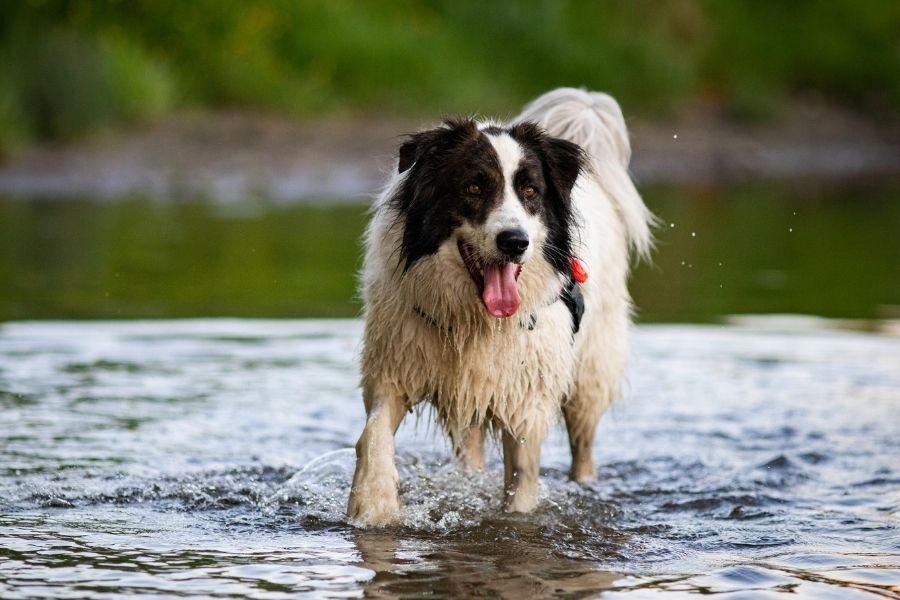
Summer brings longer days, outdoor adventures, and warmer temperatures, but it also increases the risk of dehydration for pets. Dogs and cats can lose water quickly through panting, activity, and exposure to heat, making proper hydration essential for their health and safety.
In this guide, we’ll discuss why hydration matters, how to recognize signs of dehydration, and simple ways to encourage your pet to drink more water during the summer months. Whether you have a playful puppy, an active adult dog, or a senior cat, these tips can help keep your furry companion healthy and comfortable all season long.
Why is Hydration Important for Pets in Summer
Water plays a vital role in nearly every function of your pet’s body. Proper hydration helps regulate body temperature, supports digestion, lubricates joints, transports nutrients, and assists with organ function.
During summer, pets are at greater risk of dehydration because they lose more fluids through:
- Panting
- Increased physical activity
- Exposure to hot weather
- Time spent outdoors
- Illness or underlying health conditions
Even mild dehydration can impact your pet’s energy levels and overall well-being. Severe dehydration can become a medical emergency requiring immediate veterinary care.
How Much Water Does Your Pet Need?
While water needs vary based on size, activity level, age, and diet, a general guideline is:
Dogs
Most dogs need approximately one ounce of water per pound of body weight each day.
For example:
- A 20-pound dog may need about 20 ounces of water daily.
- A 60-pound dog may need about 60 ounces of water daily.
Cats
Cats typically require less water than dogs, but hydration is equally important. Many cats naturally have a lower thirst drive, making them more prone to dehydration.
Pets that eat dry food often require more water than those fed wet food.
Signs Your Dog or Cat May Be Dehydrated
Recognizing dehydration early can help prevent serious health problems.
Common Signs of Dehydration in Pets
- Excessive panting
- Dry or sticky gums
- Sunken eyes
- Lethargy
- Loss of appetite
- Reduced skin elasticity
- Increased heart rate
- Weakness
One simple way to check hydration is the skin tent test. Gently lift the skin between your pet’s shoulders and release it. If the skin returns slowly to its normal position, dehydration may be present.
Easy Ways to Encourage Your Pet to Drink More Water
Some pets naturally drink plenty of water, while others need a little encouragement.
Provide Fresh Water Throughout the Day
Pets are more likely to drink when water is clean, cool, and easily accessible.
Helpful tips include:
- Refresh water bowls multiple times daily
- Wash bowls regularly
- Keep bowls filled at all times
- Place water in several locations around your home
Fresh water is often more appealing than water that has been sitting out for hours.
Use Multiple Water Stations
Having several water sources available encourages pets to drink more frequently.
Consider placing bowls in:
- Main living areas
- Outdoor shaded spaces
- Bedrooms
- Near favorite resting spots
This is especially helpful for senior pets who may have mobility limitations.
Try a Pet Water Fountain
Many dogs and cats prefer moving water.
Pet water fountains can:
- Encourage increased water intake
- Keep water circulating
- Improve freshness
- Appeal to cats that enjoy running water
Some cats that rarely drink from bowls will readily drink from a fountain.
Add Moisture to Meals
Food can contribute significantly to hydration.
Ways to increase moisture include:
- Feeding canned food
- Adding water to kibble
- Mixing low-sodium broth into meals
- Offering veterinarian-approved hydration supplements
Cats, in particular, often benefit from diets with higher moisture content.
Keep Water Available During Outdoor Activities
Summer walks, hikes, and outdoor play sessions increase fluid loss.
Always bring water when:
- Walking your dog
- Visiting parks
- Traveling
- Spending extended time outdoors
Portable pet water bottles and travel bowls make hydration convenient on the go.
Never assume water will be available at your destination.
Limit Outdoor Activity During Peak Heat
One of the easiest ways to support hydration is to reduce heat exposure.
Try to schedule walks and exercise during:
- Early morning
- Late evening
Avoid strenuous activity during the hottest part of the day.
Hot pavement and excessive temperatures can increase the risk of overheating and dehydration.
Create Cool Resting Areas
Pets need a comfortable place to cool down after activity.
Helpful cooling strategies include:
- Shaded outdoor areas
- Air-conditioned indoor spaces
- Cooling mats
- Elevated pet beds
- Good air circulation
Providing cool resting areas helps reduce fluid loss and heat stress.
Special Hydration Considerations for Senior Pets
Older pets may be more vulnerable to dehydration due to age-related health changes.
Senior dogs and cats may:
- Have reduced thirst sensation
- Experience kidney disease
- Take medications that affect hydration
- Have mobility issues that limit access to water
Monitoring water intake becomes increasingly important as pets age.
Regular veterinary wellness exams can help identify health conditions that may affect hydration.
Why Cats Are Often at Higher Risk
Many cat owners are surprised to learn that cats are naturally less likely to drink water than dogs.
Cats evolved from desert-dwelling ancestors and often obtain moisture from food rather than drinking frequently.
To encourage hydration:
- Use water fountains
- Feed wet food
- Place multiple water bowls around the home
- Keep bowls away from litter boxes
Small changes can significantly increase a cat’s daily water intake.
When Dehydration Becomes an Emergency
While mild dehydration can often be corrected quickly, severe dehydration requires immediate veterinary attention.
Seek veterinary care if your pet experiences:
- Extreme lethargy
- Collapse
- Vomiting
- Diarrhea
- Refusal to drink
- Difficulty breathing
- Signs of heatstroke
Prompt treatment can prevent serious complications and improve recovery outcomes.
The Role of Preventive Veterinary Care
Routine veterinary visits play an important role in helping pets stay healthy year-round.
A veterinarian can:
- Evaluate hydration status
- Identify underlying health conditions
- Monitor kidney function
- Discuss nutrition and hydration strategies
- Guide to hot-weather safety
Preventive care helps detect potential problems before they become serious emergencies.
Keep Your Pet Safe, Healthy, and Hydrated This Summer
Keeping your pet hydrated during the summer is one of the simplest and most important ways to support their health. Providing fresh water, encouraging regular drinking, adjusting activity levels, and recognizing signs of dehydration can help protect your dog or cat from heat-related illnesses.
With a few proactive habits and regular veterinary care, pet owners can help their furry companions stay comfortable and enjoy the summer safely.
If you’re in Walnut Creek looking for a vet near you who can guide you, book an appointment with Animal Care Hospital of Walnut Creek today to ensure your pet stays healthy, hydrated, and ready for all the fun summer has to offer.
FAQs
Q1: How can I tell if my pet is dehydrated?
Ans: Common signs include dry gums, lethargy, excessive panting, reduced skin elasticity, sunken eyes, and decreased energy levels.
Q2: How much water should my dog drink each day?
Ans: Most dogs need approximately one ounce of water per pound of body weight daily, though activity level and weather can increase this requirement.
Q3: Why doesn’t my cat drink much water?
Ans: Cats naturally have a lower thirst drive and often rely on moisture from food. Water fountains and wet food can help increase hydration.
Q4: Can pets get dehydrated even if they stay indoors?
Ans: Yes. Indoor pets can still become dehydrated, especially during hot weather, illness, or if they don’t have easy access to fresh water.
Q5: When should I contact a veterinarian about dehydration?
Ans: Contact a veterinarian immediately if your pet shows severe lethargy, vomiting, collapse, difficulty breathing, or refuses to drink water.