Read Our Pharmacy Prescription Policy Update!


Pet Drooling and Dental Health: How Oral Issues Trigger Excessive Saliva
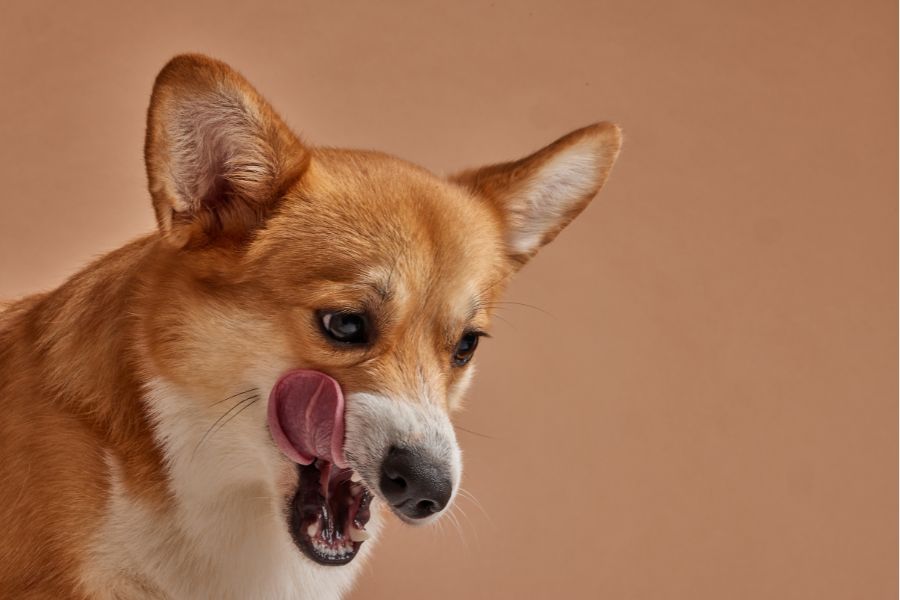
Drooling is often something pet owners brush off as “normal,” especially in certain breeds that are naturally prone to slobber. However, when the dripping becomes excessive, it can signal a deeper health concern. One of the most common yet overlooked culprits is poor dental health.
From gum disease to tooth infections, oral issues can directly influence how much saliva your pet produces. Understanding this connection not only helps in preventing discomfort for your furry friend but also plays a key role in ensuring their overall well-being.
When Drool Crosses the Line: What’s Normal vs. What’s Not
It’s true that some pets, particularly large dog breeds like Saint Bernards or Mastiffs, naturally drool more than others. For them, a bit of slobber is part of daily life. But when a pet that doesn’t usually drool suddenly starts leaving wet patches everywhere, owners should take notice. Excessive salivation, also known as ptyalism, often points to underlying health problems—many of which begin inside the mouth.
Oral Health: The Silent Driver of Excessive Drooling
The mouth is a gateway to your pet’s health, and when something goes wrong here, drooling is often one of the first visible signs. Pets may produce more saliva when the body attempts to flush out bacteria, soothe inflammation, or reduce irritation caused by dental problems.
By closely observing changes in your pet’s drooling pattern, you can often catch dental conditions before they escalate into serious health threats.
Gum Disease: A Hidden Source of Slobber
One of the leading causes of excessive drooling in pets is periodontal disease. When plaque builds up on teeth and hardens into tartar, it irritates the gums, causing inflammation and infection. The discomfort triggers your pet’s salivary glands to work overtime. Over time, untreated gum disease can lead to tooth loss, chronic pain, and even infections that spread to vital organs.
Tooth Trouble: Cracks, Decay, and Pain
A cracked tooth, cavity, or oral abscess can also trigger a sudden increase in drooling. These conditions cause intense pain, making it difficult for pets to chew or swallow normally. In response, their bodies generate more saliva as a protective measure.
Unfortunately, many pets suffer silently because they instinctively hide their pain. Owners may only notice the issue when drooling worsens or when their pet avoids hard food altogether.
Oral Growths and Foreign Objects: The Unexpected Causes
Sometimes the reason for drooling isn’t dental decay but physical obstruction. Growths such as oral tumors or warts inside the mouth can interfere with swallowing and lead to excess saliva.
Similarly, foreign objects like splinters, bones, or small toys lodged in the gums or teeth can irritate, leading to an overproduction of drool. If drooling persists despite good oral hygiene, a veterinary examination becomes essential to rule out these possibilities.
Bad Breath and Drool: Two Warning Signs That Go Hand in Hand
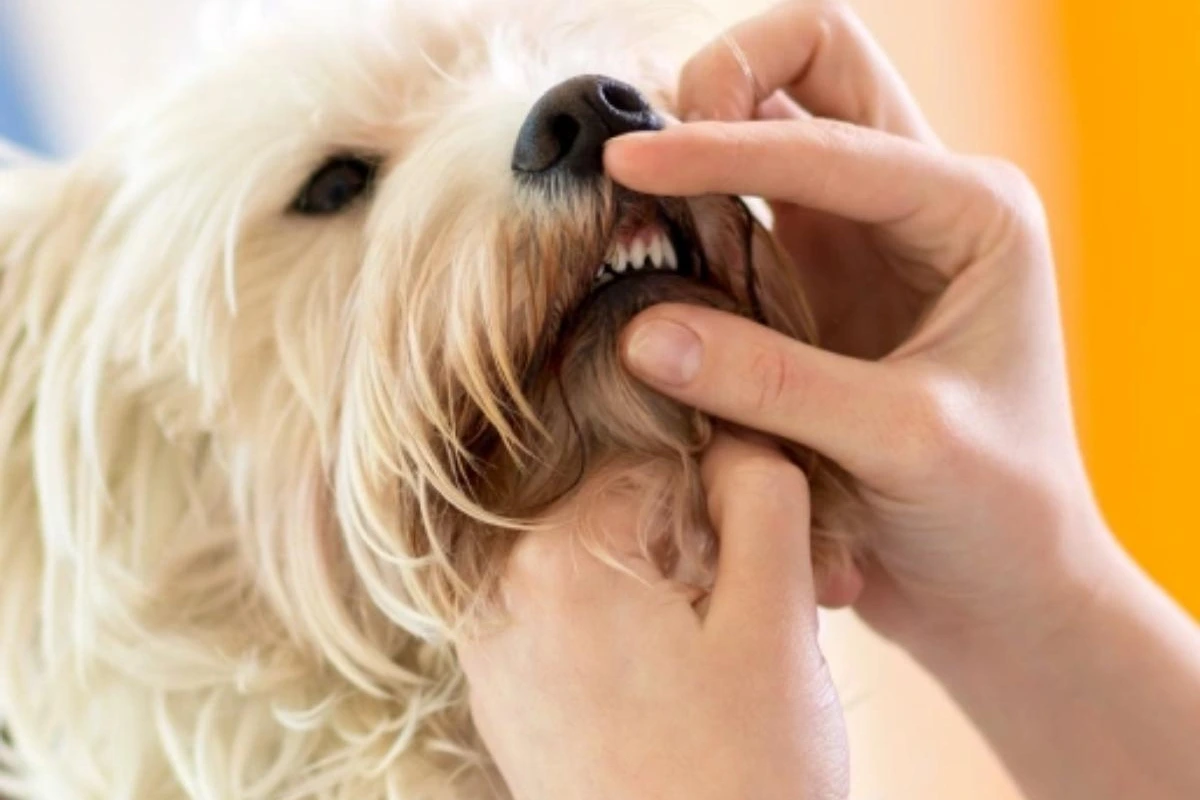
Bad breath is often more than just an unpleasant smell—it’s usually a red flag for dental disease. When bacteria thrive in your pet’s mouth, they not only cause odor but also contribute to gum inflammation and excessive drooling. If you notice both foul breath and slobbering, it’s time to prioritize your pet’s dental check-up.
The Role of Professional Dental Care in Preventing Drooling
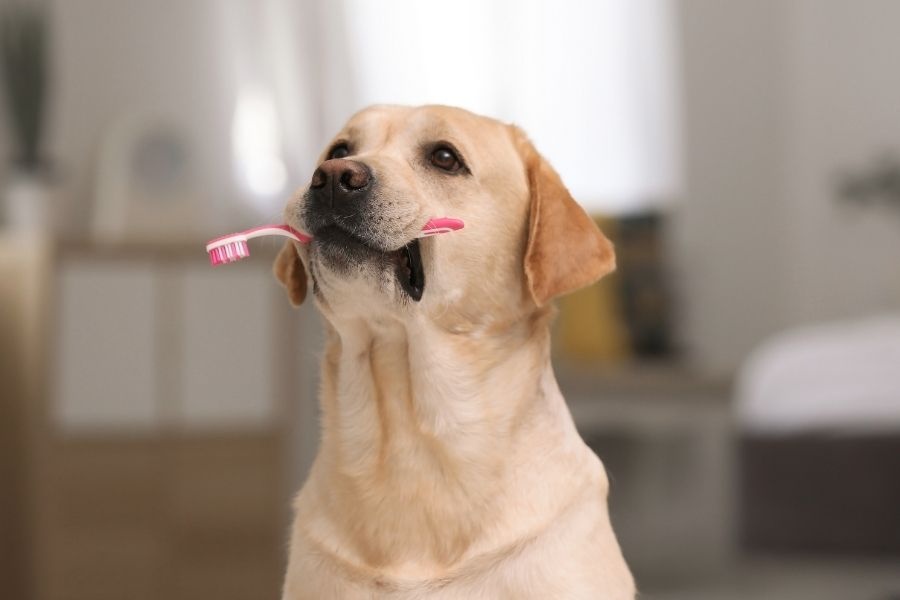
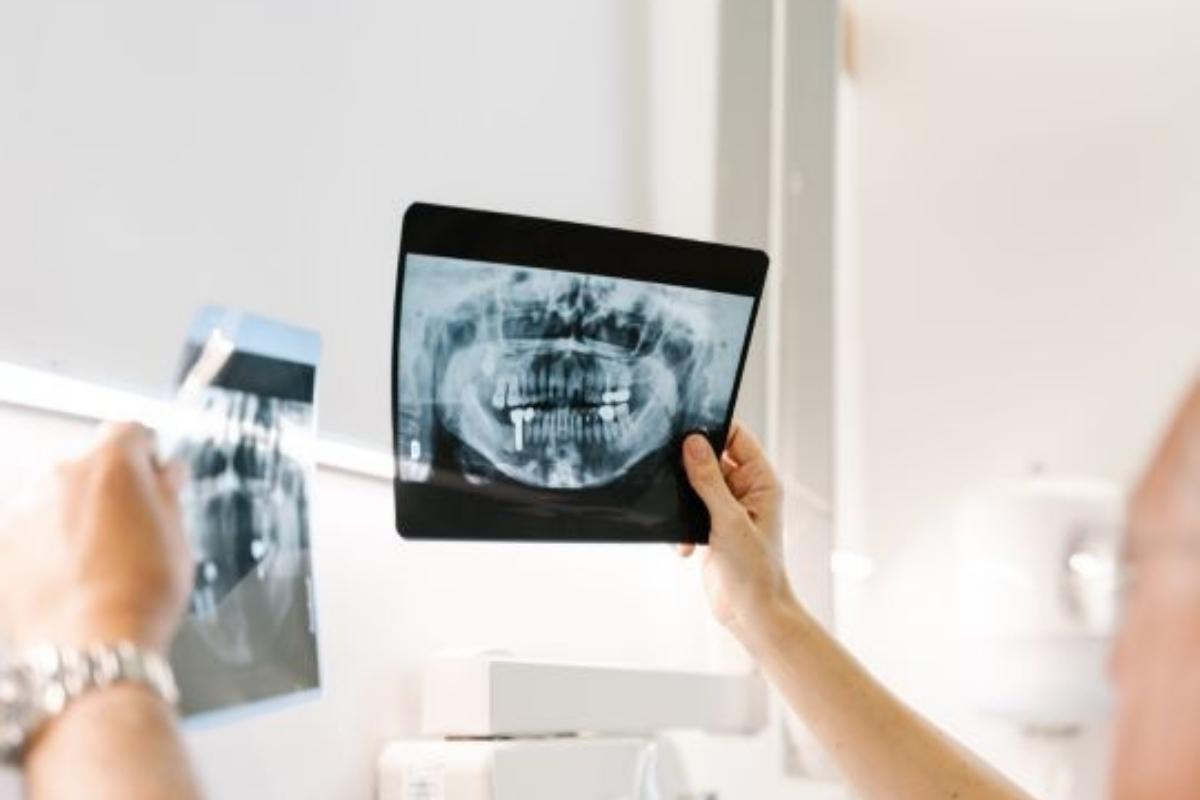
Routine brushing at home plays a significant role in preventing oral disease, but it’s not always enough. Professional cleanings at a trusted veterinary clinic ensure that tartar buildup is removed from below the gum line, where toothbrushes cannot reach. Preventive dental care also allows veterinarians to detect problems early, reducing the risk of drooling caused by advanced disease.
Pet owners seeking guidance may consult a vet for comprehensive dental exams, cleanings, and pet dental in Walnut Creek, tailored to their furry companions.
When Drooling Means an Emergency
While most cases of excessive drooling stem from dental concerns, sometimes the problem signals an emergency. Ingestion of toxins, such as poisonous plants or household chemicals, can cause sudden, uncontrolled salivation.
Heatstroke and nausea may also trigger similar symptoms. If your pet suddenly drools excessively, especially with additional signs like vomiting, lethargy, or swelling around the mouth, seek immediate care from an animal hospital or your local emergency veterinary service.
Building Better Habits: At-Home Dental Care Tips
Caring for your pet’s teeth doesn’t have to be overwhelming. Here are simple ways to reduce the risk of drooling caused by oral problems:
- Brush regularly: Use pet-safe toothpaste and aim for a few brushing sessions each week.
- Offer dental chews and toys: These help scrape plaque and keep teeth strong.
- Schedule annual check-ups: Professional exams detect early dental issues before they cause discomfort.
- Watch for signs: Monitor your pet’s breath, chewing habits, and drooling patterns for sudden changes.
While a little slobber may seem harmless, excessive drooling can be your pet’s way of signaling that something isn’t right. Since oral issues are a leading cause, paying attention to dental care is essential. By combining routine home care with professional veterinary visits, you can protect your furry companion from discomfort, pain, and serious health problems.
After all, a healthy mouth means fewer puddles of drool, a fresher-smelling pet, and—most importantly—a happier life together.