Read Our Pharmacy Prescription Policy Update!


What to Expect During Your Pet’s Annual Wellness Exam
Your pet can’t tell you when something feels off. That’s what makes a pet annual wellness exam one of the most important things you can do for your dog or cat every year. Many serious health conditions have no visible symptoms in the early stages. A routine checkup gives your veterinarian a chance to catch problems before they become serious. It also gives you a clear picture of where your pet’s health stands right now. Whether your pet is a playful puppy, a senior dog slowing down, or an indoor cat who seems perfectly fine, annual exams matter. This article walks you through exactly what happens during a wellness visit so you know what to expect and how to prepare.
Why Annual Vet Visits Are Essential for Pet Health
Pets age faster than people. A single year in a dog’s or cat’s life can represent several human years of physical change. That pace of aging is one reason yearly checkups carry so much weight.
Dental disease affects an estimated 80% of dogs and 70% of cats by age three. Most pet owners never notice the signs until the condition has progressed significantly. A wellness exam catches issues like this early, when treatment is simpler and less costly.
In our experience, pets brought in for regular annual visits are far more likely to receive timely interventions for conditions like thyroid disease, kidney decline, and early-stage diabetes. Preventive care consistently produces better outcomes than reactive treatment.
A yearly visit also establishes a health baseline for your pet. Your vet documents weight, heart rate, coat condition, and other markers. When something changes year to year, that baseline makes it easy to identify and respond to the shift.
What Does a Vet Check During a Wellness Exam?
A veterinary wellness exam is a head-to-tail physical assessment. Your vet checks every major body system in a single visit.
Here is what a standard exam covers:
- Weight and body condition: Your vet records your pet’s weight and assesses muscle mass and fat distribution. Unexpected weight changes often signal underlying health issues.
- Eyes, ears, and nose: Your vet looks for discharge, inflammation, cloudiness, or signs of infection.
- Mouth and teeth: Gum color, tooth condition, and signs of periodontal disease are assessed. Bad breath is rarely harmless.
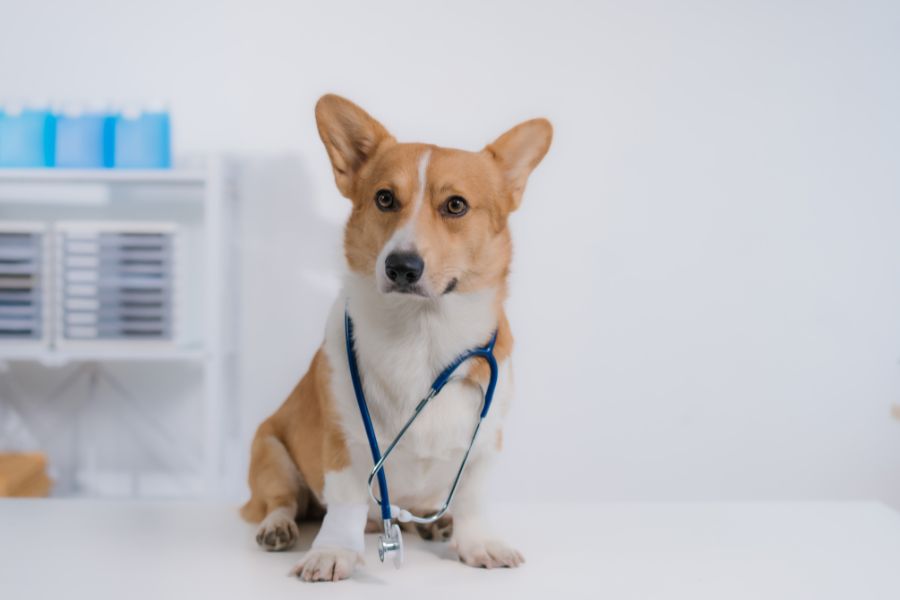
- Heart and lungs: Your vet listens for irregular rhythms, murmurs, or abnormal breath sounds with a stethoscope.
- Abdomen: Your vet feels the abdomen for organ size, tenderness, or unusual masses.
- Skin and coat: Dryness, hair loss, parasites, lumps, and skin infections are all checked here.
- Joints and mobility: Range of motion is assessed, especially in senior pets where arthritis develops gradually and silently.
- Lymph nodes: Swollen nodes can signal infection or immune response.
This full assessment covers what vets check during exam visits so thoroughly because many conditions coexist. Missing one system can mean missing the connection between symptoms.
Signs Your Pet Is Overdue for a Checkup
Pet owners often tell us they skipped last year’s visit because their pet seemed fine. But many conditions produce no visible signs until they are well advanced. Here are warning signals that mean your pet needs to be seen promptly, not at their next scheduled visit:
- Sudden weight loss or gain: Even a small shift can indicate thyroid issues, diabetes, or organ disease.
- Increased thirst or urination: Drinking or urinating more than usual is a common early sign of kidney disease or diabetes.
- Changes in appetite: Refusing meals or eating dramatically more than usual both warrant evaluation.
- Lethargy or reduced activity: A dog or cat sleeping more than normal or avoiding play needs a checkup.
- Vomiting or loose stool lasting more than 48 hours: Occasional upset happens, but persistence signals something more.
If you notice any of these signs, contact your veterinarian promptly. Waiting for a scheduled visit is not the right call when a symptom is active.
Many dogs we see for excessive thirst are already showing early markers of kidney stress or elevated blood glucose. Catching these cases at the right moment makes a meaningful difference in treatment outcomes.
Vaccines, Parasite Prevention, and Lab Work
A wellness visit is not only a physical exam. Your vet also reviews your pet’s preventive care protocol during this appointment.
Your veterinarian will assess which vaccines are due based on your pet’s age, lifestyle, and risk exposure. Vaccination schedules vary by individual pet. Your vet will recommend the right timing for your animal based on their health history, not a one-size-fits-all calendar.
Parasite prevention is reviewed and updated at this visit. In California, year-round flea, tick, and heartworm prevention is strongly recommended because mild winters allow parasite populations to remain active throughout the year. Your vet will confirm whether your current protocol is appropriate or needs adjustment.
Lab work is often recommended alongside the physical exam. A blood panel and urinalysis give your vet a clear view of organ function, red and white blood cell counts, and other internal markers that a physical exam alone cannot reveal. For senior pets over seven years, lab work is especially important and may be recommended every six months rather than once yearly.
Keeping pets healthy year-round depends on combining the physical exam with these preventive care components, not treating them as separate or optional.
How to Prepare for Your Pet’s Wellness Visit
A little preparation helps your vet get more from the appointment and keeps your pet calmer during the visit.
Here is what to do before you arrive in Walnut Creek:
- Write down your questions in advance. Behavior changes, dietary habits, new lumps, or anything you have noticed at home should be mentioned. A list keeps you from forgetting during the visit.
- Bring a stool sample if possible. A fresh sample collected within 12 hours of the appointment allows your vet to check for intestinal parasites quickly.
- Note your pet’s diet and supplements. Your vet needs to know what your pet eats daily, including any treats, chews, or over-the-counter supplements.
- Arrive calm. Pets read their owners’ stress. A relaxed carrier environment, a familiar blanket, or a short pre-visit walk can reduce anxiety significantly.
- Bring vaccination records if your pet is new to the practice. Prior records help your vet build an accurate health history without gaps.
We frequently remind our clients that the wellness visit is a conversation, not just an exam. Your observations at home are just as valuable as what your vet finds in the clinic.
One common misconception is that indoor cats do not need annual exams. Indoor cats are still exposed to pathogens, can develop dental disease, gain weight gradually, and face the same age-related conditions as outdoor cats. Every cat benefits from a yearly visit, regardless of lifestyle. Animal Care Hospital of Walnut Creek sees indoor cats regularly for conditions that went unnoticed for years simply because owners assumed “inside only” meant “low risk.”
Conclusion
A pet annual wellness exam is the foundation of your pet’s long-term health. It catches problems early, keeps preventive care on track, and gives you a trusted picture of how your animal is doing from year to year. Regular visits protect your pet’s quality of life at every age. Whether you have a young puppy, an aging cat, or a healthy adult dog, annual exams should never be skipped based on the assumption that everything is fine. Reach out to Animal Care Hospital of Walnut Creek to schedule your pet’s next visit and keep their health moving in the right direction. Book an appointment today.
Frequently Asked Questions
Q: What happens during a dog annual wellness exam?
Ans: Your vet performs a full head-to-tail physical assessment, checking the eyes, ears, teeth, heart, lungs, abdomen, skin, coat, joints, and lymph nodes. Vaccines and parasite prevention are also reviewed, and lab work may be recommended depending on your dog’s age and health history.
Q: How often should cats get a yearly vet checkup?
Ans: Cats should visit their vet at least once per year for a wellness exam. Senior cats over seven years old may benefit from a checkup every six months, since age-related conditions can progress quickly.
Q: Do indoor cats need an annual vet visit?
Ans: Yes. Indoor cats are still at risk for dental disease, weight gain, thyroid issues, kidney disease, and other age-related conditions. An annual exam ensures these issues are caught early, regardless of whether your cat goes outside.
Q: What should I bring to my pet’s wellness exam?
Ans: Bring a fresh stool sample if possible, your pet’s vaccination records if they are new to the practice, a list of any medications or supplements they take, and any questions or observations you have noticed at home.
Q: At what age should pets start getting yearly vet checkups?
Ans: Annual wellness visits should begin in the first year of life and continue every year throughout your pet’s life. Puppies and kittens may need more frequent visits during their first year for vaccines and developmental monitoring.