Read Our Pharmacy Prescription Policy Update!


Common Signs of UTI in Dogs and What to Do Next
Your dog asked to go outside three times in the past hour. When they finally went, only a few drops came out. If that scene sounds familiar, your dog may be dealing with a urinary tract infection. Signs of UTI in dogs are easy to overlook at first because they can mimic other common conditions. But catching the problem early makes a real difference in how quickly and comfortably your dog recovers. This guide walks you through what a UTI is, how to spot it, what causes it, and exactly what steps to take when you notice something is off. The sooner you act, the better the outcome for your dog.
Understanding Urinary Tract Infections in Dogs
A urinary tract infection occurs when bacteria enter the urinary system and multiply in the bladder, urethra, or kidneys. The bladder is the most commonly affected area, and the condition is referred to as bacterial cystitis in veterinary medicine.
UTIs are more common in dogs than most pet owners realize. Estimates suggest that up to 14% of dogs will experience at least one urinary tract infection during their lifetime. Female dogs are significantly more prone to UTIs because their shorter, wider urethra makes it easier for bacteria to travel upward into the bladder. However, male dogs are not immune, and older dogs of any gender face higher risk due to changes in immune function and bladder muscle tone.
Certain health conditions also increase vulnerability. Dogs with diabetes, Cushing’s disease, or kidney disease are more likely to develop recurring infections. In some cases, what appears to be a straightforward infection may signal an underlying issue that needs separate attention.
Signs and Symptoms to Watch For
Recognizing dog urinary tract infection symptoms early gives your veterinarian the best chance to treat the infection before it spreads. Here are the most important signs to know:
- Frequent, urgent urination: Your dog asks to go out repeatedly but produces very little urine each time. The urgency is real, but output is minimal.
- Straining or crying during urination: Any visible discomfort, whimpering, or prolonged squatting without results warrants a call to your vet.
- Blood in the urine: Urine that appears pink, red, or cloudy is a clear warning sign and should never be dismissed as minor.
- Strong or foul-smelling urine: A noticeably sharp or unusual odor can indicate bacterial activity in the bladder.
- Accidents indoors: A house-trained dog suddenly urinating inside is often responding to urgency they cannot control, not behavioral issues.
- Excessive licking of the genital area: Dogs often lick the area around the urinary opening when they feel irritation or discomfort.
If you notice any of these signs, contact your veterinarian promptly. Dogs do not outgrow UTIs on their own, and untreated infections can progress to the kidneys, which is far more serious.
In clinical practice, one of the most consistent observations is that pet owners initially assume their dog is simply acting out or being difficult when accidents start happening indoors. In most cases, those accidents are the dog’s only way of communicating real physical discomfort.
Causes and Risk Factors
Understanding dog frequent urination causes helps you identify whether your dog may be at higher risk and what preventive steps make sense going forward.
The most common cause of a UTI is an overgrowth of bacteria, most often E. coli, that travels up through the urethra and takes hold in the bladder. This can happen after grooming, bathing, or simply through normal activity if your dog’s immune system is compromised.
Anatomical factors play a meaningful role in female dogs. Breeds with deep skin folds near the vulva, such as English Bulldogs and Pugs, are more susceptible because moisture and bacteria can accumulate in those areas. Spayed female dogs also experience hormonal changes that can thin the tissue around the urethra, reducing its natural defenses.
In male dogs, an enlarged prostate is one of the more common contributing factors, particularly in intact older dogs. Bladder stones are another significant risk factor in both sexes, as they can irritate the bladder lining and create an environment where bacteria thrive.
Dogs who do not drink enough water, or who are not given regular opportunities to urinate throughout the day, are also at elevated risk. Dog frequent urination causes are not always obvious from the outside, which is why diagnostic testing matters so much.
How UTIs Are Diagnosed and Treated
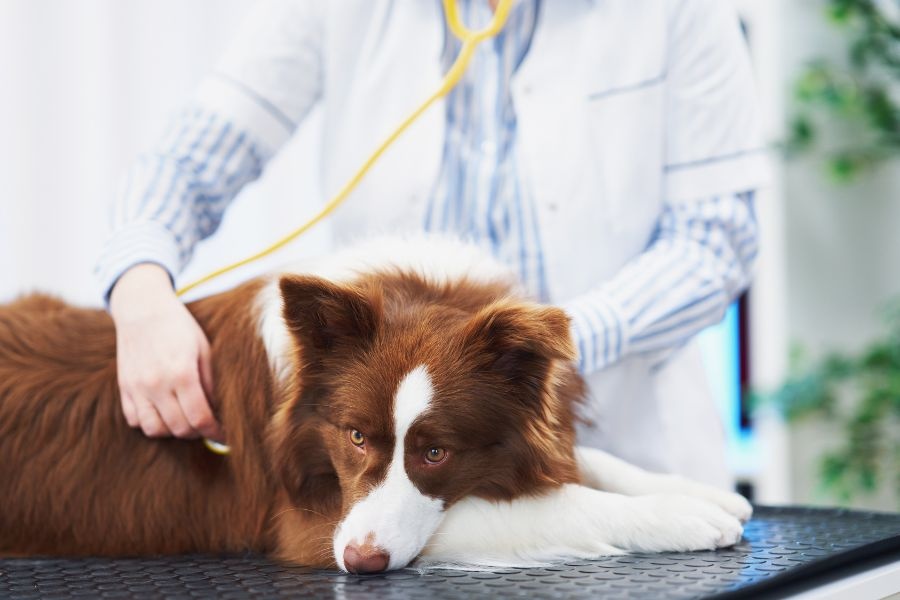
If your veterinarian suspects a urinary tract infection based on your dog’s symptoms, they will typically confirm it through a urinalysis. This test examines the urine for bacteria, white blood cells, red blood cells, and crystals. In many cases, a urine culture is also recommended to identify the specific bacteria involved and determine which antibiotic will be most effective.
Here is what the diagnostic and treatment process generally looks like:
- Urinalysis: A urine sample is evaluated in-clinic for signs of infection and abnormal cell counts.
- Urine culture and sensitivity: The sample is sent to a lab to identify the exact bacterial strain and the antibiotic it responds to best.
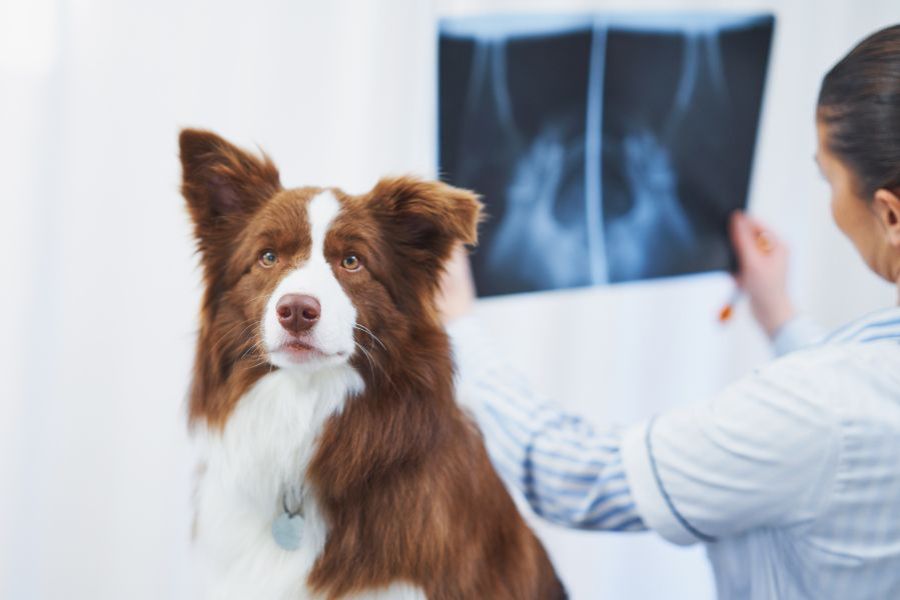
- Additional imaging if needed: If bladder stones, masses, or structural abnormalities are suspected, an ultrasound or X-ray may be recommended.
- Antibiotic prescription: Once the causative bacteria are identified, your vet prescribes the appropriate antibiotic course. Treatment duration depends on infection severity.
- Follow-up urinalysis: After completing the antibiotic course, a recheck urinalysis confirms the infection has fully cleared.
UTI diagnosis and treatment in dogs is straightforward in most uncomplicated cases. Dogs typically begin feeling noticeably better within two to three days of starting antibiotics, though completing the full course is essential even if symptoms resolve early. Stopping antibiotic treatment early is one of the most common reasons infections return.
For dogs with recurring UTIs, your veterinarian may investigate whether an underlying condition is contributing. Additional diagnostics such as bloodwork or hormonal testing may be recommended.
Prevention and Home Care Tips
Preventing UTIs entirely is not always possible, but there are practical steps that meaningfully reduce your dog’s risk. Here is how to support your dog’s urinary health at home:
- Keep fresh water available at all times. Adequate hydration dilutes the urine and flushes bacteria out of the bladder before infections can establish.
- Provide regular bathroom breaks. Dogs that hold their urine for extended periods have longer exposure to bacteria in the bladder. Aim for bathroom access every four to six hours.
- Keep the genital area clean and dry. After baths or swims, gently dry the area around the vulva or prepuce to prevent bacterial buildup.
- Schedule routine wellness exams. Annual or biannual checkups allow your vet to catch subtle changes in urine or bloodwork before they become infections.
- Watch for early warning signs. Catching the problem at the first accident or first sign of straining leads to faster treatment and a more comfortable recovery for your dog.
A common misconception among dog owners is that a UTI will clear up with cranberry supplements or increased water intake alone. While hydration supports urinary health, it does not eliminate a bacterial infection that has already taken hold. Once bacteria have colonized the bladder, veterinary treatment is necessary.
When you bring your dog to Animal Care Hospital of Walnut Creek, the vet team conducts a thorough evaluation before recommending any treatment, ensuring your dog gets the most accurate diagnosis and the most targeted care possible.
When to Call Your Vet Right Away
Most UTIs are manageable with prompt outpatient care. However, certain situations require immediate veterinary attention rather than a wait-and-see approach.
Contact your vet the same day if your dog:
- Has not urinated at all in 12 or more hours despite trying
- Is crying out in pain during urination attempts
- Has blood in the urine combined with lethargy or loss of appetite
- Is showing signs of back or abdominal pain
These symptoms may indicate a kidney infection or a urinary blockage, both of which require urgent care. Male cats and male dogs with blockages face serious health risks if not seen promptly, as blockages prevent urine from leaving the body entirely.
Conclusion
Catching the signs of UTI in dogs early is one of the most straightforward ways to protect your dog from unnecessary discomfort and complications. If your dog is straining, having accidents, or showing any of the symptoms described above, do not wait to see if things improve on their own. A simple urinalysis is often all it takes to get the answers you need and start your dog on the path to feeling better. The vet team at Animal Care Hospital of Walnut Creek is here to help with thorough diagnostics, clear guidance, and compassionate care for every patient. Book an appointment today.
Frequently Asked Questions
Q: Can a dog’s UTI go away on its own without treatment?
Ans: In most cases, a bacterial UTI will not resolve without antibiotics. While mild symptoms might seem to come and go, the underlying infection typically persists and can worsen over time. Untreated UTIs can spread to the kidneys and cause more serious illness. Veterinary treatment is always recommended once a UTI is suspected.
Q: How do vets collect a urine sample from a dog?
Ans: The most accurate method is called cystocentesis, where your vet uses a small needle to collect urine directly from the bladder. This method prevents contamination from the skin or environment. A free-catch sample collected at home can also be used for initial screening, though it is less precise for bacterial culture.
Q: How long does it take for a dog to recover from a UTI?
Ans: Most dogs begin to feel noticeably better within two to three days of starting the correct antibiotic. Full recovery typically takes seven to fourteen days, depending on the severity of the infection and the antibiotic prescribed. It is important to complete the entire course of medication even if your dog seems fully recovered before it is finished.
Q: Are female dogs more likely to get UTIs than male dogs?
Ans: Yes. Female dogs have a shorter, wider urethra, which makes it easier for bacteria to travel up into the bladder. Spayed females are also more susceptible due to hormonal changes that can affect the urethral tissue. That said, male dogs can and do develop UTIs, particularly older intact males or those with prostate enlargement.
Q: What foods or supplements support urinary health in dogs?
Ans: Keeping your dog well hydrated is the single most effective dietary step you can take. Wet food can help increase fluid intake. Some veterinarians recommend specific urinary support diets for dogs with recurring infections or bladder stones. Always consult your vet before adding any supplements, as some marketed urinary products have limited evidence behind them, and certain ingredients may be harmful to dogs with existing conditions.