Read Our Pharmacy Prescription Policy Update!


Natural Ways to Reduce Social Anxiety in Dogs: Vet Guide
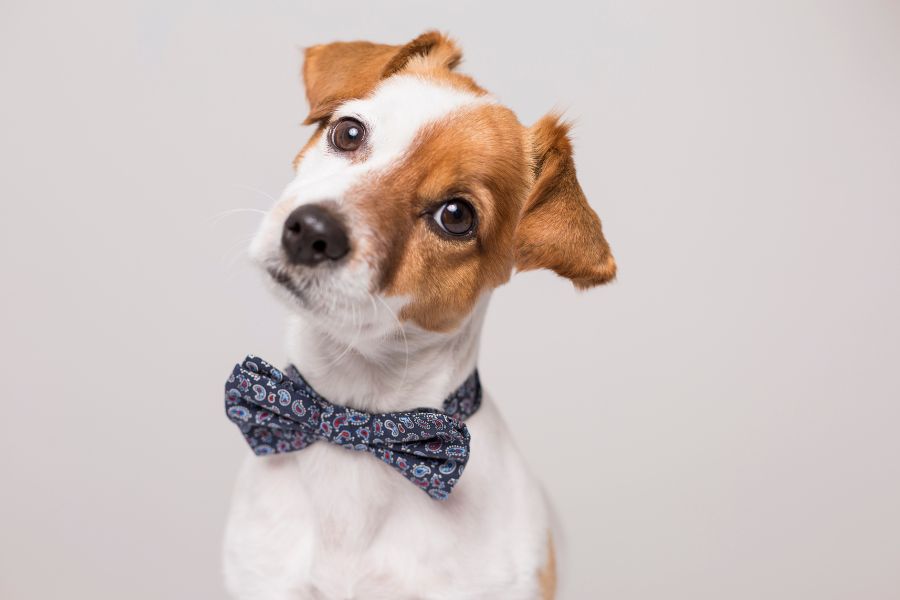
Does your dog cower, bark, or hide when guests arrive or other dogs approach? Social anxiety in dogs is more common than most owners realize, and it can turn simple outings into stressful events for everyone involved. Many pet parents search for natural remedies dog anxiety owners can try before considering medication. This guide covers what causes social anxiety in dogs, how to recognize it, and practical, vet-backed steps you can start using today. With patience and the right approach, most dogs can learn to feel calmer around new people, animals, and environments. Understanding the root cause is the first step toward real progress, not just temporary relief.
Understanding Social Anxiety in Dogs
Social anxiety in dogs shows up as fear or discomfort around unfamiliar people, animals, or environments. It is different from normal caution. It involves a persistent stress response that can affect a dog’s quality of life. Estimates suggest that a notable portion of dogs seen in general practice show some form of anxiety-related behavior at some point in their lives.
In our experience, social anxiety often develops from a combination of genetics, early life experiences, and limited exposure to new situations during puppyhood. Dogs who missed proper socialization between 3 and 14 weeks of age are more prone to developing fearful responses later on. Some breeds are also more predisposed to nervous temperaments, though any dog can develop social anxiety regardless of breed.
Why Early Recognition Matters
Catching dog social anxiety signs early makes management far easier. Left unaddressed, anxious behavior can escalate into reactivity, aggression, or complete social withdrawal.
Signs and Symptoms to Watch For
Recognizing dog social anxiety signs early helps prevent the behavior from worsening over time. Common signs include:
- Excessive panting or drooling when meeting new people or animals
- Tucked tail and lowered body posture during introductions
- Hiding behind furniture or the owner when visitors arrive
- Barking or growling that stems from fear rather than aggression
- Avoidance behavior, such as refusing to walk toward other dogs
Pet owners often tell us they assumed their dog was simply “shy” for years before realizing the behavior was rooted in genuine anxiety. If you notice any of these signs, contact your veterinarian promptly to rule out pain or medical causes contributing to the behavior.
Causes and Risk Factors
Several factors contribute to social anxiety in dogs. Genetics plays a meaningful role, as does the quality and amount of early socialization a puppy received. Dogs adopted from shelters or those with unknown early histories often show higher rates of social anxiety, likely due to limited early exposure or past negative experiences.
Age also matters. Senior dogs can develop new anxiety around people or other animals due to declining vision, hearing, or cognitive changes. Environmental stressors, such as moving homes or the loss of a companion animal, can trigger or worsen existing anxiety as well.
In the Bay Area, we see this more often in dogs adopted during the pandemic years, many of whom missed critical early socialization windows due to limited public interaction at the time.
Natural Remedies and Calming Aids
There are several calming aids for dogs that support anxiety management without relying solely on prescription medication. These work best when combined with consistent training rather than used alone.
- Structured exposure – Gradually introduce your dog to new people or dogs at a distance where they remain calm, slowly decreasing that distance over time.
- Pressure wraps – Snug-fitting anxiety vests apply gentle, constant pressure that can have a calming effect similar to swaddling.
- Calming pheromone diffusers – These mimic natural canine appeasing pheromones and may reduce baseline stress levels at home.
- Physical exercise – Regular aerobic activity helps burn off nervous energy and supports more balanced behavior overall.
- Enrichment activities – Puzzle feeders and scent work redirect focus and build confidence independent of social interaction.
Many dogs we see respond well to a combination of these approaches within a few weeks, though consistency matters more than any single tool. Dog anxiety supplements natural in origin, such as certain amino acid or herbal blends, may also help support a calmer baseline, though you should always check with your veterinarian before starting any supplement to ensure it is appropriate for your dog’s health history.
How to Socialize an Anxious Dog Safely
Learning how to socialize anxious dog companions requires patience and a slow, structured approach rather than forcing interaction.
Start in low-stimulation environments before progressing to busier settings. A quiet backyard introduction with one calm, familiar dog is a far better starting point than a crowded dog park. Reward calm behavior immediately with treats or praise, and never punish fearful reactions, as this can increase anxiety rather than reduce it.
It’s a common misconception that anxious dogs simply need to be “thrown into” social situations to get used to them. In reality, forced exposure often deepens fear responses and can create lasting negative associations. Gradual, positive exposure paired with a way out if the dog becomes overwhelmed produces far more reliable long-term results.
What Are Natural Ways to Calm an Anxious Dog?
Natural ways to calm an anxious dog include gradual positive exposure, pressure wraps, calming pheromone diffusers, regular exercise, and enrichment activities like puzzle feeders. These methods work best when applied consistently over several weeks rather than as one-time fixes. For dogs with moderate to severe anxiety, veterinary guidance ensures the approach is safe and tailored to the individual dog.
When to See a Veterinarian
Home strategies work well for mild to moderate cases, but some dogs need additional support. If anxiety leads to self-injury, aggression, or a significant decline in quality of life, veterinary care is warranted. Our team at Animal Care Hospital of Walnut Creek can help rule out underlying medical causes and discuss additional options if natural approaches alone aren’t providing enough relief.
Managing social anxiety in dogs takes consistency, patience, and the right combination of tools. Recognizing dog social anxiety signs early and starting with gentle exposure, calming aids, and enrichment gives most dogs a real path toward feeling more comfortable in social settings. Natural remedies dog anxiety solutions can make a meaningful difference, but they work best paired with professional guidance when needed. If your dog’s anxiety isn’t improving or seems to be getting worse, Animal Care Hospital of Walnut Creek is here to help you build a plan that fits your dog’s individual needs. Book an appointment today.
Frequently Asked Questions
Q: What are the signs of social anxiety in dogs?
Ans: Common signs include tucked tail, hiding, excessive panting, avoidance of other dogs or people, and fear-based barking or growling during introductions.
Q: Can social anxiety in dogs be treated without medication?
Ans: Yes, many dogs improve significantly with gradual socialization, calming aids, exercise, and enrichment activities, though severe cases may benefit from additional veterinary support.
Q: At what age does social anxiety usually develop in dogs?
Ans: It often traces back to limited socialization between 3 and 14 weeks of age, though it can also develop later due to trauma, aging, or environmental changes.
Q: Do calming vests actually work for anxious dogs?
Ans: Many dogs respond well to the gentle, constant pressure of a calming vest, though effectiveness varies by individual and works best alongside other strategies.
Q: When should I take my anxious dog to the vet?
Ans: See a veterinarian if anxiety causes self-injury, aggression, or a noticeable decline in your dog’s daily quality of life.