Read Our Pharmacy Prescription Policy Update!


Pet Wellness Exam: Why Twice-Yearly Vet Visits Matter
Your pet cannot tell you when something feels wrong. That is the reality every pet owner lives with, and it is exactly why a pet wellness exam vet visit is one of the most important things you can do for your dog or cat. Wellness exams are not just for sick animals. They are scheduled, proactive checkups designed to catch problems before your pet shows any outward signs of illness. Most conditions found early from heart murmurs to early kidney changes are far more manageable when detected before symptoms appear. If your pet sees the vet only when something seems wrong, you are already behind. Twice-yearly visits close that gap. This article explains what these exams cover, why the twice-a-year schedule matters, what to expect during the visit, and how to make the most of every appointment.
The Real Purpose Behind Routine Pet Care
A veterinary wellness exam is a full-body health evaluation performed by a licensed veterinarian. It is not a quick look-over. During a standard checkup, your vet assesses your pet from nose to tail, reviewing every major body system to build a complete picture of their current health.
Preventive care like this is far more effective than reactive treatment. Studies in veterinary medicine consistently show that pets receiving regular wellness exams live longer, healthier lives than those seen only when ill. Dental disease, for example, affects an estimated 80% of dogs and 70% of cats over age three yet most pet owners do not notice a problem until pain or tooth loss is already present.
Twice-yearly visits matter because pets age far faster than humans. A single year in a dog’s or cat’s life can represent five to seven human years of biological change. Waiting twelve months between checkups means significant health developments can go undetected. Twice-yearly scheduling shortens that window and gives your vet the data needed to track trends, not just snapshots.
The annual vet visit benefits most pet owners already understand: vaccines, parasite prevention, and a general health update. But the twice-yearly model adds a second data point every year, which is where real pattern recognition begins. Weight changes, subtle organ shifts, early dental progression none of these are visible to the naked eye at home, but they show up clearly when a vet has two comparison visits per year.
Warning Signs Your Pet May Be Overdue for a Checkup
Pets are instinctively good at hiding discomfort. By the time a problem is obvious enough for you to notice, it has often been developing for weeks or months. Here are the signs your pet needs vet attention before the next scheduled visit:
- Unexplained weight change: Gaining or losing weight without a diet change can signal thyroid issues, diabetes, or organ disease.
- Increased thirst or urination: These are among the earliest observable signs of kidney disease or diabetes in both dogs and cats.
- Persistent bad breath: Often dismissed as normal, bad breath in pets is usually a sign of dental disease that requires treatment.
- Changes in coat or skin: Dullness, excessive shedding, or skin irritation can point to allergies, nutritional deficiencies, or hormonal imbalance.
- Lethargy or reduced activity: A dog or cat that is less playful or slower to rise may be managing pain or early organ disease.
- Changes in eating habits: Skipping meals, eating more slowly, or dropping food can all indicate dental pain or nausea.
If you notice any of these signs, contact your veterinarian promptly. Do not wait for the next scheduled appointment. And if your pet is showing none of these signs, that is the best time to come in when there is still time to act.
Many pet owners are surprised to learn that their cat’s gradual weight loss over six months was actually early kidney disease. Cats are especially skilled at appearing healthy long past the point where intervention would have been easiest.
What Happens During a Pet Wellness Exam
Knowing what to expect helps you prepare and get the most out of every visit. Here is what a comprehensive pet wellness exam typically covers:
- Weight and body condition score: Your vet records current weight and evaluates body composition to catch obesity or unintended weight loss early.
- Eyes and ears: Checked for discharge, redness, cloudiness, inflammation, or early signs of infection.
- Mouth and teeth: Gum color, tartar buildup, tooth condition, and signs of pain or dental disease are all assessed.
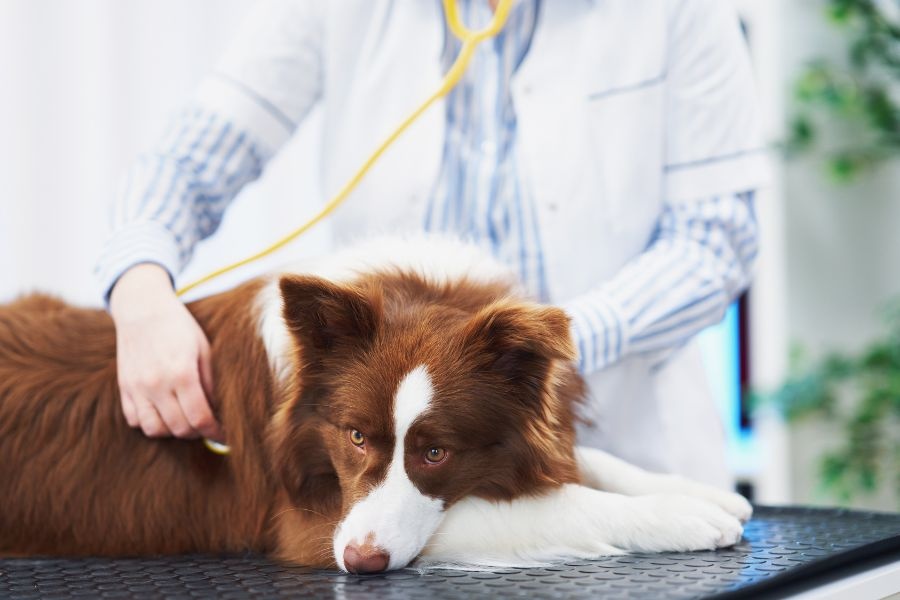
- Heart and lungs: Your vet listens carefully with a stethoscope for murmurs, arrhythmias, or abnormal lung sounds.
- Abdomen: Gentle palpation checks for organ size, pain response, or unusual masses.
- Skin and coat: Evaluated for parasites, lesions, lumps, or signs of allergic reaction.
- Lymph nodes: Swollen nodes can be an early indicator of infection or immune system activity.
- Musculoskeletal check: Gait, joint mobility, and muscle tone are assessed, especially important for senior pets.
- Parasite screening: Fecal testing and heartworm screening are often included or recommended.
- Vaccine review: Your vet reviews your pet’s current vaccine status and recommends any updates based on lifestyle and risk.
In Walnut Creek, CA, where warm, dry summers and mild winters create year-round outdoor activity for pets, parasite exposure and environmental allergies are common topics during these visits. Your vet will factor in your local environment when making preventive care recommendations.
Why “Healthy-Looking” Is Not the Same as Healthy
This is the misconception that delays care more than any other: if a pet looks fine, they must be fine. Veterinarians hear this regularly, and it is one of the most important beliefs to correct.
Internal organ disease, early tumor development, high blood pressure, and dental pain can all be present in an animal that is eating normally, playing regularly, and appearing outwardly comfortable. Pets compensate for discomfort instinctively. It is a survival mechanism that served wild animals well and now masks problems in our household companions.
Pet preventive care checkup visits exist precisely because the visual signs come last, not first. Blood panels, urinalysis, and physical assessments reveal what behavior and appearance cannot. A twice-yearly schedule means your vet is not guessing based on a single data point. They are reading trends.
Signs your pet needs vet attention are not always dramatic. Gradual changes a half-pound weight drop over three months, slightly cloudy eyes, gums that are just a shade paler than before are the ones that matter most and the ones only a trained veterinarian will catch on exam.
How to Choose the Right Veterinary Partner for Preventive Care
Not all preventive care experiences are equal. When selecting a clinic for twice-yearly vet visits, look for a team that:
- Takes time to explain findings in plain language, not just medical shorthand
- Keeps detailed records that allow for year-over-year comparison
- Offers both dogs and cats a calm, low-stress exam environment
- Provides proactive guidance between visits, not just reactive treatment
- Is consistent the same vet seeing your pet across visits builds context that a rotating team cannot replicate
In Walnut Creek, CA, pet owners have found that continuity of care makes a measurable difference in how quickly problems are caught and how confidently treatment decisions are made.
Animal Care Hospital of Walnut Creek offers comprehensive wellness exams for dogs and cats, with a focus on building long-term health baselines that make every subsequent visit more informative than the last.
Why Twice a Year Is the Right Schedule
The twice-yearly recommendation is not arbitrary. It reflects the biological reality that pets age rapidly and that the gap between annual visits is simply too long to catch many developing conditions in time to act effectively.
A pet wellness exam vet visit every six months gives your veterinarian two meaningful health snapshots per year. It means a weight change is flagged at three months, not nine. It means dental disease is caught at stage one, not stage three. It means your pet gets more years of comfortable, active life, and you get more time with them. Schedule your pet visits now, even if your pet seems perfectly healthy.
Frequently Asked Questions
Q: How often should I bring my pet in for a wellness exam?
Ans: Veterinarians recommend twice-yearly wellness exams for most adult dogs and cats. Senior pets (generally age 7 and older) benefit especially from this schedule because age-related changes can progress quickly between visits.
Q: What is included in a pet wellness exam?
Ans: A comprehensive wellness exam typically includes a full physical assessment covering eyes, ears, teeth, heart, lungs, abdomen, skin, coat, lymph nodes, and joints. Your vet will also review vaccines, discuss parasite prevention, and may recommend bloodwork or urinalysis based on your pet’s age and health history.
Q: Do young, healthy pets really need twice-yearly vet visits?
Ans: Yes. Young pets can develop conditions with no outward symptoms, and establishing a health baseline early makes it far easier to detect changes later. The twice-yearly schedule also helps your pet stay comfortable with veterinary visits, which reduces stress as they age.
Q: How do I prepare my pet for a wellness exam?
Ans: Bring any previous medical records if you are visiting a new clinic, note any behavioral or physical changes you have observed at home, and bring a fresh stool sample if your vet has requested parasite screening. Keeping your pet calm during travel with familiar bedding or a carrier they are used to also helps.
Q: What is the difference between a wellness exam and a sick visit?
Ans: A wellness exam is a scheduled preventive care visit for a pet that appears healthy. The goal is early detection and health monitoring. A sick visit addresses a specific problem or symptom your pet is already showing. Both are important, but wellness exams are what prevent many sick visits from becoming necessary in the first place.