Read Our Pharmacy Prescription Policy Update!


The Fireworks Are Over — But Is Your Yard Still Safe for Pets?
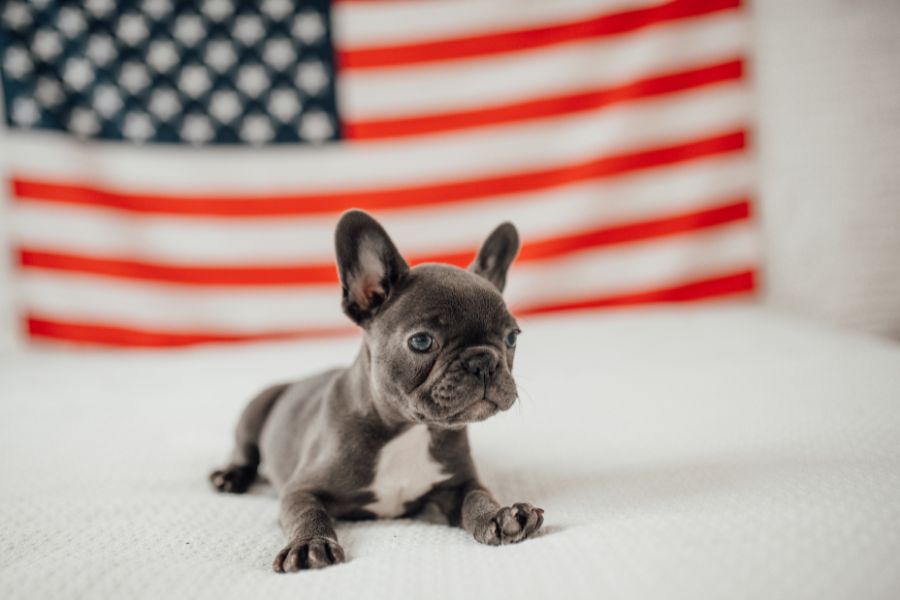
After the Fourth of July celebrations end, many pet owners breathe a sigh of relief. The loud booms are gone, the guests have left, and things are quiet again. But if you think the danger to your pet is over, think again.
The aftermath of fireworks and parties can leave behind a variety of hidden hazards in your yard, ones that could put your furry friend at serious risk. Whether it’s leftover debris, food scraps, or chemical residue, a thorough post-fireworks cleanup is essential to ensure your yard is once again a safe space for pets to roam freely.
Hidden Hazards Lurking in Your Yard
1. Firework Debris: A Toxic Temptation
Fireworks often leave behind colorful but dangerous debris—spent casings, unexploded fragments, or paper remnants. These items may contain chemicals like potassium nitrate, heavy metals, or sulfur, all of which can be toxic if chewed or swallowed by your pet. Dogs, especially, are known for their curiosity and tendency to explore with their mouths.
What to do:
- Walk your yard thoroughly the next morning and remove any fireworks pieces, even the tiny ones.
- Dispose of debris in a secure trash can that pets can’t access.
2. Food Scraps and Party Leftovers
Holiday cookouts mean food—lots of it. But those tasty leftovers can be a danger zone for pets. Bones, greasy meats, corn cobs, and alcohol spills are common party remnants that may have ended up in your yard.
Why it’s risky:
- Cooked bones can splinter and cause choking or internal injuries.
- Greasy or fatty foods may trigger pancreatitis in dogs.
- Alcohol and certain sweets can be toxic to both cats and dogs.
Cleanup Tip:
Double-check under picnic tables, grills, and patio areas for food scraps. Ensure trash bags used during the party are securely tied and stored out of reach.
Additional Cleanup Measures for Pet Safety
3. Check for Lost Party Supplies
Glow sticks, sparklers, plastic utensils, and even decorations can be forgotten in the lawn or garden after the festivities. While these items might seem harmless, they pose serious choking or poisoning risks to curious pets.
Steps to follow:
- Look for plastic forks, skewers, string lights, balloons, or glow items.
- If you used citronella candles or torches, dispose of them properly—they’re toxic to pets if ingested.
4. Watch Out for Chemical Residue
Many people use lawn treatments, bug sprays, or torch fuel to prep their yards for parties. When combined with fireworks and human traffic, these substances can linger longer than expected, creating a chemical cocktail on the ground.
Precautions to take:
- Hose down surfaces where fireworks were lit or food was spilled.
- Keep your pets off the lawn for 24 to 48 hours if any chemical residue is suspected.
Pet Behavior: The Aftermath Matters Too
5. Is Your Pet Still Anxious?
Even after the noise has stopped, some pets remain anxious or confused. They may be more likely to dart into unsafe areas, dig in the yard, or ingest something they usually wouldn’t.
Behavioral signs to watch for:
- Refusing food
- Hiding or trembling
- Pacing or excessive licking
- Vomiting or diarrhea
If you notice any of these signs after the 4th of July, a visit to the vet may be necessary.
Quick Safety Checklist for Pet Owners
Before letting your pet out into the yard again, go through this post-fireworks safety checklist:
- Pick up all visible firework debris
- Remove food scraps, bones, and trash
- Dispose of plasticware and party items
- Rinse down surfaces and clean potential chemical areas
- Observe your pet for any odd behavior or signs of ingestion
Your Fourth of July celebration may be over, but responsible pet care doesn’t end with the fireworks. Taking the time to do a thorough post-fireworks cleanup helps you avoid emergency vet visits and keeps your furry friends safe and happy. Remember, it’s not just about a clean yard—it’s about a safe one.
By staying vigilant and proactive, you can ensure that your pets enjoy the aftermath of the holiday just as much as you did.