Read Our Pharmacy Prescription Policy Update!


Veterinarian’s Guide to a Safe and Healthy Christmas for Pets
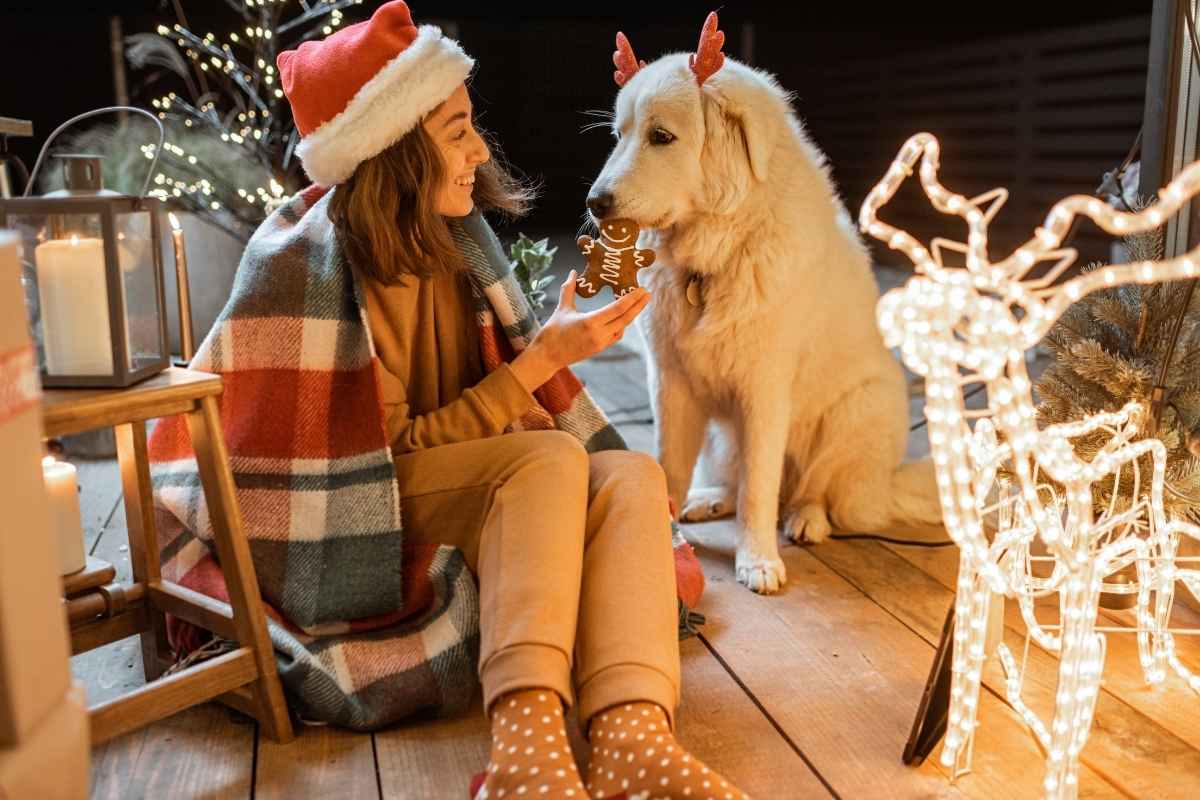
The holidays are a magical time for the whole family, including your four-legged members. For pet parents in Walnut Creek, CA, Christmas often brings new sights, smells, visitors, and routines—and with them, a few hidden risks. With some planning and a veterinarian’s perspective, you can keep the season merry, bright, and safe for your pets.
1. Holiday Foods: What’s Safe and What’s Not
The Christmas table is full of tempting treats, but many are dangerous for pets. Keep these completely off-limits:
- Chocolate (especially dark and baking chocolate)
- Xylitol (found in sugar-free gum, candies, some peanut butters, and baked goods)
- Grapes and raisins (including in fruitcake or trail mixes)
- Onions, garlic, and leeks (in stuffing, gravy, and many savory dishes)
- Alcohol and unbaked yeast dough
- Rich, fatty foods like skin, fat trimmings, and buttery dishes can trigger pancreatitis.
- Cooked bones (turkey, ham, or chicken), which splinter and can cause choking or internal damage
If you want to include your pet in the celebration:
- Offer plain, cooked turkey or chicken with no skin, bones, or seasoning.
- Share plain vegetables such as green beans, carrots, or peas.
- Choose pet-safe holiday treats labeled for dogs or cats.
Remind guests not to sneak your pet “special bites.” A simple sign by the dining table or a quick announcement before the meal can prevent accidental sharing.
2. Dangerous Decorations and Plants
Christmas décor is beautiful, but many items double as pet hazards.
Decorations to watch
- Tinsel and ribbon: Cats, especially, may swallow these, leading to dangerous intestinal blockages. Skip them or use them only in areas pets cannot reach.
- Glass ornaments: Hang fragile ornaments higher on the tree and secure them well. Broken pieces can cut paws and mouths.
- String lights: Chewing cords can cause burns or electric shock. Tape cords down, use cord protectors, and unplug when you’re not around to supervise.
- Candles: Curious pets can knock them over and start fires or burn themselves. Try flameless LED candles for a safer glow.
Holiday plants
Some traditional plants can cause illness if nibbled:
- Mistletoe and holly: Can cause vomiting, diarrhea, and lethargy. Keep out of reach or use artificial versions.
- Lilies: Extremely toxic to cats; even small exposures can cause kidney failure. Avoid them entirely in cat homes.
- Poinsettias: Less dangerous than many think, but can still cause mouth irritation and mild stomach upset.
Choose pet-safe plants or use high shelves and hanging baskets to keep risky ones well away from curious noses.
3. Managing Guests, Noise, and Stress
Even social pets can feel overwhelmed by holiday chaos—doorbells ringing, kids running around, and unfamiliar guests. Stress can lead to hiding, house-soiling, or even aggression.
Create a quiet retreat
- Set up a safe room with your pet’s bed, water, toys, and a litter box for cats.
- Play soft music or white noise to soften loud holiday sounds.
- Ask guests to let pets approach on their own rather than rushing to pet them.
Special considerations
- For pets prone to anxiety, talk with your veterinarian ahead of time about calming options, from supplements or pheromone diffusers to prescription medications if needed.
- Remind visitors to secure doors and gates so pets don’t slip outside during arrivals and departures.
- If kids are visiting, supervise interactions and show them the right way to pet and play.
4. Travel and Boarding Tips
Whether you’re hitting the road or leaving your pet at home or in a boarding facility, a bit of preparation goes a long way.
If your pet is traveling with you
- Use a carrier or harness: Cats and small dogs should ride in secured carriers; larger dogs should use a crash-tested harness attached to the seat belt.
- Pack a pet travel kit: Food, water, bowls, medications, a leash, waste bags, and a familiar blanket or toy.
- Keep ID current: Make sure tags and microchip information are up to date before you go.
- Take frequent rest stops for dogs to stretch, drink, and relieve themselves.
Avoid feeding a large meal right before a long car ride if your pet is prone to motion sickness.
If your pet is staying behind
- Choose a reputable pet sitter or boarding facility well in advance.
- Confirm required vaccinations and parasite preventatives are current.
- Leave detailed instructions: feeding schedule, medications, emergency contacts, and your veterinarian’s phone number.
- For anxious pets, consider a trial daycare or an overnight stay before a longer boarding period to help them adjust.
5. When to Call the Vet: Holiday Emergency Signs
Quick action can save your pet’s life. Contact your veterinarian or an emergency hospital immediately if you notice:
- Repeated vomiting or diarrhea
- Not eating for more than 24 hours (or any missed meal in small, fragile, or diabetic pets)
- Swollen or painful abdomen, restlessness, or whining
- Sudden weakness, collapse, or disorientation
- Persistent coughing, difficulty breathing, or blue-tinged gums
- Exposure to toxic foods, plants, or chemicals, even if your pet seems fine
If you think your pet has eaten something dangerous, don’t wait for symptoms to appear. Call a veterinary professional or a pet poison hotline right away.
6. Keep Christmas Merry and Safe for Your Pets
A safe Christmas doesn’t mean a less joyful one. With a few adjustments—keeping human treats out of reach, choosing pet-friendly decorations, providing a quiet refuge, and planning ahead for travel—you can enjoy the season while protecting your pet’s health and happiness.
If you’d like personalized holiday safety advice or need to plan pre-travel checkups and vaccinations, contact Animal Care Hospital of Walnut Creek to schedule an appointment and ensure your pets are ready for a safe and healthy Christmas.