Read Our Pharmacy Prescription Policy Update!


Homemade Halloween Treats Your Dog Will Love (Vet-Approved Recipes)
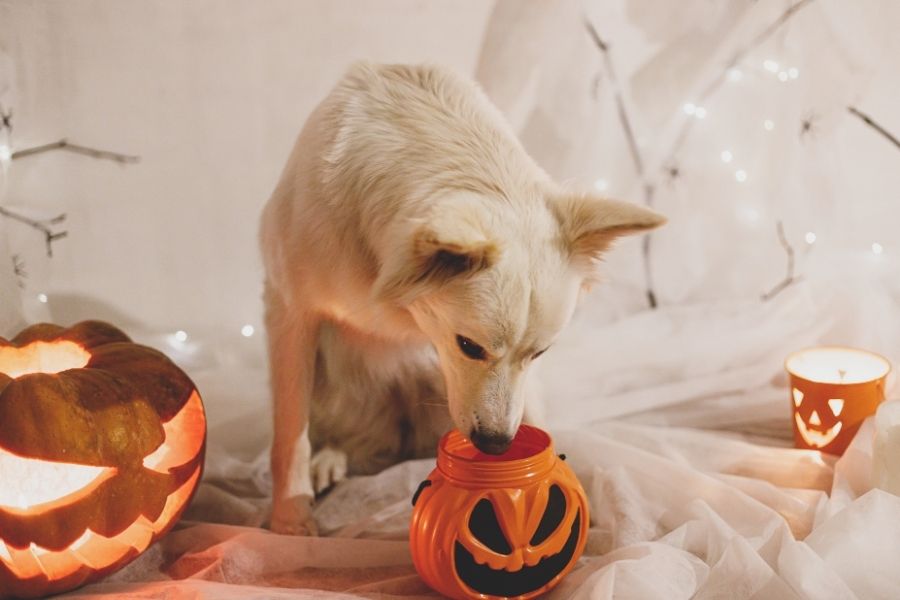
While the candy bowl is strictly off-limits for dogs, Halloween does not have to be a holiday your dog watches from the sidelines. Making homemade Halloween dog treats vet-approved means your pup gets to be part of the celebration without any of the risks that come with human candy. Homemade dog treats give you complete control over every ingredient, which is the safest approach during a season when so many common human foods, from chocolate to xylitol-containing sugar-free products, can cause serious harm. The recipes in this guide use simple, whole-food ingredients that most dogs genuinely enjoy, require no special equipment, and are fast enough to prepare before the trick-or-treaters arrive. Whether you are throwing a pet Halloween party, looking for a special October activity with your kids, or simply want to give your dog something to enjoy while the candy flows around them, these ideas deliver exactly that.
What Makes a Dog Treat Safe to Make at Home
Before any baking begins, understanding the criteria for safe ingredients is the foundation. Not everything that appears wholesome or natural is appropriate for dogs, and this is especially important during Halloween when well-intentioned substitutions can introduce hidden risks.
Safe ingredients for dog treats start with whole, recognizable foods with no additives. Plain canned pumpkin is the most popular choice for fall baking, and with good reason. It is high in fiber, supports digestive health, and most dogs find the flavor appealing. The critical detail: use pure canned pumpkin, not pumpkin pie filling. Pie filling contains cinnamon, nutmeg, and sweeteners that are all inappropriate for dogs and, in the case of nutmeg, genuinely toxic.
Other reliable safe ingredients for dog treats include plain oat flour or whole wheat flour with no additives, eggs (plain, fully cooked), unsweetened plain yogurt, plain peanut butter with no added salt or sweeteners (always verify the ingredient label for xylitol), cooked sweet potato, cooked plain chicken or turkey, and plain unsweetened applesauce.
Fats from appropriate whole food sources like eggs and plain yogurt are fine in moderation. Salt should never be added. Sugar should never be added. Artificial flavoring, food coloring, and preservatives should be avoided.
Ingredients to Avoid When Baking Halloween Dog Treats
The ingredients to avoid in dog treats include several items that appear in many human baking recipes and might seem harmless at first glance.
Xylitol: The most dangerous baking ingredient for dogs. Found in some peanut butters, in sugar-free yogurt, in many sweetener blends, and in some commercial flour substitutes. Even a small amount can cause a life-threatening blood sugar crash in dogs. Read every label, including the peanut butter, every time. Brands reformulate without announcement.
Nutmeg: A common fall spice used in pumpkin and sweet potato recipes. Toxic to dogs in amounts that are not large by human baking standards. Causes tremors, disorientation, elevated heart rate, and seizures. Even a small pinch should never appear in a dog treat recipe.
Cinnamon: While not acutely toxic in very small amounts, cinnamon can cause mouth and digestive irritation in dogs and, in concentrated or powdered form, can cause breathing problems. It does not belong in dog treat recipes regardless of how frequently it appears in human fall recipes.
Raisins and grapes: Never in any dog treat. It is acutely toxic to dogs, with effects including kidney failure, and the minimum toxic dose is not well established.
Baking chocolate or cocoa powder: Extremely high in theobromine. Any recipe calling for cocoa powder is completely off-limits for dogs.
Onion and garlic powder: Common in savory recipes, highly toxic to dogs in any form, fresh or dried.
Knowing what the ingredients to avoid in dog treats are makes recipe creation much easier: when in doubt, use only the whole-food staples listed in the previous section and nothing else.
Vet-Approved Pumpkin Dog Treat Recipe
This pumpkin dog treat recipe for Halloween is one of the simplest and most popular options, and for good reason. Most dogs find pumpkin highly palatable; the ingredients are easy to source, and the treats keep well for several days in a sealed container.
Pumpkin Peanut Butter Halloween Biscuits
Makes approximately 20 to 24 small biscuits, depending on cutter size.
Ingredients:
- 1 cup plain canned pumpkin (pure pumpkin only, not pie filling)
- 2 eggs
- 2 tablespoons plain peanut butter (no added salt, no xylitol; check the label)
- 2.5 cups whole wheat flour or oat flour, plus extra for dusting
Instructions:
- Preheat your oven to 350 degrees Fahrenheit. Line a baking sheet with parchment paper.
- Combine pumpkin, eggs, and peanut butter in a bowl and mix until smooth.
- Add flour one cup at a time and stir until a firm dough forms. The dough should be stiff enough to roll without sticking. Add a small amount of additional flour if the dough is still tacky.
- Roll the dough out on a lightly floured surface to approximately one-quarter inch thickness.
- Use Halloween-themed cookie cutters in bone, paw, or pumpkin shapes to cut the treats.
- Place on the prepared baking sheet and bake for 22 to 25 minutes until firm and lightly golden.
- Allow to cool completely before serving. Partially baked or warm treats can cause stomach upset.
Store in an airtight container at room temperature for up to five days, or refrigerate for up to two weeks. These treats can also be frozen.
Frozen Halloween Treats for Dogs
Dog-friendly Halloween baking ideas extend beyond baked biscuits to frozen treats, which are especially popular in warmer climates and work well served during party gatherings. In Walnut Creek, CA, October temperatures are mild enough that frozen treats are still very much appealing to dogs.
Pumpkin Yogurt Frozen Bites
Makes 12 to 16 pieces depending on mold size.
- Mix half a cup of plain canned pumpkin with one cup of plain unsweetened yogurt. Stir until smooth.
- Pour or spoon the mixture into silicone ice cube trays or small Halloween-themed molds.
- Freeze for a minimum of four hours or overnight.
- Pop out of the molds and serve directly from the freezer.
These bites are a low-calorie, high-satiety treat that most dogs find genuinely exciting. The pumpkin dog treat recipe Halloween frozen variation is an especially good option for dogs who tend toward overweight, since pumpkin adds bulk and satisfaction without significant caloric density.
Sweet Potato Chews
- Peel and slice plain sweet potato into rounds approximately one-quarter inch thick.
- Place on a parchment-lined baking sheet and bake at 250 degrees Fahrenheit for two to three hours until dehydrated and chewy.
- Allow to cool completely before serving.
These make excellent long-lasting chews and can be cut into pumpkin or ghost shapes with small cookie cutters before baking.
How Many Treats to Give Your Dog on Halloween
Even when every ingredient is safe, treats should make up no more than 10% of a dog’s total daily caloric intake. Dog-friendly Halloween baking ideas are only truly beneficial when the portions served respect that limit.
Small dogs (under 15 pounds) should receive no more than one or two small biscuits or one frozen bite per occasion. Medium dogs (15 to 50 pounds) can generally handle two to three small treats or one larger biscuit. Large dogs can have a proportionally larger serving, but moderation always applies.
A misconception that surfaces frequently in pet nutrition conversations is that natural or homemade automatically means unlimited. Whole-food treats made from real pumpkin and real eggs still contain calories, carbohydrates, and fat. Serving them in moderation is as important as choosing the right ingredients.
If your dog has any diagnosed health conditions, including kidney disease, diabetes, food allergies, or weight management concerns, confirm appropriate ingredients and portion sizes with your veterinarian before introducing new treats, including homemade ones.
The team at Animal Care Hospital of Walnut Creek believes that great veterinary care includes supporting the whole health of your pet, including what they eat and how they are celebrated. Homemade Halloween dog treats vet-approved standards mean your dog can fully join the Halloween fun safely and deliciously this year. Book an appointment today.
Frequently Asked Questions
Q: Is pumpkin safe for dogs to eat?
Ans: Yes, plain canned pumpkin is safe and beneficial for most dogs. It is high in fiber and supports healthy digestion. The critical detail is using pure canned pumpkin only, not pumpkin pie filling. Pumpkin pie filling contains cinnamon, nutmeg, and sweeteners that are not appropriate for dogs.
Q: Can I use any peanut butter in homemade dog treats?
Ans: No. You must check the ingredient label every time, even on brands you have used before. Some peanut butters contain xylitol, an artificial sweetener that is extremely toxic to dogs and can cause life-threatening blood sugar collapse in small doses. Choose peanut butter with only peanuts and possibly salt, and opt for unsalted varieties when possible.
Q: How long do homemade dog treats last?
Ans: Baked biscuits without preservatives last approximately five days at room temperature in a sealed container, or up to two weeks refrigerated. Frozen treats last up to three months in the freezer. Because homemade treats contain no commercial preservatives, they spoil faster than store-bought options.
Q: Can I give my dog Halloween-themed treats from a pet store?
Ans: Most commercial dog treats marketed for Halloween are formulated to be safe for dogs. Check ingredient labels before purchasing, especially for the presence of xylitol, artificial colors in very high concentrations, or uncommon additives. When in doubt, homemade treats with simple whole-food ingredients give you the most control over what your dog is eating.
Q: Are these treat recipes safe for cats too?
Ans: These recipes are designed for dogs. Cats are obligate carnivores with different nutritional needs and different sensitivities toingredients, including some of the carbohydrate-based components used here. For cats, stick to small pieces of plain cooked chicken, turkey, or commercial cat treats rather than adapting dog treat recipes.
