Read Our Pharmacy Prescription Policy Update!


How Digital X-Rays Help Diagnose Hidden Injuries in Pets
Your pet came home limping, but nothing looks broken. They seem off, but you cannot see anything wrong. This is one of the most frustrating moments for any pet owner in Walnut Creek, CA. Many serious injuries hide beneath the surface, invisible to the naked eye. That is where digital X-rays for pets become essential. At our clinic, we use advanced digital radiography to see what hands-on exams simply cannot reveal. Whether your dog took a hard fall or your cat stopped jumping onto furniture, a digital X-ray can uncover fractures, internal injuries, foreign objects, and joint problems in minutes. Understanding how this technology works helps you act quickly when your pet needs help most. This article explains what digital x-rays do, what signs point to a hidden injury, and what you can expect during your pet’s imaging visit.
What Are Digital X-Rays and Why Do They Matter for Pets?
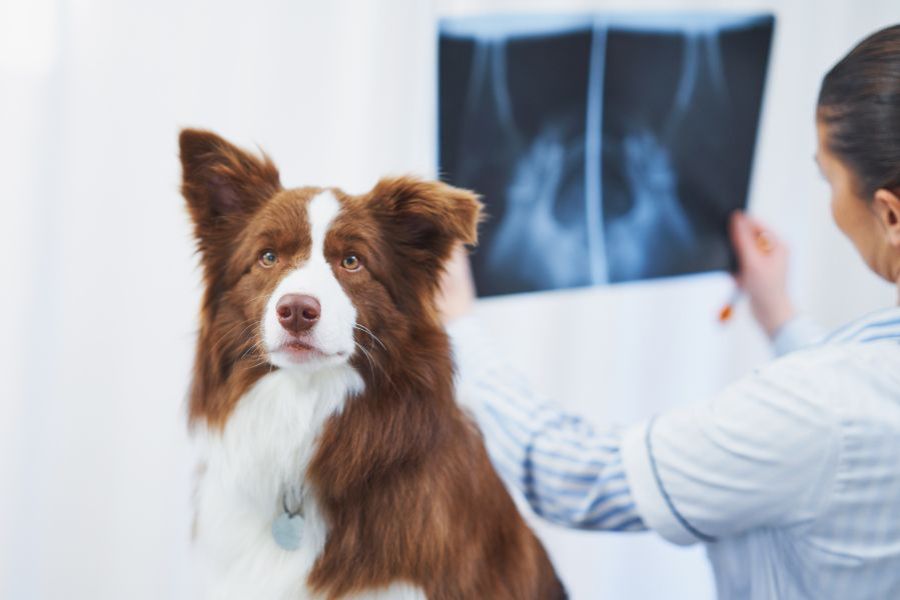
Digital x-rays for pets use low-dose radiation to produce high-resolution images of bones, organs, and soft tissues. Unlike traditional film x-rays, digital radiography captures images instantly on a computer screen. This means your veterinarian can evaluate results within seconds, not hours.
The clarity of digital images is significantly better than that of older film technology. Vets can zoom in, adjust contrast, and share images with specialists without any quality loss. This speeds up diagnosis and reduces the time your pet spends under stress.
Digital X-rays expose pets to much less radiation than older methods. This makes them safe for repeated use when monitoring a healing injury or checking on a chronic condition. According to the American Veterinary Medical Association (AVMA), radiography remains one of the most important diagnostic tools in modern veterinary medicine.
Signs Your Pet May Have a Hidden Injury
Pets cannot tell you where it hurts. They often hide pain as a survival instinct. By the time symptoms are obvious, an injury may have been present for days.
Watch for these warning signs:
- Sudden limping or favoring one leg: This is a classic sign of a fracture or joint injury. Even a subtle limp after a fall warrants a closer look.
- Reluctance to jump or climb stairs: Cats, especially, will stop jumping when back pain, spinal issues, or internal discomfort are present.
- Swelling along a limb or abdomen: Swelling that appears after a trauma may signal broken bones or internal bleeding.
- Labored or shallow breathing: Chest injuries, fluid buildup, or rib fractures can restrict normal breathing without visible wounds.
- Loss of appetite after a trauma: Abdominal pain from an internal injury often suppresses appetite before other signs appear.
- Crying out when touched: Sudden vocalizations when you pet or pick up your animal are a red flag that something is wrong internally.
Many pet owners wait a day or two, hoping a pet will “walk it off.” We strongly advise against this. Hidden pet injuries diagnosed early heal faster and cost less to treat.
How Digital Imaging Finds What Exams Miss
A physical exam is a critical first step. But even a skilled veterinarian cannot see inside the body with their hands alone. Pet diagnostic imaging vet visits give us the full picture.
Digital x-rays reveal fractures that are not displaced, meaning the bone cracked but did not shift out of place. These injuries feel normal under a physical exam but show clearly on imaging. We frequently remind our clients that a dog can walk on a hairline fracture for several days before the injury worsens.
X-rays also detect swallowed foreign objects. Dogs commonly ingest toys, bones, rocks, and household items. A foreign object stuck in the intestine becomes life-threatening within 24 to 48 hours. X-ray imaging identifies the location and size so the vet can act immediately.
Internal organ changes, fluid around the lungs, and bladder stones are also visible on X-ray. Studies estimate that up to 40% of soft tissue abnormalities in pets are first identified through routine or emergency radiography. Pet diagnostic imaging vet teams rely on this tool during every trauma evaluation.
What to Expect During Your Pet’s X-Ray Visit
Many pet owners feel nervous about bringing their animal in for imaging. The process is straightforward and usually quick.
- Check-in and history review: Your vet will ask about the injury, how it happened, and when symptoms started.
- Physical exam: A hands-on assessment helps identify the most relevant areas to image.
- Positioning for imaging: A trained veterinary technician gently positions your pet on the imaging table. Most pets tolerate this well. Sedation is rarely needed but available when necessary.
- Image capture: The digital X-ray takes less than a second per image. Multiple angles are taken for a full view.
- Review and diagnosis: Your vet reviews the images immediately and walks you through the findings in plain language.
- Treatment planning: A care plan is developed based on what the images reveal.
At our animal hospital in Walnut Creek, we take time to explain every image so you understand exactly what we found and what comes next.
Cat Internal Injuries and the Hidden Danger of Waiting
Cats are notorious for hiding pain. A cat that falls from a height, gets hit by a car, or has a run-in with another animal may appear calm for hours after serious trauma. This is called “masking,” and it is one of the biggest risks in feline emergency care.
Cat internal injury signs are subtle. You may notice your cat sitting hunched, hiding more than usual, or breathing faster than normal. These quiet signals often point to internal bleeding, ruptured organs, or chest trauma that requires imaging to confirm.
Pet owners often tell us they assumed their cat was “just shaken up.” In reality, cats with hidden injuries need imaging right away. Waiting even a few hours can allow internal bleeding to worsen significantly.
The AVMA and the American Animal Hospital Association (AAHA) both recommend imaging as the first step after any significant trauma in cats or dogs. Cat internal injury signs should never be dismissed without a proper diagnostic workup.
Conclusion
Hidden injuries are one of the most serious challenges in pet health. They look minor on the outside but can be life-threatening on the inside. Digital x-rays for pets give veterinarians the ability to see the full picture quickly and accurately. Early imaging leads to faster treatment, better outcomes, and lower costs over time. If your pet has been in an accident, is limping, or is showing any signs of discomfort after a trauma, do not wait to see if it improves. Acting quickly makes all the difference. The team at Animal Care Hospital of Walnut Creek is here to help you get answers fast and keep your pet safe. Book an appointment today.
Frequently Asked Questions
Are digital X-rays safe for my pet?
Ans: Yes. Digital X-rays use very low levels of radiation, significantly less than older film-based systems. They are considered safe for most pets, including young animals and seniors. Your vet will only recommend X-rays when the diagnostic benefit clearly outweighs any minimal risk.
Does my pet need to be sedated for a digital X-ray?
Ans: Most pets do not require sedation for X-rays. A trained technician positions your pet gently and quickly. Sedation may be used for very anxious animals, pets in significant pain, or cases that require precise positioning to see a specific area clearly.
How quickly will I get X-ray results?
Ans: With digital radiography, results are available within minutes. Your veterinarian will review the images immediately after they are taken and discuss findings with you the same day. This fast turnaround is one of the biggest advantages of digital imaging over older film x-ray technology.
Can X-rays detect all types of injuries in pets?
Ans: Digital X-rays are excellent for identifying bone fractures, joint abnormalities, swallowed foreign objects, lung and chest changes, and bladder stones. Some soft tissue injuries may require additional imaging, such as an ultrasound, for a complete picture. Your vet will recommend the right diagnostic approach for your pet’s specific symptoms.
What should I do if I think my pet has a hidden injury?
Ans: Contact your veterinarian right away. Do not wait to see if symptoms improve on their own, especially after a fall, accident, or trauma. Time is critical with internal injuries. The sooner your vet can perform imaging, the sooner an accurate diagnosis and treatment plan can be put in place.