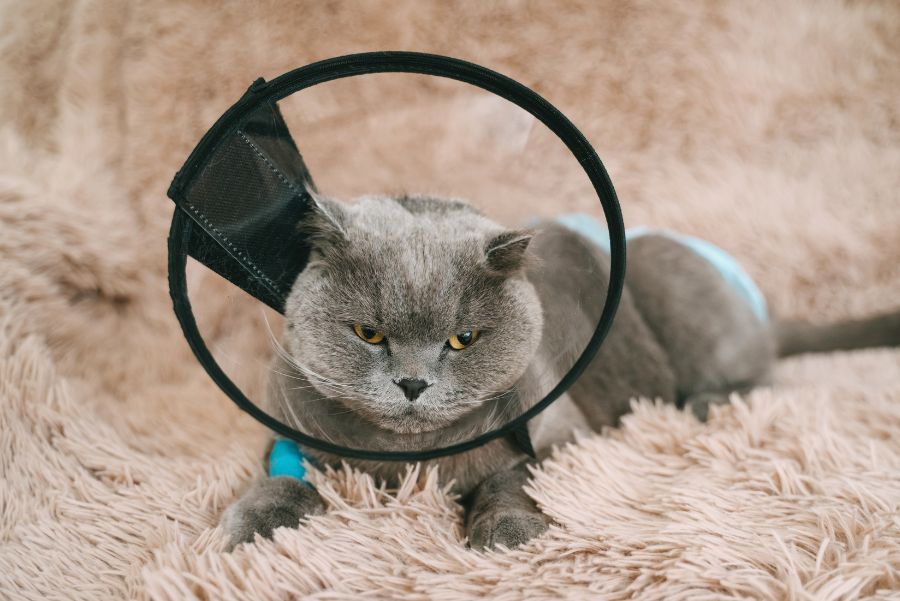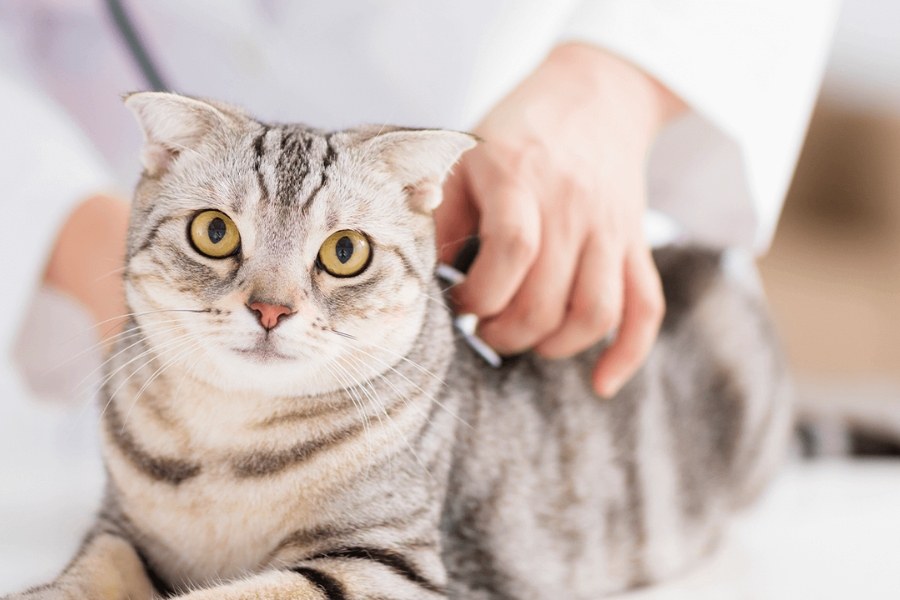
Spaying a female cat is a highly recommended procedure that offers numerous health and behavioral benefits, from preventing unwanted litters to eliminating heat cycles and significantly reducing the risk of certain cancers. However, many cat owners observe a common phenomenon after their beloved feline undergoes this surgery: a tendency to gain weight. You might find yourself wondering, “Why do female cats get bigger after being spayed?” It’s a valid question, and one that has scientific backing, but it’s also a situation that can be effectively managed with informed care.
Let’s explore the primary reasons behind post-spay weight gain and, more importantly, how you can help your cat maintain a healthy weight.
The Hormonal Shift: A Core Reason for Weight Gain
The most significant factor contributing to weight gain after spaying is the dramatic hormonal change that occurs. When a female cat is spayed, her ovaries are removed. These ovaries are responsible for producing estrogen, a key hormone that plays a role in metabolism and appetite regulation.
Here’s how the hormonal shift impacts your cat:
- Decreased Metabolic Rate: Estrogen contributes to a higher metabolic rate in intact (unspayed) female cats. Without estrogen, a spayed cat’s metabolism can slow down by as much as 20-30%. This means she burns fewer calories at rest than she did before the surgery. If her caloric intake remains the same, those unburned calories are stored as fat.
- Increased Appetite: While not universally true for all cats, some studies suggest that the absence of ovarian hormones can lead to a slight increase in appetite in some spayed females. This combination of a slower metabolism and potentially increased hunger creates a perfect storm for weight gain if not managed.
It’s crucial to understand that this isn’t a “fault” of the spay surgery itself, but a natural physiological response to the removal of reproductive organs. It’s a trade-off for the substantial health benefits gained.
Lifestyle Changes: Less Activity, More Comfort
Beyond the hormonal shifts, behavioral and lifestyle changes following spaying can also contribute to a cat getting “bigger.”
- Reduced Roaming Instincts: Unspayed female cats are driven by powerful instincts to seek out mates, especially when in heat. This often involves significant roaming, increased outdoor activity, and a generally higher energy output. Once spayed, this urge diminishes drastically, leading to less roaming and a more sedentary lifestyle, particularly for indoor cats.
- Calmer Demeanor: As discussed in previous articles, spaying eliminates the stress and restlessness associated with heat cycles. A calmer, more content cat might spend more time napping or simply being less active throughout the day. This reduced activity level means fewer calories are burned through movement.
- Focus Shifts to Food: With reproductive urges removed, some cats may redirect their focus towards other pleasures, and food can become a more significant source of contentment. This isn’t necessarily true for all cats, but it’s a common observation.
Combined, a lower metabolic rate and decreased physical activity create an energy imbalance. If the calories coming in (from food) exceed the calories going out (through metabolism and activity), weight gain is inevitable.
The Risks of Post-Spay Weight Gain
While a little weight gain might seem harmless, obesity in cats is a serious health concern. An overweight or obese cat is at a significantly higher risk for:
- Diabetes Mellitus: Excess body fat can lead to insulin resistance.
- Joint Problems: Extra weight puts undue stress on joints, exacerbating conditions like arthritis.
- Urinary Tract Disease: Increased risk of urinary stones and other issues.
- Liver Disease (Hepatic Lipidosis): A severe and potentially fatal condition.
- Heart Disease: Extra strain on the cardiovascular system.
- Reduced Quality of Life: Overweight cats may be less playful, less mobile, and generally less comfortable.
Therefore, proactively managing your spayed cat’s weight is crucial for her overall health and longevity.
Managing Weight After Spaying: A Proactive Approach
The good news is that post-spay weight gain is entirely manageable with a few proactive adjustments. It requires a mindful approach to diet and exercise.
- Adjust Caloric Intake: This is often the most critical step. Consult your veterinarian in Walnut Creek about the appropriate daily caloric intake for your spayed cat. They might recommend switching to a “weight management,” “indoor,” or “spayed/neutered” specific cat food, which often has a slightly lower calorie density but still provides all necessary nutrients. If not switching food, simply reducing the portion size of her current food is usually necessary. Avoid free-feeding; instead, feed measured meals at specific times.
- Increase Physical Activity: Encourage play! Engage your cat in interactive play sessions daily using toys that stimulate hunting instincts, such as feather wands, laser pointers (with a physical reward at the end), or puzzle feeders. Consider cat trees for climbing, shelves for jumping, and even harness training for safe outdoor walks if she’s receptive. Even short, consistent bursts of activity throughout the day can make a difference.
- Limit Treats and Table Scraps: Treats should make up no more than 10% of your cat’s daily caloric intake. Choose low-calorie options or use some of her regular kibble as treats. Avoid feeding table scraps, which are often high in calories and unhealthy for cats.
- Regular Veterinary Check-ups: Schedule routine check-ups with your vet. They can monitor your cat’s weight, body condition score, and provide personalized dietary and exercise recommendations. They can also rule out any underlying medical conditions contributing to weight gain.
In conclusion, it’s very common for female cats to show a tendency to “get bigger” after being spayed due to metabolic and behavioral changes. However, this weight gain is not an inevitable outcome. By proactively managing her diet and encouraging regular exercise, you can ensure your spayed feline friend remains at a healthy weight, enjoying a long, active, and fulfilling life.