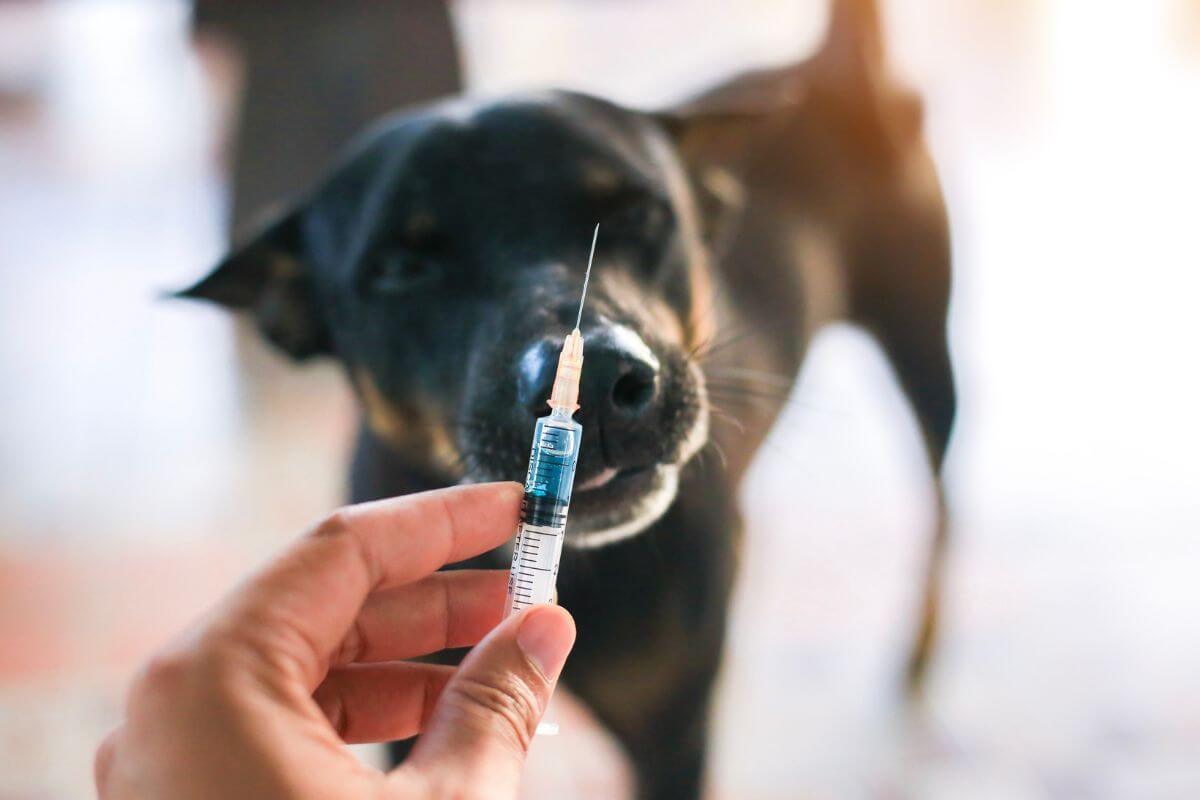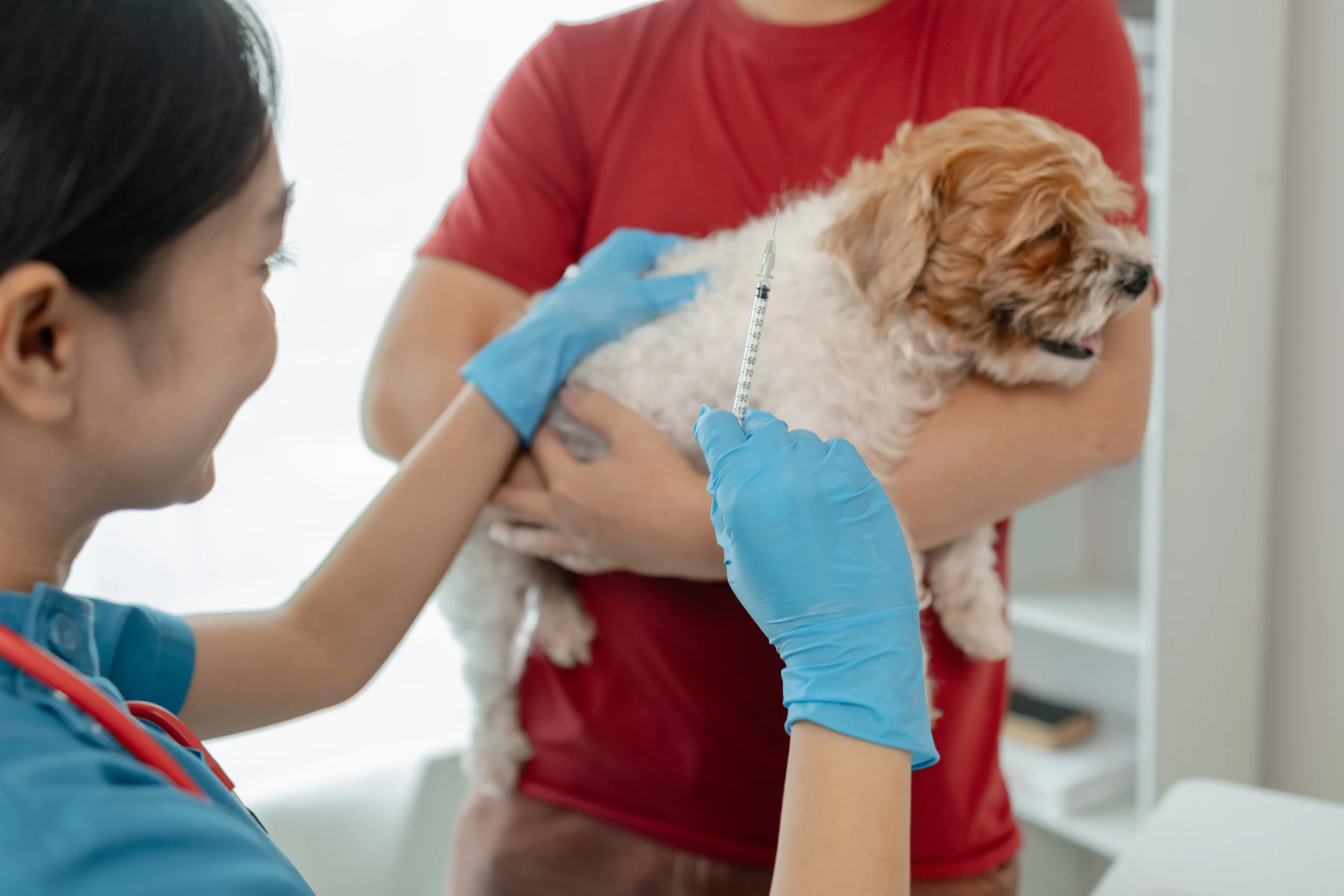
Vaccinations are one of the simplest yet most powerful ways to protect your dog from serious and potentially fatal diseases. But what really happens if you skip them? Many pet owners underestimate the consequences until it’s too late. Understanding what happens if you don’t vaccinate your dog can help you make informed, responsible choices for your pet’s health and safety.
Why Vaccines Are So Important for Dogs
Just like humans, dogs rely on vaccines to build immunity against contagious diseases. Vaccinations protect your pet from harmful viruses and bacteria that spread easily among animals — and in some cases, even to humans.
Skipping vaccines doesn’t just put your dog at risk; it can also endanger other pets in your home, animals at the park, and even your community.
Essential dog vaccines generally safeguard against the following diseases:
- Rabies
- Parvovirus
- Distemper
- Adenovirus (hepatitis)
These vaccines are considered essential for all dogs, regardless of age or breed.
The Health Risks of Skipping Vaccinations
When dogs aren’t vaccinated, their immune systems can’t fight off certain infections effectively. Here are the major risks of avoiding vaccinations:
1. Exposure to Deadly Diseases
Unvaccinated dogs are far more vulnerable to highly contagious illnesses like parvovirus and distemper, both of which can be fatal. Rabies, which is required by law in most states, is not only deadly but also transmissible to humans.
2. Costly Emergency Treatments
Preventive care through vaccines is far more affordable than emergency hospitalization. Treating parvovirus, for example, can cost thousands of dollars — with no guarantee of survival.
3. Weakened Immune System
Dogs that are not vaccinated have a harder time fighting infections. Even minor illnesses can lead to severe complications if their immune defenses are compromised.
4. Risk to Other Pets and People
Diseases like leptospirosis and rabies can spread from animals to humans. Keeping your dog up to date on vaccines helps protect everyone around them.
How to Know Which Vaccines Your Dog Needs
Not every dog requires the exact same vaccination plan. Factors such as age, breed, medical history, and lifestyle all play a role.
Your veterinarian will typically recommend two categories of vaccines:
- Core vaccines: Essential for all dogs (rabies, distemper, parvo, hepatitis)
- Non-core vaccines: Given based on exposure risk (Bordetella, Leptospirosis, Lyme, canine influenza)
Actionable Tip: Always bring your pet’s vaccination record to each vet visit to ensure they’re staying on schedule.
What Happens If You Don’t Vaccinate Your Dog Over Time
Neglecting your dog’s vaccinations can lead to serious long-term consequences:
- Recurring illnesses: Without protection, your dog may suffer repeated bouts of infection.
- Weakened longevity: Dogs who skip vaccinations often experience reduced lifespan due to chronic disease exposure.
- Limited travel or boarding options: Many boarding facilities and groomers require up-to-date vaccination records.
- Legal consequences: Skipping rabies vaccines can result in fines or restrictions in many regions.
Keeping your dog current on vaccines is a simple way to avoid unnecessary suffering and legal complications.
How to Keep Your Dog Calm During Vaccinations
- Bring comfort items: A favorite toy or blanket can ease anxiety.
- Use positive reinforcement: Offer treats and praise during and after the visit.
- Stay relaxed: Dogs often mirror their owner’s emotions. A calm demeanor helps your pet stay comfortable.
- Plan regular visits: Frequent checkups make the vet clinic a familiar and less stressful place.
Local Pet Care You Can Trust
Conveniently located in Walnut Creek, CA, if you are looking for dog vaccination services near me, then Animal Care Hospital of Walnut is the best choice for you. Our compassionate team provides expert preventive care, from puppy shots to senior vaccines, ensuring your furry friend stays healthy by helping your pet enjoy a long, energetic, and disease-free life.
Understanding what happens if you don’t vaccinate your dog is essential for every pet owner. Skipping vaccines may seem harmless, but it can lead to devastating health consequences, unnecessary suffering, and higher medical costs.
At Animal Care Hospital of Walnut in Walnut Creek, CA, we believe prevention is the foundation of lifelong wellness. Our team is here to help you stay on top of your dog’s vaccination schedule — so they can live a long, joyful, and healthy life by your side.
If you live in Walnut Creek, CA, and need professional guidance on keeping your dog’s vaccines up to date, visit Animal Care Hospital of Walnut’s Vaccination Services. Our experienced team provides personalized care to ensure your dog stays healthy and protected year-round.
FAQs:
Q1. Are vaccines really necessary for indoor dogs?
Ans. Yes. Even indoor dogs can be exposed to diseases through the air, contaminated surfaces, or other animals.
Q2. How frequently does my dog need vaccines?
Ans. Most core vaccines are given annually or every three years, depending on your veterinarian’s recommendation.
Q3. Can vaccines make my dog sick?
Ans. Mild side effects like soreness or tiredness are possible but temporary. Severe reactions are rare.
Q4. What happens if my dog misses a booster shot?
Ans. If your dog is overdue, your vet may recommend restarting the series to ensure full protection.
Q5. Are vaccinations safe for senior dogs?
Ans. Yes, but your vet may tailor the schedule based on your dog’s age, health, and medical history.
Q6. What’s the best way to track my dog’s vaccinations?
Ans. Keep a copy of your pet’s vaccination record or ask your vet to send reminders for upcoming doses.