Read Our Pharmacy Prescription Policy Update!


Questions You Must Ask Your Vet Before Your Pet Goes Under Anesthesia
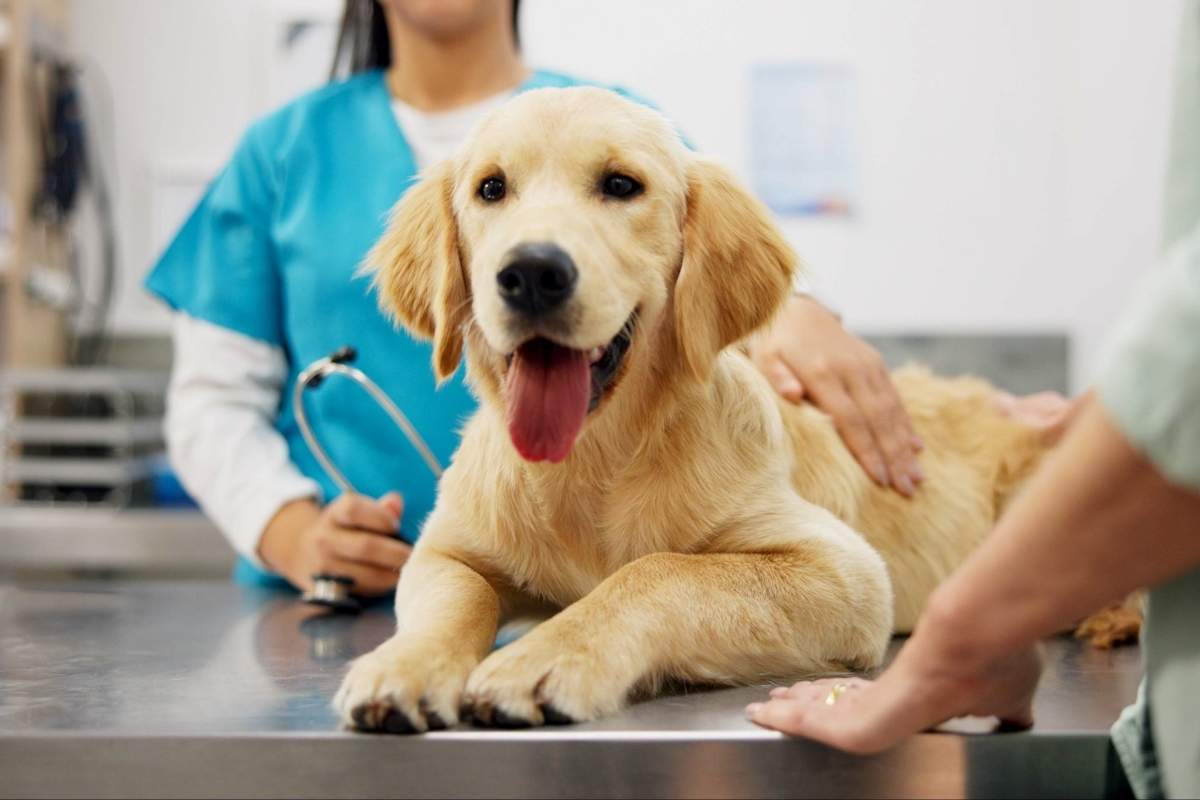
Watching your beloved pet go under anesthesia can feel nerve-wracking. Whether it’s for routine dental cleaning, spaying, or emergency surgery, anesthesia carries some level of risk. However, asking the right questions beforehand can significantly ease your worries.
Understanding what happens during the procedure empowers you as a pet parent. It also helps ensure your furry companion receives the safest possible care. In this guide, we’ll cover the essential questions you must ask your vet before pet anesthesia. By preparing ahead, you’ll feel confident knowing your pet is in capable hands.
Why Understanding Pet Anesthesia Matters
Anesthesia allows veterinarians to perform procedures without causing pain or distress. Yet, many pet owners don’t realize that anesthesia protocols vary widely between clinics.
Modern veterinary anesthesia has become remarkably safe. Still, complications can occur, especially in senior pets or those with underlying health conditions. When you understand the process, you become an active participant in your pet’s care.
Additionally, informed pet owners tend to follow pre- and post-operative instructions more carefully. This directly contributes to smoother procedures and faster recoveries.
Essential Questions About Pre-Anesthesia Testing
Should My Pet Have Blood Work Done First?
Pre-anesthesia blood work is one of the most important safety measures available. These tests evaluate your pet’s organ function before sedation begins.
Ask your veterinarian:
- What tests are included in the pre-anesthesia panel?
- Will you check liver and kidney function?
- Is a complete blood count (CBC) part of the screening?
Blood work can reveal hidden conditions that might complicate anesthesia. For instance, undetected kidney disease could affect how your pet metabolizes anesthetic drugs. Therefore, never skip this step, even if your pet appears healthy.
Are There Age-Specific Concerns?
Age plays a significant role in anesthesia safety. Puppies and kittens metabolize drugs differently than adult animals. Similarly, senior pets often have reduced organ function.
Make sure to ask:
- How will my pet’s age affect the anesthesia plan?
- Are there additional precautions for older animals?
- Should we perform extra diagnostic tests?
Your vet should customize the anesthesia protocol based on your pet’s life stage.
Questions About Anesthesia Protocols and Monitoring
What Type of Anesthesia Will You Use?
Not all anesthesia is created equal. Some procedures require only light sedation, while others need full general anesthesia.
Important questions include:
- Will my pet receive injectable or inhalant anesthesia?
- What specific drugs will be used?
- Why is this particular protocol best for my pet?
Understanding the anesthesia type helps you know what to expect during recovery.
How Will My Pet Be Monitored During the Procedure?
Continuous monitoring during anesthesia dramatically reduces risks. Modern clinics use sophisticated equipment to track vital signs throughout surgery.
Ask about:
- Heart rate and rhythm monitoring (ECG)
- Blood pressure measurement
- Oxygen saturation levels (pulse oximetry)
- Body temperature regulation
- Dedicated staff monitoring during the entire procedure
A qualified veterinary technician should watch your pet constantly. This human oversight, combined with electronic monitoring, provides the highest level of safety.
Understanding the Risks of Pet Anesthesia
What Are the Potential Complications?
Every pet owner deserves honest information about anesthesia risks. While serious complications remain rare, they can happen.
Ask your veterinarian:
- What are the most common anesthesia side effects?
- How does my pet’s breed affect risk levels?
- Are there any breed-specific concerns I should know about?
Brachycephalic breeds like Bulldogs and Pugs face higher anesthesia risks due to their airway structure. Similarly, certain breeds may have genetic sensitivities to specific drugs.
What Happens If Something Goes Wrong?
This question might feel uncomfortable, but it’s crucial. Knowing your clinic’s emergency protocols provides peace of mind.
Consider asking:
- Do you have emergency resuscitation equipment on-site?
- Is someone trained in emergency response always present?
- What’s your protocol if my pet experiences complications?
Reputable veterinary hospitals always have emergency plans in place.
Post-Anesthesia Care Questions to Ask
What Should I Expect During Recovery?
Recovery experiences vary depending on the procedure and your pet’s individual response. Most pets feel groggy for several hours afterward.
Key questions include:
- How long will the anesthesia effects last?
- When can my pet eat and drink normally?
- What behavioral changes might I notice?
Some pets experience temporary confusion, whimpering, or restlessness. These reactions typically resolve within 24 hours.
What Warning Signs Require Immediate Attention?
Before leaving the clinic, understand which symptoms demand urgent care.
Watch for:
- Difficulty breathing or excessive panting
- Pale or blue-tinged gums
- Prolonged vomiting or refusal to eat
- Extreme lethargy lasting beyond 24 hours
- Swelling or discharge at incision sites
Your veterinarian should provide written discharge instructions with emergency contact information.
How to Prepare Your Pet for Anesthesia
Proper preparation significantly improves anesthesia outcomes. Follow your vet’s instructions carefully.
Standard preparation guidelines include:
- Fasting: Typically, pets should not eat for 8-12 hours before anesthesia. This reduces aspiration risks.
- Water: Usually allowed until a few hours before the procedure.
- Medications: Ask which regular medications to give or withhold.
- Comfort items: Some clinics allow familiar blankets or toys to reduce stress.
Always confirm specific instructions with your veterinary team.
Conveniently located in Walnut Creek, if you are searching for an animal hospital near me that offers nutritional counseling, then Animal Care Hospital of Walnut Creek is the ideal choice for your pet.
Their dedicated team provides personalized diet planning services to support your pet’s long-term health and well-being.
Frequently Asked Questions
Q1: Is anesthesia safe for older pets?
Ans: Yes, senior pets can safely undergo anesthesia with proper precautions. Comprehensive blood work and adjusted drug protocols help minimize risks. Many older animals tolerate anesthesia very well when carefully monitored.
Q2: How long does it take for anesthesia to wear off completely?
Ans: Most pets recover from anesthesia within 24-48 hours. However, grogginess and mild disorientation may persist for several hours post-procedure. Full energy levels typically return within one to two days.
Q3: Should I stay with my pet before they go under anesthesia?
Ans: Most clinics allow brief goodbyes before surgery. However, remaining during induction can sometimes increase your pet’s anxiety. Trust your veterinary team to provide calm, compassionate care.
Q4: Can my pet have a bad reaction to anesthesia?
Ans: While rare, allergic reactions and adverse effects can occur. Pre-anesthesia screening significantly reduces these risks. Your vet monitors vital signs constantly to catch any problems early.
Q5: Why does my pet need to fast before anesthesia?
Ans: Fasting prevents vomiting and potential aspiration during the procedure. An empty stomach ensures safer anesthesia administration. Always follow your vet’s specific fasting instructions carefully.
Q6: What questions should I ask about pain management after surgery?
Ans: Ask about the pain medications prescribed and their potential side effects. Inquire how to recognize signs of discomfort in your pet. Also, confirm when to give medications and for how long.