Read Our Pharmacy Prescription Policy Update!


How to Adjust Your Pet’s Routine During Seasonal Changes
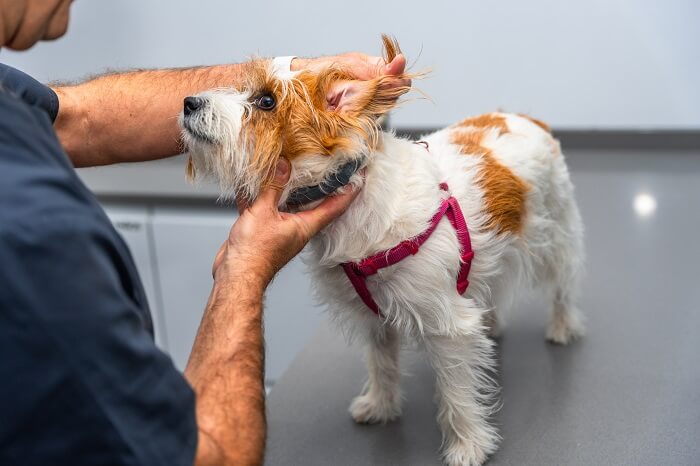
Seasonal changes bring shifts in weather, daylight, and environmental conditions that can affect your pet’s behavior, health, and overall routine. Just like humans, animals are sensitive to changes in temperature, daylight hours, and daily activity levels.
Adapting your pet’s routine with the seasons helps maintain their comfort and well-being year-round. Here’s how to make thoughtful adjustments during each transition.
1. Recognize Seasonal Behavior Shifts
Pets may display different behaviors depending on the season. Dogs might become more lethargic during hot summer days or more energetic in cool autumn weather. Cats often look for warm, sunny spots to lounge in during the winter, and they tend to enjoy spending more time outside when spring rolls around.
Recognizing these natural changes helps you adjust their routine accordingly, ensuring they remain balanced and content.
2. Modify Exercise Based on Weather
Exercise routines should change with temperature and daylight. In the summer, walk dogs during early morning or late evening when it’s cooler, and limit high-energy play in the heat to prevent overheating. In winter, shorter daylight hours and colder temperatures may reduce outdoor time, so consider indoor activities like puzzle feeders or interactive toys to keep your pet engaged.
Tips for adjusting exercise routines:
- Monitor the ground temperature—hot pavement can harm paw pads.
- Use booties or paw balm in icy conditions.
- Avoid vigorous play in extreme heat or cold.
3. Adjust Feeding Schedules and Portions
Seasonal changes can affect your pet’s metabolism and activity levels. When the temperatures drop, some pets tend to burn extra calories to keep warm, which means they might require a bit more food.
In contrast, pets may be less active during hot seasons, requiring fewer calories to avoid weight gain.
However, avoid drastic changes. Monitor their weight and consult a veterinarian in Walnut Creek or your near veterinarian if you notice unusual weight fluctuations. Maintain a consistent feeding schedule and provide plenty of fresh water, especially during warmer months when dehydration risks increase.
4. Reevaluate Sleep and Rest Patterns
Changes in daylight hours can influence your pet’s sleep-wake cycle. During winter, animals tend to sleep more because the days are shorter and the temperatures drop. In the summer, the earlier sunrises can cause them to wake up sooner. Adjust their routine gently, maintaining consistency in feeding and bedtime routines to support a steady circadian rhythm.
5. Grooming Needs Change with Seasons
Shedding patterns often vary with the seasons. Dogs and cats usually shed more during the spring and fall seasons. Regular brushing can help control shedding and maintain a healthy coat.
During winter, protect their skin from dryness by avoiding overly frequent baths and using pet-safe moisturizers if needed. In summer, watch for signs of overheating in pets with thick coats.
For breeds prone to matting or heavy shedding, increase grooming frequency during transitional seasons to avoid discomfort and skin issues.
6. Temperature Control and Comfort
Ensure your pet has a comfortable environment indoors during extreme weather. In cold months:
- Provide warm bedding away from drafts.
- Limit outdoor exposure for short-haired or smaller breeds.
- Keep heating equipment safely out of reach.
During summer:
- Offer shaded areas and cool spots.
- Use fans or pet-safe cooling mats.
- Never leave pets in vehicles or confined spaces without ventilation.
Even indoor pets like rabbits or birds benefit from stable temperatures and appropriate seasonal accommodations.
7. Manage Seasonal Allergies and Pests
Spring and summer may bring allergens like pollen, grass, or mold that can affect your pet’s respiratory health or skin. Keep an eye out for sneezing, itchy skin, or watery eyes. Additionally, fleas, ticks, and mosquitoes are more active in warmer months, increasing the risk of infestation or diseases like heartworm.
Adjust their preventative care routines accordingly:
- Bathe and brush frequently to reduce allergens.
- Clean bedding and vacuum regularly.
- Use vet-recommended parasite control methods appropriate to the season.
8. Mental Stimulation in Off-Seasons
Bad weather can restrict outdoor activity, leading to boredom. Mental stimulation is especially important during winter or rainy seasons. Rotate toys, teach new tricks, and use food-dispensing puzzles to keep your pet mentally engaged. Enrichment reduces stress and promotes positive behavior, especially when physical activity is limited.
Each season presents unique benefits and challenges for pets. Recognizing how your pet’s needs shift throughout the year and making adjustments to their daily routine can greatly support their health and emotional well-being.
By tailoring exercise, nutrition, grooming, and even the home environment to seasonal changes, you can keep your pet thriving in every stage of the year. At Animal Care Hospital of Walnut Creek, we emphasize the importance of these seasonal adjustments to ensure pets remain happy, healthy, and comfortable year-round.