Read Our Pharmacy Prescription Policy Update!


How Long Should Dogs and Cats Fast Before Surgery?
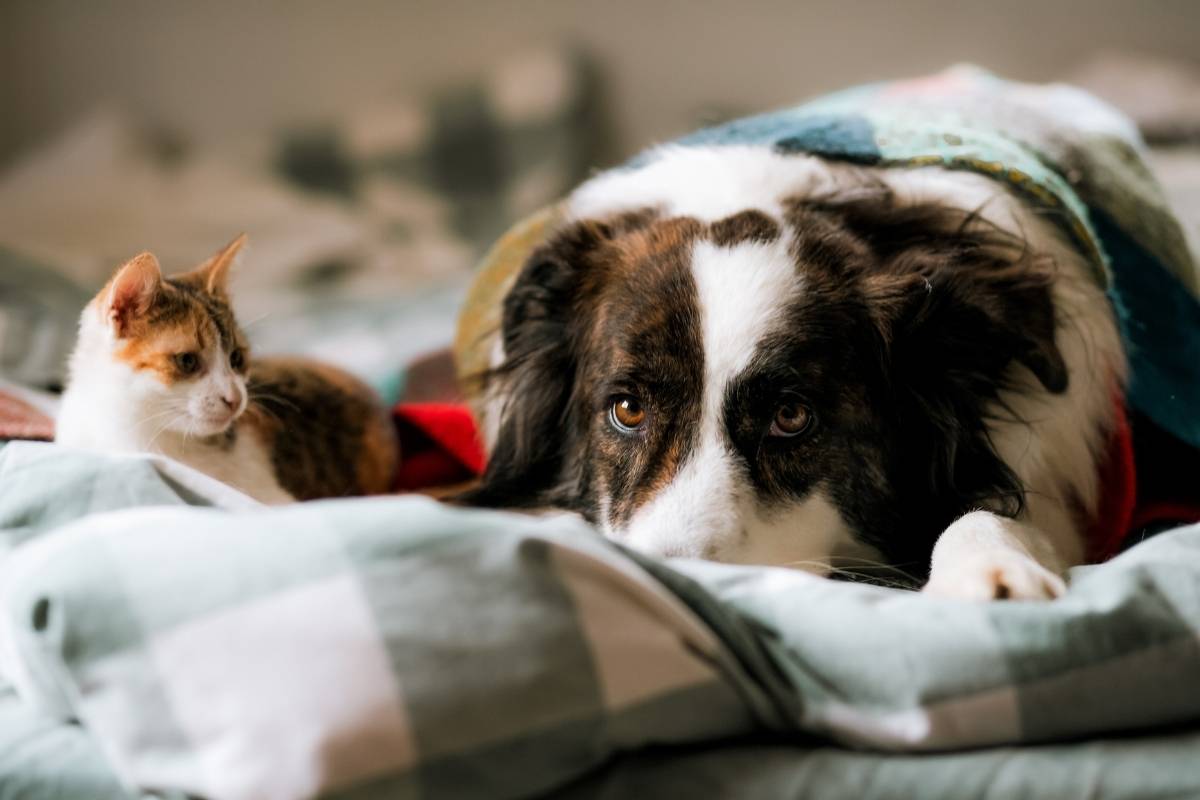
Preparing your pet for surgery involves more than just marking the calendar—proper pre-surgical fasting can literally mean the difference between a safe procedure and life-threatening complications. Yet many pet owners remain confused about fasting guidelines, wondering exactly when to remove food and water before their furry friend goes under anesthesia.
Understanding pre-surgical fasting requirements helps ensure your pet’s safety during anesthesia and reduces risks of serious complications like aspiration pneumonia. While the anxiety of surgery is already stressful enough, following proper fasting protocols gives your pet the best chance for a smooth procedure and quick recovery.
Why Pre-Surgical Fasting Is Critical
The Danger of Aspiration Pneumonia
When pets undergo anesthesia, their normal reflexes temporarily disappear, including the crucial gag reflex that prevents food from entering the lungs. If your pet has food in their stomach during surgery, they risk vomiting and inhaling stomach contents into their lungs.
Aspiration pneumonia is a severe, potentially fatal complication that occurs when food particles or stomach acid enter the respiratory system. This condition requires intensive treatment and can significantly delay recovery or worse.
How Anesthesia Affects the Digestive System
Anesthesia slows or stops normal digestive processes, meaning any food in the stomach remains there throughout surgery. The drugs also relax the esophageal sphincter, making reflux more likely during procedures.
Even small amounts of food can cause problems. The combination of relaxed protective reflexes and potential nausea from anesthetic drugs creates perfect conditions for dangerous complications.
Standard Fasting Guidelines for Dogs
Adult Dogs: The 12-Hour Rule
Most veterinarians recommend fasting adult dogs for 12 hours before surgery. This typically means removing food after dinner the night before a morning procedure, making compliance relatively simple for owners.
Water usually remains available until 2-3 hours before surgery, though some veterinarians prefer removing it the night before. Always follow your specific veterinarian’s instructions, as protocols may vary based on your dog’s health status.
Puppy Fasting Considerations
Puppies under four months require modified fasting protocols due to their rapid metabolism and risk of hypoglycemia. Most veterinarians recommend only 3-4 hours of fasting for very young puppies.
Small breed puppies need extra attention, as they’re particularly susceptible to low blood sugar. Your veterinarian might recommend a small meal 3-4 hours before surgery rather than overnight fasting.
Fasting Requirements for Cats
Standard Cat Fasting Times
Cats typically fast for 8-12 hours before surgery, with most veterinarians recommending the full 12 hours for adult cats. Remove food by midnight for morning surgeries, ensuring complete stomach emptying.
Water restrictions for cats mirror dog guidelines—available until 2-3 hours pre-surgery or removed overnight depending on veterinary preference.
Special Considerations for Diabetic Cats
Diabetic cats require careful fasting management to prevent dangerous blood sugar fluctuations. Your veterinarian will provide specific instructions about insulin administration and modified feeding schedules.
Never give insulin to a fasting diabetic cat without veterinary guidance. Most protocols involve reducing or skipping the morning insulin dose while monitoring blood glucose levels closely.
Emergency vs. Elective Surgery Differences
When Fasting Isn’t Possible
Emergency surgeries don’t allow for proper fasting periods, increasing surgical risks. Veterinarians must weigh the immediate surgical need against aspiration risks, often proceeding despite recent meals.
Special techniques like rapid-sequence intubation and positioning adjustments help minimize risks during emergency procedures. Your veterinary team takes extra precautions when operating on non-fasted patients.
Risk Management Strategies
For semi-urgent procedures, veterinarians might delay surgery for several hours if the pet has recently ate. This partial fasting period reduces risks while addressing medical needs promptly.
Anti-nausea medications given before anesthesia help prevent vomiting in emergency cases. These protocols protect pets when standard fasting isn’t achievable.
Age and Health Factors
Senior Pet Modifications
Older pets may need adjusted fasting protocols based on their health status. Pets with kidney disease, heart conditions, or other chronic illnesses might require shorter fasting periods or IV fluid support.
Senior pets often receive pre-surgical blood work to identify conditions affecting fasting requirements. This testing helps veterinarians customize protocols for maximum safety.
Medical Conditions Affecting Fasting
Certain conditions require modified fasting approaches. Pets with megaesophagus, inflammatory bowel disease, or liver disease need specialized pre-surgical preparation beyond standard fasting.
For pets requiring specialized surgical care with complex medical conditions, facilities offering Pet Surgery in Walnut Creek, CA, or your local area can provide tailored fasting protocols and advanced monitoring during procedures.
Pre-Surgery Preparation Tips
The Night Before Surgery
Create a calm environment to reduce pre-surgical anxiety. Maintain normal routines as much as possible while following fasting guidelines strictly.
Remove all food sources, including treats, table scraps, and other pets’ food. Ensure family members understand fasting requirements to prevent accidental feeding.
Morning of Surgery
Resist those pleading eyes—even tiny treats can necessitate surgery postponement. Keep your pet away from food areas to reduce begging and your temptation to give in.
Allow normal water access if permitted, but monitor intake. Excessive water consumption might indicate stress or medical issues worth mentioning to your veterinarian.
Common Fasting Mistakes to Avoid
Hidden Food Sources
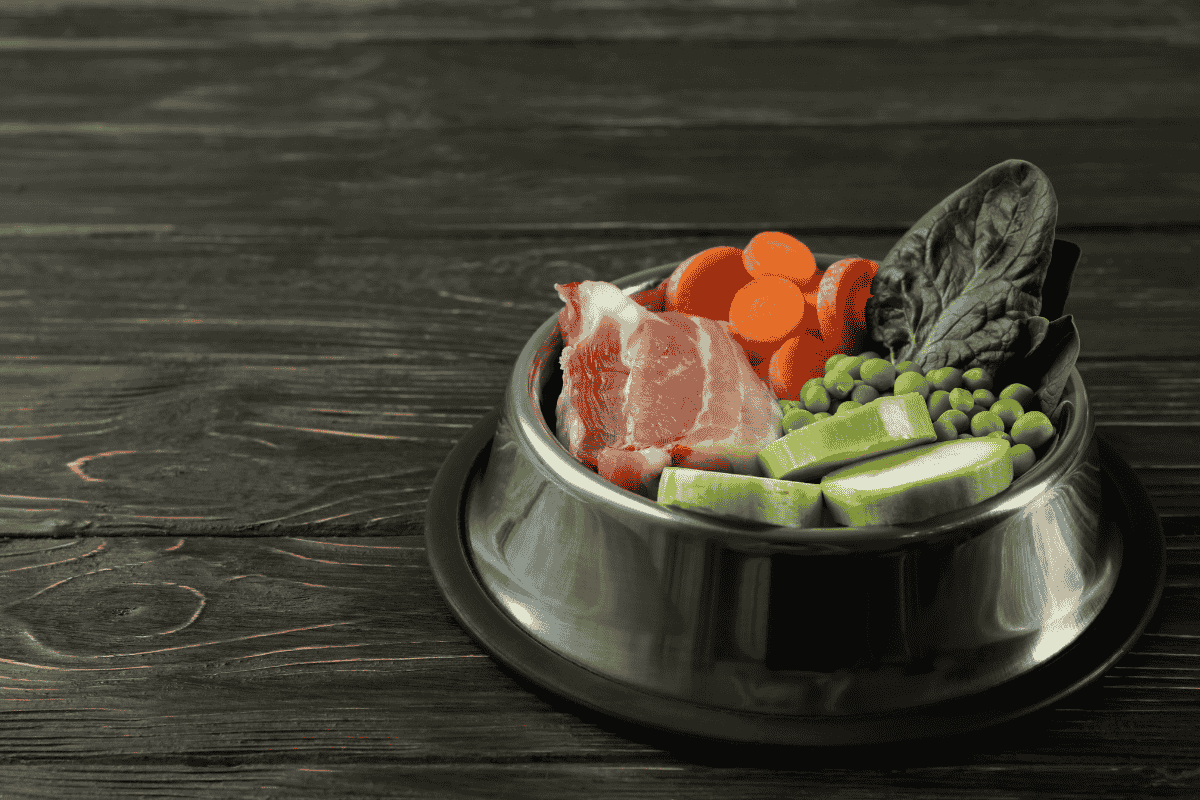
Pet owners often forget about non-obvious food sources. Flavored medications, vitamin supplements, and even some toys contain calories that break fasting requirements.
Outdoor cats might hunt or find food despite your efforts. Consider keeping them indoors the night before surgery to ensure complete fasting compliance.
Miscommunication Issues
Ensure all household members know about surgery and fasting requirements. One family member’s kindness in offering breakfast can result in surgical delays and additional costs.
Write fasting instructions prominently and remove food bowls as visual reminders. Clear communication prevents well-meaning mistakes that compromise surgical safety.
Post-Surgery Feeding Guidelines
Gradual Food Reintroduction
After surgery, most pets can eat small meals within a few hours of returning home. Start with quarter-portions of regular food, gradually increasing if no vomiting occurs.
Some pets experience post-anesthetic nausea, refusing food initially. This is normal for 24 hours, but contact your veterinarian if appetite doesn’t return by the second day.
Monitoring Recovery
Watch for vomiting, excessive drooling, or continued food refusal. These signs might indicate complications requiring veterinary attention.
Provide fresh water immediately, but monitor intake. Some pets drink excessively post-surgery, which can trigger vomiting.
Frequently Asked Questions:
Q1: What happens if my pet accidentally eats before surgery?
Ans: Contact your veterinarian immediately—they’ll likely postpone surgery to ensure safety. Never hide accidental feeding, as proceeding could endanger your pet’s life during anesthesia.
Q2: Can my pet have ice cubes instead of water before surgery?
Ans: Generally, no—ice cubes count as water intake and should follow the same restrictions. Some veterinarians allow ice chips until closer to surgery time, but always confirm first.
Q3: Should I fast my pet longer than recommended for extra safety?
Ans: No, excessive fasting can cause problems like dehydration and hypoglycemia, especially in small or young pets. Follow your veterinarian’s specific timeline exactly for optimal safety.
Q4: Do medications need to be stopped before surgery?
Ans: Some medications should continue, while others need stopping before surgery. Your veterinarian will provide specific instructions about each medication your pet takes regularly.
Q5: Why can some pets have water until morning while others can’t?
Ans: Veterinarians adjust protocols based on procedure type, pet health, and anesthetic protocols. Longer surgeries or pets with certain conditions might need earlier water restriction.
Q6: Is fasting required for dental cleanings under anesthesia?
Ans: Yes, dental cleanings require the same fasting protocols as any procedure involving general anesthesia. The risks of aspiration remain identical regardless of procedure type.