When you choose to have your male dog neutered, booking an appointment with trusted vets for high-quality spay and neuter surgeries is a wise move. But the surgery is just the first step. The recovery period matters just as much for a smooth and safe healing process. Drawing on over 15 years of SEO-driven pet-care writing and optimisation expertise, this guide gives you authentic, high-value, non-plagiarised advice tailored to male dog neutering recovery.
Why Neutering Your Male Dog Matters
Neutering (removal of a male dog’s testicles) helps prevent unwanted litters, reduces risks of testicular cancer or prostate disease, and often moderates certain hormone-driven behaviours. Recovery care, especially from clinics specialising in spay and neuter surgeries, is key to safeguarding your dog’s long-term health.
Recovery Timeline for Male Dogs
Understanding what to expect day by day helps you plan rest, monitor progress, and recognise warning signs.
Day 0–2: Immediate post-op
- Your dog will likely be groggy from anaesthesia, moving slowly, and with reduced appetite.
- Keep them in a quiet, safe space, monitor for any immediate bleeding or swelling.
Days 3–5: Gaining alertness
- Energy begins to return. Your dog may seem “almost normal”, but internal healing is still underway.
- Activity must still be very limited—no running, jumping, or rough play.
Days 6–10: Incision healing in progress
- The surgical site is usually closing up, though full internal recovery hasn’t finished.
- You may gradually allow short, calm leash walks (bathroom breaks only) if your vet approves.
Days 10–14: Near normal-activity window
- For many male dogs, the incision is healed or very nearly so by now. Full vet clearance may come around day 14.
- If there are no complications, more freedom returns—but still monitor behaviour and incision.
Beyond two weeks: Full recovery
- While your dog may act normally, behaviour driven by hormones (like marking or roaming) may take 2–4 weeks to fade.
- If you’ve chosen specialised spay and neuter surgeries, your vet will discuss when a full resume of activity is safe.
Aftercare Essentials
To support a smooth recovery, follow these critical aftercare steps:
1. Restrict physical activity
Even though your dog might want to sprint, avoid running, jumping, climbing stairs or rough play for at least 10–14 days.
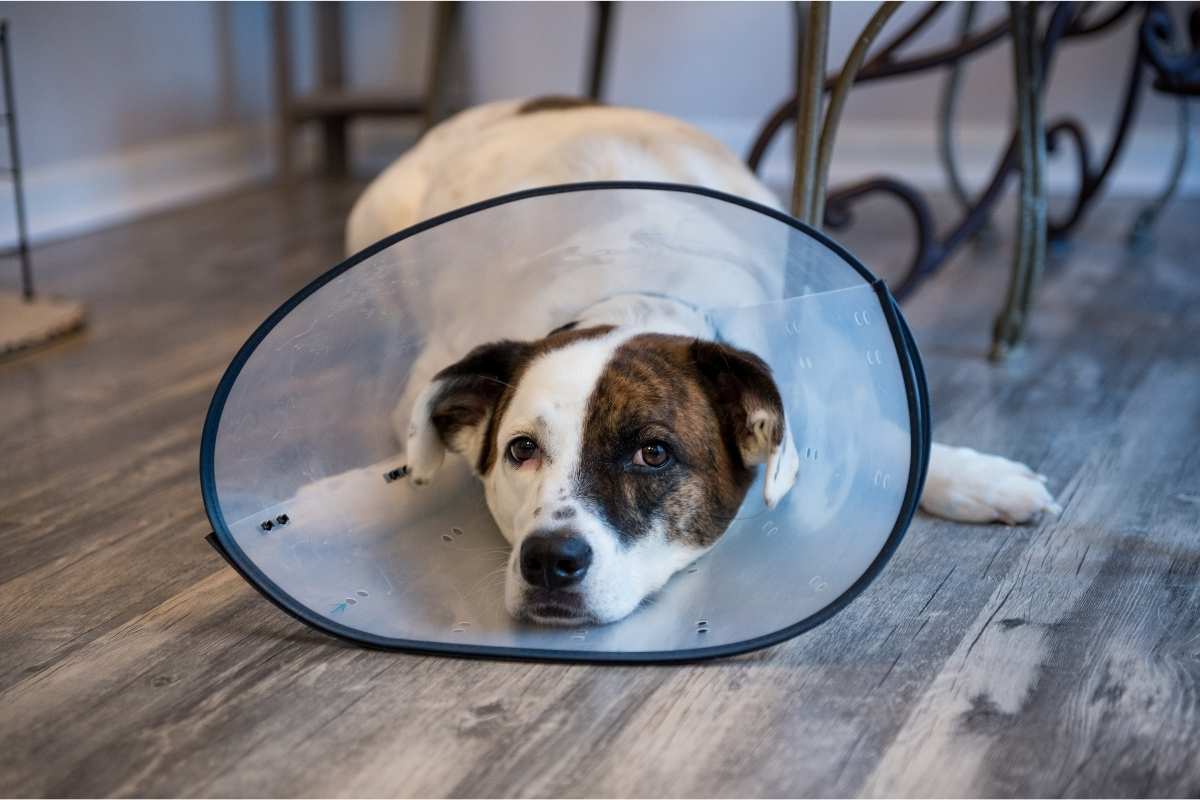
2. Use the cone (E-collar) or protective garment
Prevent your dog from licking or chewing the incision site. Even if it looks healed, licking can introduce infection or reopen tissue. Most sources recommend 10–14 days of protective collar use.
3. Monitor the incision site
Check twice daily for redness, swelling, discharge, open edges or foul smell. A little clear or slightly blood-tinged fluid may be normal in the first 24-72h, but persistent or worsening signs merit a vet check.
4. Ensure proper rest and space
Provide a calm environment, a soft bed, limit other pets’ interactions, and keep your dog comfortable so healing isn’t disrupted.
5. Follow medication & feeding instructions
Your vet will likely prescribe pain relief or anti-inflammatory meds; administer exactly as directed. Offer small amounts of food the night of surgery and gradually return to a normal diet as appetite improves.
6. Prevent interactions with unspayed females
Even though your male may not be fertile instantly, it’s safer to avoid them for about 30 days after neuter (depending on vet advice) to avoid behavioural stress.
Warning Signs After Neutering
Even though the procedure is routine, it’s essential to know when something might be wrong. Contact your vet immediately if you notice:
- Excessive swelling, redness or heat around the incision.
- Pus-like or foul-smelling discharge.
- Bleeding that does not stop or increases.
- Fever, shivering, or persistent lethargy beyond 48 hours.
- Loss of appetite for more than 24–48 hours.
- Difficulty urinating or defecating, or signs of pain when doing so.
- Dog persistently licking or chewing the site despite cone protection.
If you see any of these, don’t wait—early intervention prevents more serious complications.
When you look for spay and neuter surgeries in Walnut Creek, selecting experienced and well-equipped local clinics ensures your dog receives personalised care. The best vets will guide you through pre-surgical prep, post-operative support, and personalised aftercare visits. They’re familiar with region-specific factors (climate, local activity levels, breed habits) and can tailor advice accordingly. A local clinic also means easy follow-up if you spot any warning signs.
Neutering your male dog is a responsible, beneficial decision. But the success of that decision hinges not only on the surgical skill of the vets in Walnut Creek you chose, but also on your commitment to aftercare. By understanding the timeline, enforcing proper rest, using cone protection, monitoring the incision site, and knowing when to call your vet, you’re giving your dog the best shot at a comfortable, safe recovery.
With good care, your dog will be back to his playful self, but healthier and calmer in the longer term.
Frequently Asked Questions
Q1. How long do male dogs take to recover from neutering?
Ans.Most male dogs require about 10–14 days for the incision and basic healing to complete. They may feel “normal” in 3–7 days, but full safety return to activity comes after the two-week mark.
Q2. Can I take the cone off my dog after 7 days?
Ans. In many cases, 7 days is too early to remove the cone unless your vet approves. Standard care recommends 10-14 days of preventing licking/chewing to ensure the internal tissues are healing.
Q3. How long should my pet rest after neutering?
Ans. Your dog should rest (with very restricted activity) for at least 7–10 days, ideally 10–14 days of leash-only short bathroom breaks. Full normal activity only when vet clearance is given.
Q4. What are the warning signs after dog neutering I should watch for?
Ans. See the “Warning Signs” section above: excessive swelling, discharge, bad smell, bleeding, prolonged lethargy/appetite loss, licking issues. These warrant immediate veterinary contact.
Q5. When can I let my dog play with other dogs again?
Ans. Typically, after your vet formally approves it—often around the 10–14 day mark if the incision is fully healed and no complications are present. Until then, avoid dog-park visits or rough play.
Q6. Will neutering affect my dog’s behaviour immediately?
Ans. Hormonal-driven behaviours (marking, roaming, aggression) often fade over 2–4 weeks post-neuter, but the dog’s primary personality remains unchanged. Neutering supports behaviour change, but training and environment still matter.