Read Our Pharmacy Prescription Policy Update!


Golden Years, Tender Care: Understanding Common Health Problems in Senior Dogs
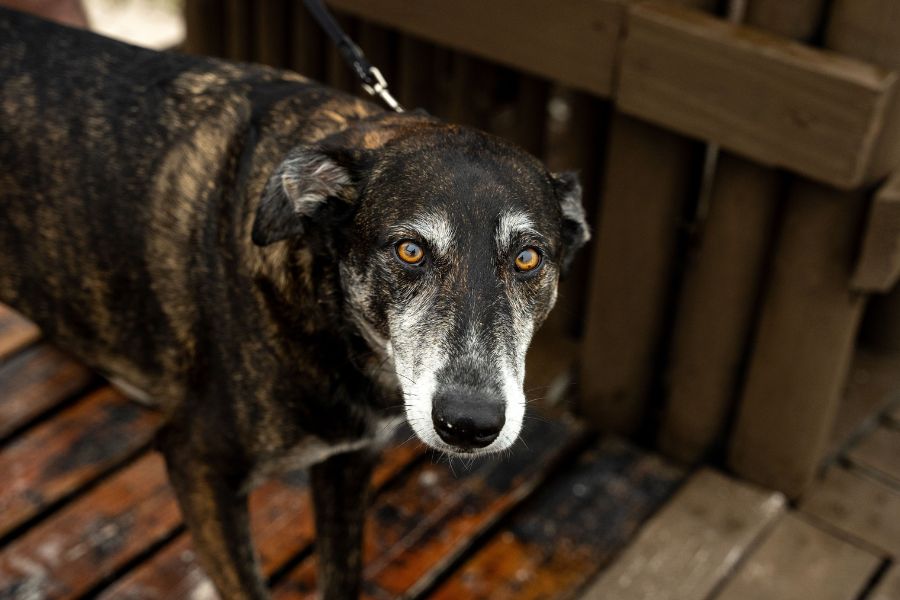
As dogs grow older, you’ll notice that their bodies and behaviors start to shift.
Just like humans, senior dogs slow down, develop age-related ailments, and require more attention to their health. Typically, dogs are considered seniors by the age of 7 or 8, depending on their breed and size. Large breeds may show signs of aging sooner than smaller ones.
While it’s heartwarming to watch your furry friend grow older, it’s also crucial to understand the health issues that can come with age, so you can help them stay comfortable, happy, and healthy during their golden years.
1. Arthritis and Joint Pain: The Slow Creep of Discomfort
One of the most common issues in aging dogs is arthritis. This degenerative joint condition can lead to chronic pain, stiffness, and difficulty with movement. If your dog hesitates to climb stairs, struggles to stand after lying down, or avoids long walks, arthritis might be the culprit.
What to Do:
Look for orthopedic beds, consider low-impact exercise like swimming, and talk to your vet about supplements or anti-inflammatory medications. Timely diagnosis at an animal hospital in Walnut Creek or nearby can greatly improve their quality of life.
2. Vision and Hearing Loss: The Fading of Senses
Senior dogs often experience a decline in their eyesight and hearing. You may notice cloudy eyes (a sign of cataracts), disorientation, or a lack of response to voice commands.
Helpful Tip:
Keep furniture in the same place, use touch or scent-based cues, and avoid startling them. A calm, consistent environment helps them feel safe.
3. Dental Disease: More Than Just Bad Breath
Many pet owners overlook dental care, but senior dogs are particularly prone to periodontal disease. If it’s not taken care of, it could result in tooth loss, infections, and even issues with your heart or kidneys.
Watch For:
Bad breath, drooling, inflamed gums, or difficulty eating.
What You Can Do:
Schedule regular dental cleanings and brush their teeth at home using dog-safe toothpaste. Dental checks should be part of every senior wellness exam.
4. Cognitive Dysfunction Syndrome: The Canine Version of Dementia
Has your dog started wandering, getting stuck in corners, or barking at nothing? These may be signs of Canine Cognitive Dysfunction Syndrome (CDS)—similar to dementia in humans.
Pro Tip:
Enrich their daily routine with puzzle toys, new smells, and gentle training. Antioxidant-rich diets and vet-recommended supplements can also help slow cognitive decline.
5. Kidney and Liver Disease: The Silent Struggles
Kidney and liver functions often weaken with age, and symptoms may not appear until the disease has progressed. Keep an eye out for signs like increased thirst, weight loss, vomiting, or any changes in urination.
Veterinary Monitoring is Key:
Regular bloodwork and urinalysis can catch early signs. A tailored diet and medication can help manage these conditions effectively.
6. Cancer: A Growing Concern in Senior Pets
Cancer becomes more common in older dogs. Lumps, bumps, unusual bleeding, lethargy, or sudden weight loss should never be ignored.
Early Detection Saves Lives:
If anything unusual shows up, your vet may recommend biopsies, imaging, or other diagnostics. Catching it early can make all the difference in treatment options.
7. Weight Gain or Loss: Both Can Be Alarming
Senior dogs may either gain weight due to inactivity or lose it due to underlying illness. Maintaining an ideal weight is crucial to avoiding exacerbating other health issues.
What Helps:
Feed them a diet suited for seniors—lower in calories but rich in nutrients. Regular, gentle exercise also keeps their body in balance.
Keeping Your Senior Dog Happy: Routine is Your Best Friend
Transitioning to senior care isn’t just about treating diseases—it’s about preventive care, regular check-ups, and making simple lifestyle changes. Prioritize routine wellness visits, feed high-quality senior dog food, and adjust exercise routines according to their comfort level.
Your commitment and attention can greatly enhance your dog’s quality of life as they age. Whether it’s an annual health screening or a sudden concern, your trusted veterinary partner, like vets in Walnut Creek, can provide the guidance and support your senior pet deserves.
Your senior dog has given you years of loyalty, fun, and love—it’s only fair to return the favor with thoughtful care. With a proactive mindset and support from your vet, these years can be some of the most meaningful for both of you.
Frequently Asked Questions (FAQs)
1. How do I know if my dog is a senior?
A: Most dogs are considered seniors around 7 years old, though larger breeds may age faster. Your vet can help determine based on breed, size, and overall health.
2. How often should a senior dog see the vet?
A: Twice a year is recommended for senior dogs. These visits help catch age-related issues early and ensure your dog stays healthy longer.
3. Can diet help my senior dog live longer?
A: Yes. A well-balanced, senior-specific diet supports joint health, digestion, and energy levels, and may even slow cognitive decline.
4. Is it normal for older dogs to sleep more?
A: Yes, senior dogs tend to rest more. However, excessive sleeping or lethargy may indicate an underlying issue and should be discussed with your vet.
5. What are the signs that my senior dog is in pain?
A: Common signs include limping, whining, loss of appetite, licking certain areas, or avoiding physical activity. Always consult your vet if you suspect discomfort.