Read Our Pharmacy Prescription Policy Update!


Why Does My Cat Bite Me? What It Really Means About Your Bond
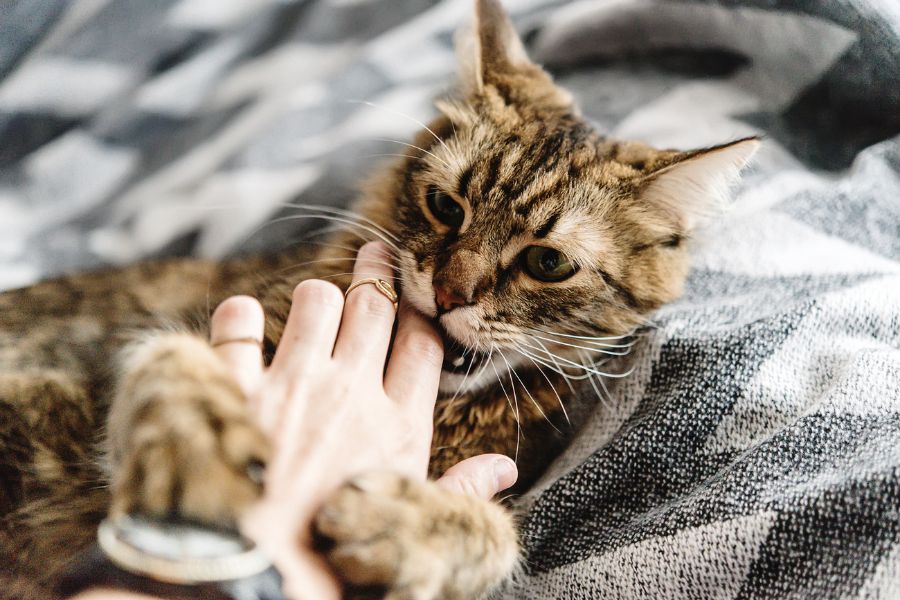
If you’ve ever wondered, “Why does my cat bite me?”, you’re not alone. Many pet owners experience unexpected nips and don’t know whether it’s playful, aggressive, or something more serious. Understanding why cats bite their owners is essential for building a stronger, safer bond. In this guide, we’ll break down common causes of cat biting behavior, what your cat is trying to communicate, and how you can respond appropriately to improve your relationship.
Why Do Cats Bite Their Owners?
Cats bite their owners for a variety of reasons, and not all bites are aggressive. In fact, most biting behavior is a form of communication. Unlike dogs, cats are more subtle with their body language, so a bite may be their way of expressing discomfort, excitement, or even affection.
Here are the most common reasons behind cat biting behavior:
- Overstimulation during petting
- Play aggression
- Fear or anxiety
- Redirected frustration
- Territorial instincts
- Medical issues or pain
Understanding these triggers is the first step toward interpreting your cat’s behavior correctly.
Love Bites vs. Aggressive Biting
What Are “Love Bites”?
Sometimes, cats gently nibble their owners as a sign of affection. These “love bites” are usually:
- Soft and controlled
- Not meant to break the skin
- Accompanied by purring or a relaxed body posture
This type of behavior is often seen in bonded cats who are comfortable with their humans.
When Biting Becomes Aggressive
Aggressive biting, on the other hand, is more intense and often includes:
- Flattened ears
- Dilated pupils
- Tail flicking or puffing
- Growling or hissing
If your cat shows these signs, it’s important to stop interaction immediately to prevent escalation.
Understanding Cat Biting During Play
Play aggression is one of the most common reasons cats bite their owners. Kittens especially learn hunting skills through play, and if they weren’t properly socialized, they may see your hands as prey.
Signs of Play Aggression:
- Pouncing on hands or feet
- Biting during interactive play
- Scratching along with biting
How to Manage It:
- Use interactive toys like feather wands instead of your hands
- Avoid rough play that encourages biting
- Schedule regular play sessions to burn off energy
Teaching your cat appropriate play behavior early can significantly reduce biting incidents.
Petting-Induced Aggression Explained
Have you ever been petting your cat, only to be suddenly bitten? This is known as petting-induced aggression, and it’s more common than you think.
Cats have a threshold for physical contact. Once they’ve had enough, they may bite as a warning.
Warning Signs to Watch For:
- Tail twitching
- Skin rippling along the back
- Sudden body stiffness
- Ears turning sideways or backward
When you notice these signals, it’s best to stop petting before the bite happens.
Stress, Fear, and Anxiety-Related Biting
Cats are sensitive animals, and changes in their environment can trigger stress-related biting.
Common Stress Triggers:
- Moving to a new home
- Loud noises or visitors
- Introduction of new pets
- Changes in routine
Where households can be busy and dynamic, it’s important to provide your cat with a calm, safe space.
How to Help:
- Create a quiet retreat area
- Maintain a consistent routine
- Use calming pheromone diffusers if needed
Reducing stress can significantly improve your cat’s behavior and overall well-being.
Medical Reasons Behind Cat Biting Behavior
Sometimes, biting isn’t behavioral—it’s medical. Cats in pain or discomfort may bite to protect themselves.
Possible Health Issues:
- Dental disease
- Arthritis
- Skin conditions
- Internal pain or illness
If you are a cat parent in Walnut Creek and your cat suddenly starts biting without an obvious trigger, it’s important to seek professional evaluation. A visit to Animal Care Hospital of Walnut Creek can help rule out underlying health concerns and ensure your cat receives proper care.
How to Stop Your Cat from Biting
Addressing cat biting behavior requires patience and consistency. Here are practical steps you can take:
1. Learn Your Cat’s Body Language
Understanding early warning signs helps you avoid situations that lead to bites.
2. Avoid Using Hands as Toys
Always use toys to engage your cat during playtime.
3. Reward Good Behavior
Positive reinforcement—like treats or praise—encourages gentle interactions.
4. Set Boundaries
If your cat bites, calmly withdraw attention. Avoid punishment, as it can increase fear and aggression.
5. Provide Enrichment
Bored cats are more likely to develop behavioral issues. Keep them mentally stimulated with toys, climbing trees, and puzzles.
When Should You Be Concerned?
Occasional biting is normal, but certain patterns may indicate a deeper issue.
Red Flags Include:
- Frequent or unprovoked biting
- Bites that break the skin
- Sudden change in behavior
- Signs of illness (lethargy, loss of appetite)
In these cases, a veterinary check-up is essential to identify the root cause and prevent further problems.
Building a Stronger Bond With Your Cat
Understanding why cats bite their owners ultimately helps you build a healthier relationship. Cats communicate differently from humans, and once you learn their language, interactions become more predictable and enjoyable.
Tips for Strengthening Your Bond:
- Respect your cat’s boundaries
- Engage in regular, structured playtime
- Provide a safe and enriching environment
- Schedule routine wellness visits
A well-understood cat is a happy cat—and a happier companion for you.
Conclusion:
Cat biting behavior can feel confusing, but it’s often your cat’s way of communicating rather than being “bad.” By understanding the reasons behind why cats bite their owners—whether it’s play, overstimulation, or stress—you can respond appropriately and strengthen your bond. If biting becomes frequent or severe, professional guidance is key. For expert support and personalized care, schedule a visit with Animal Care Hospital of Walnut Creek to ensure your cat stays healthy, happy, and well-behaved.
FAQs:
Q1: Why does my cat bite me gently during petting?
Ans: Gentle bites, often called love bites, usually show affection or signal your cat has had enough interaction and wants you to stop.
Q2: Is it normal for cats to bite their owners while playing?
Ans: Yes, especially in kittens. It’s part of hunting behavior, but it should be redirected to toys to prevent injury.
Q3: How can I tell if my cat is about to bite me?
Ans: Watch for warning signs like tail flicking, ear flattening, and body stiffness—these indicate your cat is becoming overstimulated or irritated.
Q4: Should I punish my cat for biting?
Ans: No, punishment can increase fear and aggression. Instead, use positive reinforcement and redirect behavior with toys.
Q5: When should I take my cat to the vet for biting behavior?
Ans: If biting is sudden, frequent, or severe, or accompanied by other symptoms, a vet visit is recommended to rule out medical issues.